



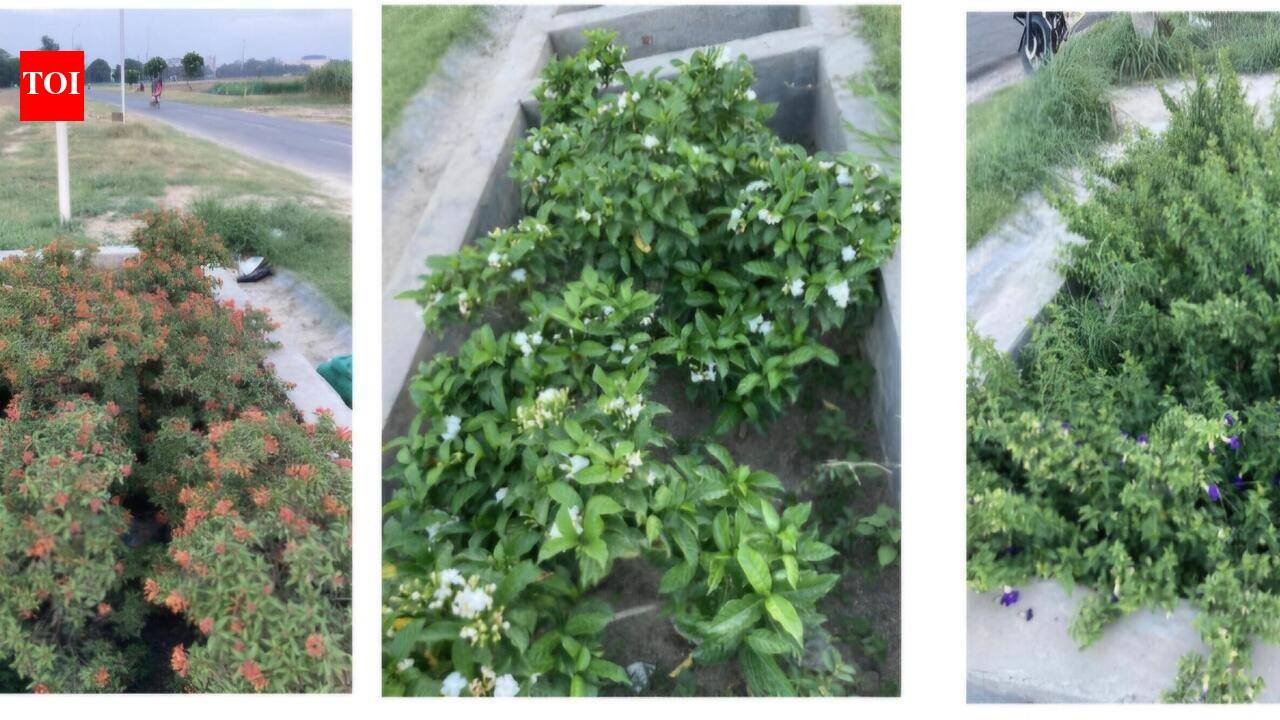
Ludhiana: Scientists in Punjab Agricultural University have developed a sustainable drainage system capable of slashing peak urban floodwaters by up to 92%, offering a potential blueprint for flood-prone cities globally.With the monsoon season weeks away, researchers at the PAU have unveiled “bioretention cells” — engineered roadside gardens designed to absorb, filter, and slowly release stormwater runoff into the ground.Following a five-year campus trial, the PAU is partnering with the Ludhiana municipal corporation to launch pilot projects in the city’s flood-prone Rajguru Nagar and Dholewal areas.“These models are used in sustainable Western urban design, but they had not been tested in India,” said Dr Samanpreet Kaur, principal scientist at PAU’s soil and water engineering department.The engineered cells measure 3m long, 1.5m wide, and 1.7m deep, holding up to 4,500 litres of water. Filled with layered gravel, filter media, and local climate-resilient plants like Hamelia patens, the structures handle rainfall intensities up to 28mm an hour.Data from peak downpours showed the cells choked back inflows from nearly 2 litres in each second down to just 0.15 litres each second — an 86 to 92% drop in peak flow that prevents city sewers from overwhelming. Plant roots also maintain soil percolation to prevent clogging.Beyond flood mitigation, the system tackles Punjab’s critical water crisis by filtering and redirecting runoff to replenish depleting underground aquifers.While the city-wide rollout will require larger installations, the PAU has standardised the design playbook. Scientists estimate the cells require just 3 to 8% of a target urban footprint to be effective along highways, pavements, and parking lots.
Attachment


