



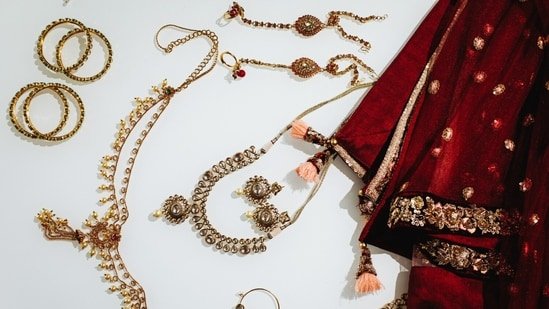
Gold jewellery is treated as an heirloom. So, it is only natural for buyers to closely examine every detail before making a purchase. Several doubts may also arise in their minds, especially if gold prices continue to rise; value is the first thing they consider. However, many shoppers still assume that the value of gold jewellery is estimated only by its weight. In reality, there is much more to this format of assessment.
ALSO READ: 8 things every first time diamond buyer should know: From budget to natural vs lab-grown options


To help buyers make more informed decisions, HT Lifestyle spoke to Amit Modak, CEO, Reva Diamonds from the house of PN Gadgil & Sons, who shared essential insights on evaluating gold jewellery beyond its weight.
He provided a simple example to illustrate how weight is not everything when you are buying jewellery, “A 25-gram traditional necklace may be worn only during weddings, whereas a 10-gram contemporary pendant can be worn several times a week, offering greater practical value and becoming an integral part of everyday style.”
This means nowadays shoppers are also evaluating it on the basis of craftsmanship, versatility and wearability. The expert also confirmed that consumers’ interests are shifting
Amit shared a brief guide that covers the essentials, besides weight, that make your gold jewellery valuable:
1. Craftsmanship
- A significant portion of a jewellery piece’s value comes from the skill involved in creating it.
- Techniques such as hand engraving, filigree work, meenakari, temple art detailing and intricate pattern making require specialised expertise and hours of labour.
- Two pieces with the same gold weight can differ significantly in value because of the craftsmanship involved.
2. Smart design enhances everyday value
- Jewellery pieces that complement multiple looks and occasions have more value.
- Minimal chains, stackable rings and contemporary pendants offer greater styling flexibility than heavily occasion-specific designs, making them worthwhile additions to any jewellery collection.
3. Finishing quality
- The finish of a jewellery piece says a lot about its quality.
- Buyers should inspect polishing, symmetry, clasp quality, edge smoothness and detailing.
- Superior finishing not only enhances appearance but also improves comfort and durability over the years of use.
4. Comfort
- Well-balanced designs with proper weight distribution, secure fittings and comfortable construction naturally become part of everyday wardrobes and are preferred.
- Bulky pieces do not have as much everyday value.
5. Versatility
- One of the biggest shifts in the jewellery industry is the growing preference for pieces that work across multiple occasions.
- Consumers increasingly seek jewellery that transitions effortlessly from office meetings to festive celebrations, maximising both style and utility from a single purchase.
6. Construction quality determines longevity
- Beyond appearance, jewellery should be structurally sound.
- Secure clasps, strong links, sturdy settings and balanced construction reduce the need for repairs and help preserve the beauty of the piece for years.
Apart from these factors, the expert also emphasised that hallmarking is crucial and indispensable when buying gold jewellery. However, purity should be evaluated alongside craftsmanship, design, finishing and durability to understand the complete value of a piece. He also advised buyers not to evaluate jewellery solely based on resale value, but to choose pieces that fit easily into their lifestyle.
“As consumer preferences evolve, the definition of value in gold jewellery is expanding. Lightweight, versatile and thoughtfully crafted designs are gaining popularity because they combine elegance with everyday functionality,” Amit added. Weight, while it is essential, cannot be the only parameter.


