






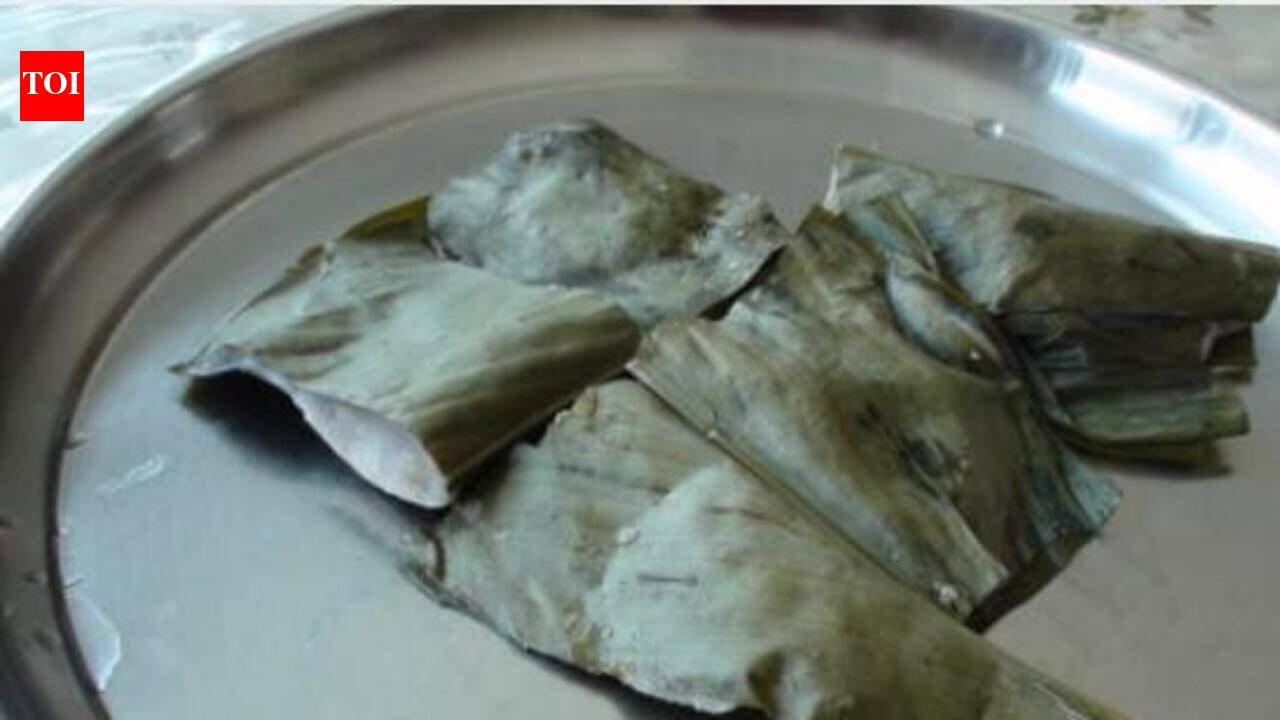
Panaji: From the invitation and performances to textiles and food, Goa’s presence at this year’s Independence Day celebrations has been conceived as a vibrant portrait of the state. Samai and Ghode Modni dances, traditional instruments, Kunbi textiles and the festive delicacy patoleo will feature at the Independence Day reception at Rashtrapati Bhavan on Aug 15.The Samai dance, known for the dexterity of its performers, features dancers balancing traditional brass lamps on their heads as they move to folk music. In Ghode Modni, dancers carry horse effigies and perform choreographed movements with swords, accompanied by percussion.Goa’s folk-music tradition will be represented through instruments including the Ghumot, Shamel and Kasale, while Kunbi textiles will feature on the table runners. The state’s culinary heritage will be represented by patoleo, a sweet preparation made with rice and coconut and steamed in turmeric leaves.The azulejo tile tradition has also found prominence in the official Independence Day invitation, which describes azulejos as a “living symbol of Goan identity”. While the craft originated from European influences that reached Goa centuries ago, Goan artisans adapted the hand-painted tiles to depict traditional fishermen, rural landscapes, and local flora and fauna.The invitation also spotlights khazan lands, a saline ecosystem built around an intricate network of embankments and sluice gates that protect low-lying agricultural areas from flooding while supporting paddy cultivation, fishing and salt pans. The invitation describes the khazans as a nature-based coastal defence system.Together, the azulejos, khazan lands, dances, instruments, Kunbi textiles and patoleo reflect Goa’s intertwined cultural, social and environmental traditions.


