



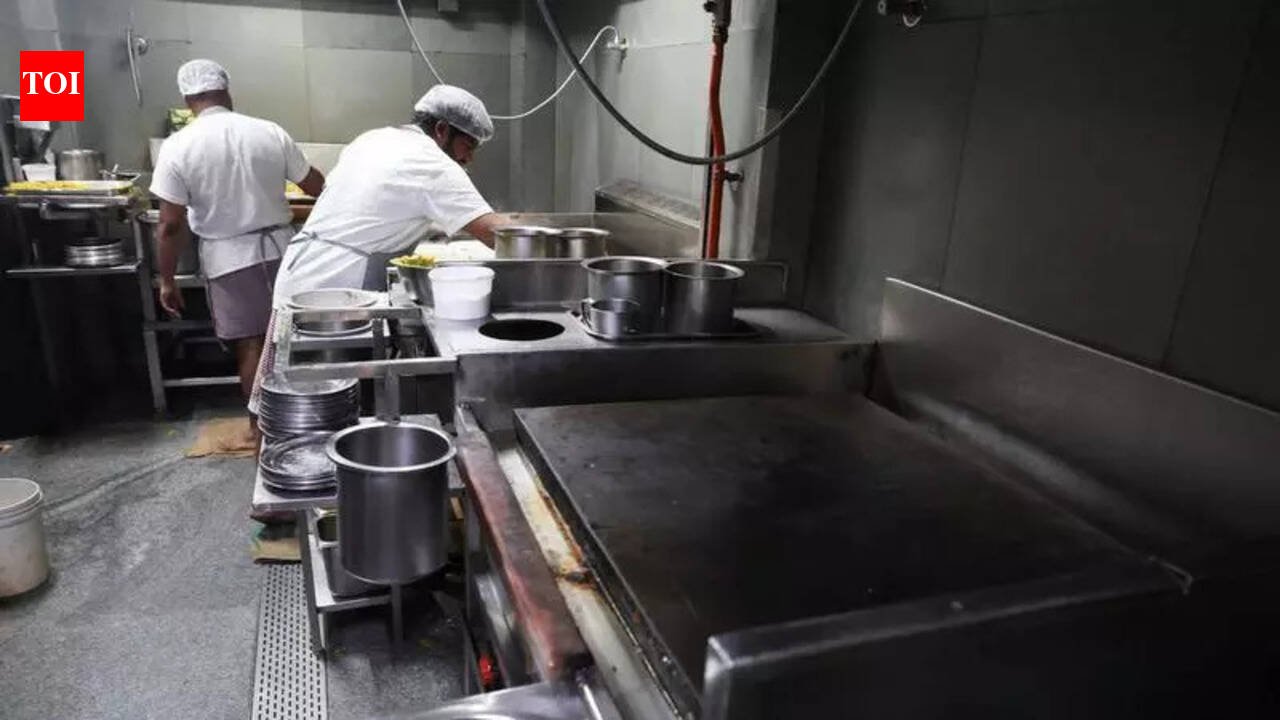
Bengaluru: The ongoing LPG shortage in the tech capital, reportedly triggered by speculation over the prolonged war in West Asia, is now hitting the city’s food plates and, one beloved dish is already feeling the heat: the humble poori.For the second consecutive day, several darshinis and restaurants across the city said they did not receive commercial LPG cylinders, while a few others got barely half of their usual supply. With kitchens running low on fuel, many eateries have begun trimming their menus, temporarily dropping items that require prolonged gas usage. Deep-fried favourites such as poori and vada are among the first casualties. Hoteliers say these items consume more gas because oil must be heated and kept at high temperatures for long periods. To stretch the limited supply and keep operations going, many restaurants are focusing instead on items like idli, dosa and meals that require comparatively less fuel. Arun Adiga of the Vidyarthi Bhavan in Basavanagudi said the shortage has forced them to drastically ration gas usage. “We haven’t received any gas since yesterday and are managing only with the stock we have. Out of our four dosa burners, we’ve switched off two. Poori has also been reduced because it needs more gas. If the supply doesn’t resume, we can manage only until Wednesday evening,” he said. The situation is similar in many other parts of the city. A darshini owner in East Bengaluru said the supply had completely dried up. “We are being asked to pay almost double the usual price for cylinders. I don’t have gas for the evening service. For now, I’ve cut several items and am serving only meals, idli and dosa,” he said. Even restaurants that serve non-vegetarian are contemplating reducing deep-fried items. Prices soar amid shortageAfter the tensions in the Middle East, the commercial LPG price was revised thrice in March, and according to users, the final price as on March 9, for the 19kg LPG commercial cylinder was Rs 1,900. However, a few restaurants told TOI that the dealers themselves increased the price after the shortage in the supply.Sandeep Jain, MD of Desi Masala food chain, said: “The price of a 19kg commercial LPG cylinder was around Rs 1,600 earlier and went up to about Rs 1,900 recently. But this morning we were told the price shot up to nearly Rs 3,400–Rs 3,500 per cylinder. For a restaurant chain like ours that uses around 50 cylinders a day, this means an additional cost of nearly Rs 80,000 to Rs 90,000 per day. It is almost impossible to sustain such a sudden jump. If this continues, restaurants will have no option but to increase prices for customers just to survive.”Another hotel in Marathahalli told TOI that they paid Rs 3,000 for a 19kg LPG cylinder. “Yesterday, our supply was hit, and by Monday night I ran out of gas, and then I tried buying it. I was forced to pay close to Rs 3,000 for one cylinder. I wish the govt intervenes at the earliest. There is no stocking of gas, else it will become a major problem.”Shakir Haq, MD of Empire Hotel, said: “Since this morning, we saw a clear disruption in the supply of commercial LPG cylinders, with fulfilment dropping to less than 50%. On Monday, we received supplies as orders were already placed earlier, but today the shortage is being felt across our outlets in Bengaluru and Mysuru. The uncertainty is the biggest challenge because restaurants cannot plan ahead without assured gas supply. If this continues, it could become an alarming situation similar to Covid times, as without LPG we cannot even cook food for our employees, let alone serve customers.”Inset – 1GAIL connections are the safest nowWhile the entire restaurant industry grapples with a commercial LPG shortage, hotels with GAIL pipeline connections are faring relatively better. According to GAIL, Bengaluru has around 4,000 commercial connections, mostly for hotels and restaurants.A GAIL official told TOI that the company has not received any government directive to restrict pipeline gas supply. “There is currently no disruption in gas supply from GAIL, and we will continue supplying all connections. Nearly 4 lakh residential connections are also receiving gas regularly,” the official added. **Quotes**Ananth Narayan, President of the National Restaurants Association of India, Bengaluru chapterThe situation has seen little improvement since Monday. Stocks at many restaurants are nearly exhausted, and distributors report supplies are running dry. Several establishments have already started shutting down or trimming menus to conserve their remaining LPG. Most restaurants keep backup stock for just 1–3 days due to space and safety constraints, so any prolonged disruption can significantly affect operationsArun Kumar DT, President, PG Owners Welfare Association (Regd), BengaluruAround 2,800 PGs fall under this association. Currently, we have stock for about 3–4 days, but we’re being cautious with gas usage. We’re exploring alternative options, as we cannot risk running out of food for residents, and we want to avoid hiking prices. For now, the measure in place is menu adjustments: items that require more gas to cook, such as dosa and poori, are temporarily replaced with dishes that need lessPC Rao, Honorary president, Bangalore Hotels AssociationWe held a video conference with one of the major LPG distributors for our hotels, and they could not confirm when commercial supplies will resume. Stock is currently very low. A few hotels have shut down, while the majority have significantly reduced their menu offerings to keep operations running.


