


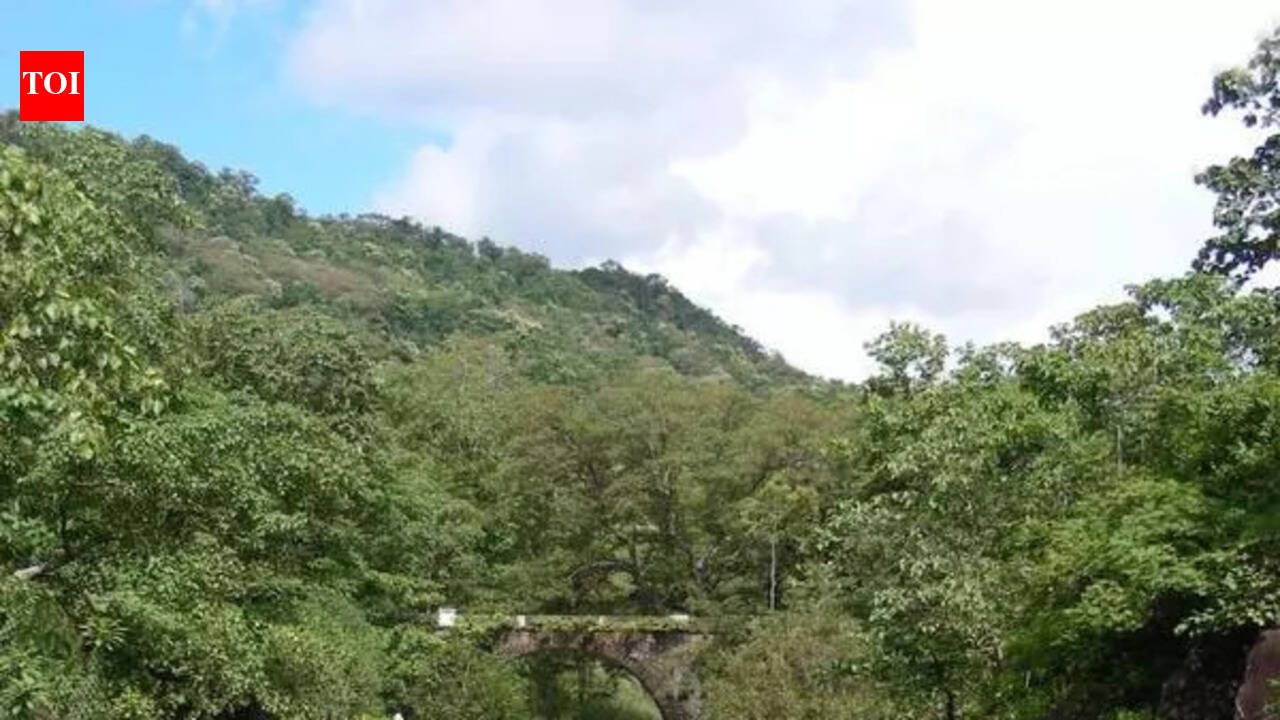
Over the years, the reserve evolved into a thriving ecosystem nourished by rivers such as the Sipna, Gadga, Khandu, Khapra and Tapi, sustaining wildlife as well as forest-dependent communities. The landscape is closely intertwined with the lives of indigenous Korku tribes, whose traditional, sustainable lifestyle mirrors the balance and purity of the forest environment.Conservator of forests and field director M Adarsh Reddy said Melghat’s rising tiger numbers clearly reflect the strength of its conservation framework. “As per the 2024 estimates, we have about 72 tigers and 33 cubs. Our conservation efforts are showing results on the ground,” he said.Reddy pointed to round-the-clock protection camps, over 100 frontline staff, intensive monitoring and a stronger focus on grassland development as key contributors. Human-wildlife conflict incidents have been minimal, he added.While conservation remained robust, Reddy acknowledged that tourism growth was slower compared to reserves like Tadoba. He attributed this to connectivity challenges, undulating terrain that makes tiger sightings less frequent, and limited infrastructure. “Melghat is vast, covering over 2,700 sq km, so sightings are naturally more dispersed. We are working on better publicity, infrastructure and eco-tourism facilities so that tourism grows gradually,” he said.Veteran wildlife writer Pradip Hirurkar, who spent nearly four decades documenting Melghat, echoed similar views. “The tiger project has been a success in terms of protection, conservation and tiger population growth,” he said.Hirukar too noted that Melghat is yet to fulfill its tourism potential. “The tourists’ mindset needs to change. Facilities exist here, the forest is unmatched in scale and beauty, but awareness and visitor-friendly planning is the need of the hour. Once people truly experience Melghat, they will keep coming back,” Hirukar said.


