



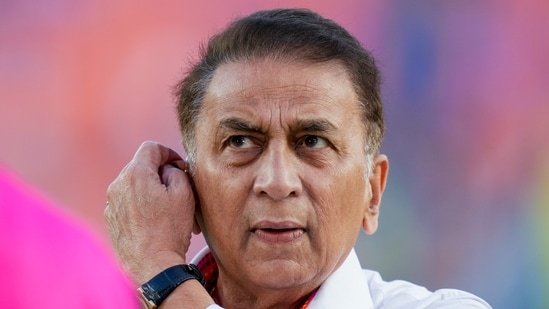
India batting legend Sunil Gavaskar has come under sharp criticism from Pakistan-born former England cricketer Azeem Rafiq following his controversial remarks on Abrar Ahmed’s signing by Sunrisers Leeds in The Hundred 2026 auction.
Writing in his column for Mid-Day, Gavaskar questioned the decision of the Indian-owned franchise to sign the Pakistan mystery spinner for £190,000. He argued that the backlash surrounding the move was “hardly surprising” given the historical context and sensitivities attached to cricketing ties between the two nations.
Gavaskar went a step further in his argument, suggesting that payments made to Pakistani cricketers could indirectly contribute to the country’s state machinery through taxation, thereby raising broader concerns over the implications of such financial transactions. He also questioned whether sporting success in overseas leagues should take precedence over such considerations, particularly for Indian-owned entities.
The remarks, however, did not go down well with Rafiq, who reacted strongly on social media. The former Yorkshire off-spinner labelled Gavaskar’s comments as “vile” and “absolutely ridiculous,” calling for them to be condemned.
“This is absolutely ridiculous and should be condemned. How are these comments acceptable? I don’t care how many runs you have scored. Vile stuff from Gavaskar,” Rafiq wrote on X.
Rafiq further challenged Gavaskar’s stance by questioning whether the former India captain had taken a similar position in his professional commitments, particularly during India-Pakistan matches where he has been part of the commentary panel.
The controversy comes amid an already heated reaction online over Abrar’s signing, with sections of fans debating the appropriateness of the move. Addressing the situation, Sunrisers Leeds head coach Daniel Vettori clarified that the franchise had no specific policy against recruiting Pakistan players and that Abrar had been part of their auction plans from the outset.
Meanwhile, BCCI vice-president Rajeev Shukla distanced the Indian board from the matter, stating that it has no role in decisions taken by Indian-owned franchises in overseas leagues.
The episode has once again highlighted the complex intersection of sport, politics, and public sentiment, with Gavaskar’s remarks and the subsequent backlash underscoring how cricketing decisions involving India and Pakistan continue to invite intense scrutiny beyond the boundary lines.


