



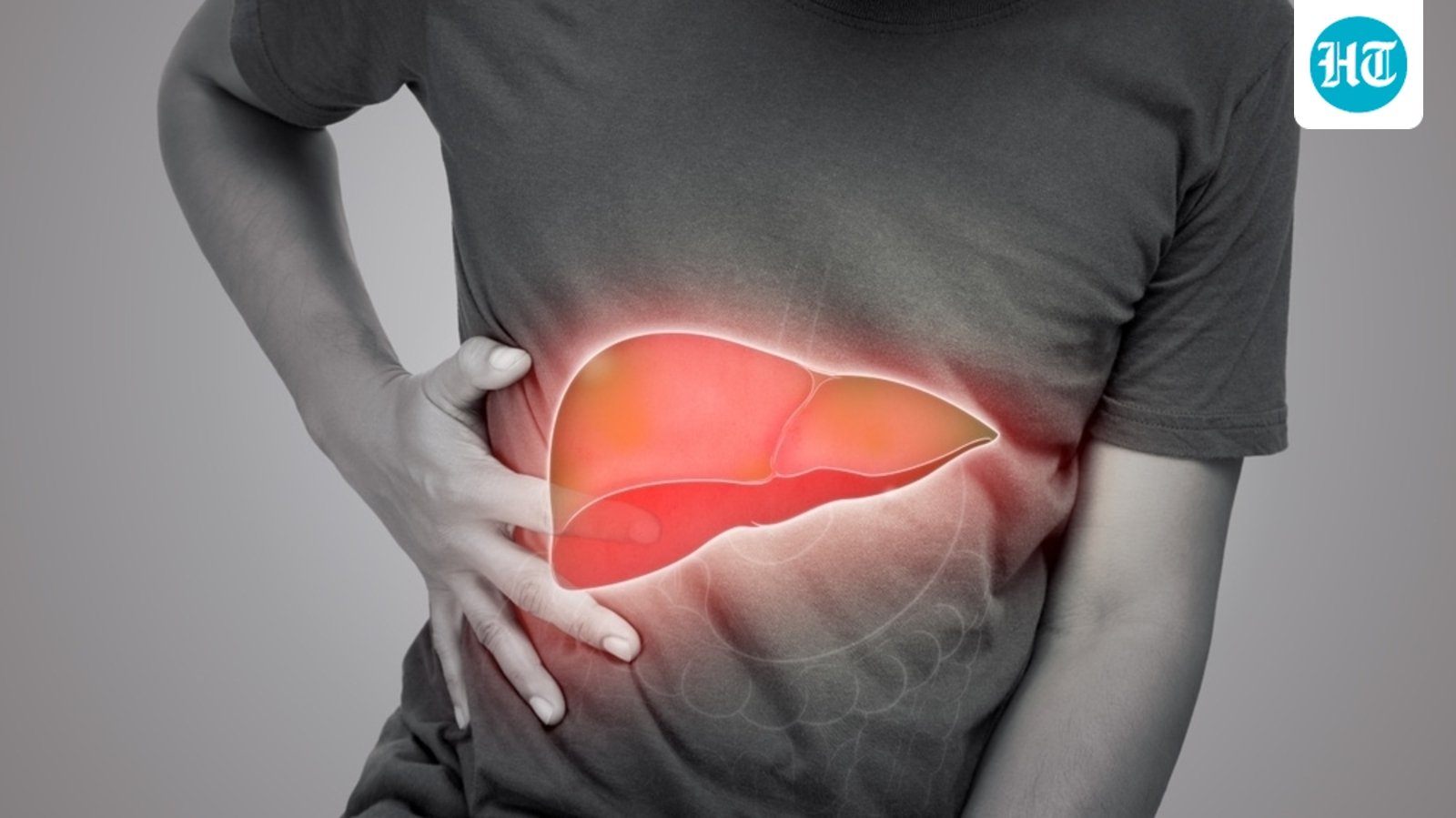
The liver is one of the most important organs in the body that performs a variety of functions. It helps digest food, stores vitamins and minerals, produces proteins needed for blood clotting, clears toxins from your bloodstream, and supports your immune system.
Also Read | Troubled by migraine? Neurologist Dr Rahul Chawla warns against 5 common mistakes that make it worse
In an interaction with HT Lifestyle, Dr Aurag Shetty noted that despite having so many responsibilities, the liver often receives very little attention.
According to him, one probable reason for this is that liver disease usually develops without obvious symptoms in its early stages. “If your liver starts to struggle, the first signs can be easy to dismiss,” he stated.
The doctor shared the various symptoms of liver disorders that require medical attention, which are presented as follows.
Early signs of liver disorder
The early symptoms of liver disease are often very generic in nature and are often ignored by people. The first thing that many people notice is persistent fatigue, shared Dr Shetty. Other symptoms that he shared include:
- Nausea
- Reduced appetite
- Discomfort on the right side of the abdomen
- Unexplained weight loss
- Muscle loss
- Itching
“None of these symptoms points only to liver disease, but together they deserve attention, especially if they continue for weeks,” he stated. “As liver function declines, the body may begin to show clearer changes.”
Some people develop temporary swelling in their feet. Others notice yellow or pale coloured stools or find that they bruise more easily than before. As per the gastroenterologist, these changes suggest the liver is no longer carrying out some of its normal functions efficiently.
Advanced symptoms of liver disorders
Dr Shetty pointed out that advanced liver disease is usually much harder to ignore.
“Swelling in the legs may become persistent. Fluid can collect inside the abdomen, making it appear distended. Jaundice, seen as yellowing of the eyes and skin, often develops at this stage,” he shared.
“Some patients may vomit blood or pass black coloured stools because of internal bleeding. Others experience changes in consciousness, excessive daytime sleepiness, difficulty sleeping at night, or subtle memory problems. These symptoms require urgent medical evaluation,” warned the doctor.
Warning signs of acute and chronic liver conditions
Dr Shetty stated that the pattern of symptoms for liver disorders depends on the underlying disease itself. Acute liver conditions such as hepatitis A and hepatitis E often progress quickly. A person may first develop fever, tiredness, nausea, and vomiting. Jaundice may follow within a short time.
“Chronic liver diseases behave differently,” noted the gastroenterologist. Hepatitis B, hepatitis C, and cirrhosis can remain silent for years. During this period, the liver continues to lose healthy tissue without causing major symptoms. By the time jaundice, swelling of the legs, or abdominal fluid develop, significant and sometimes irreversible liver damage may already have occurred.
“You cannot rely on symptoms alone to judge the health of your liver. Blood tests and an ultrasound examination at least once a year can detect many liver problems before they become severe, particularly if you have diabetes, obesity, consume alcohol regularly, have viral hepatitis risk factors, or a family history of liver disease,” stated Dr Shetty.
Early diagnosis gives an individual a better chance of reversing some liver conditions or slowing their progression with timely treatment and lifestyle changes.
Note to readers: This article is for informational purposes only and not a substitute for professional medical advice. Always seek the advice of your doctor with any questions about a medical condition.
Dr Anurag Shetty is a consultant in the department of Medical Gastroenterology at KMC Hospital, Mangalore.


