



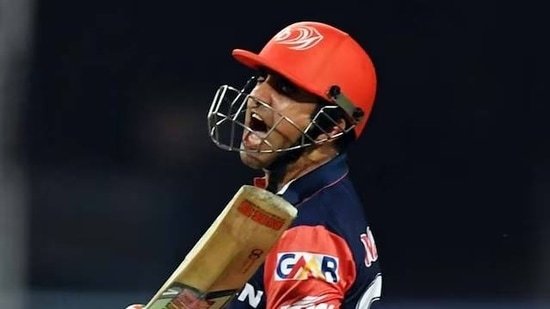
Intensity defined Gautam Gambhir as a cricketer. Whether it was his batting, leadership or aggression on the field, Gambhir was known for pushing himself to the limit every single time he stepped onto the park. Even now, as head coach of the Indian cricket team, that intensity has hardly faded. But according to reputed cricket physio Deepak Sury, Gambhir’s fierce mindset extended far beyond matchdays, even into the physio room, where the former India opener regularly battled through immense pain without once asking for the treatment pressure to be reduced. There even came a stage, Sury revealed, when doctors discussed injections for Gambhir’s shoulder issues as he continued pushing through discomfort.
The revelations came from Sury, who previously worked with the Delhi Daredevils setup before the franchise became the Delhi Capitals. Over the years, he has worked closely with several top Indian cricketers, including Virat Kohli, Virender Sehwag, Gambhir, and many overseas legends such as Sunil Narine and Kieron Pollard. He also had a stint with the BCCI at the National Cricket Academy (NCA).
In an exclusive interview with Hindustan Times Digital, Sury opened up about the behind-the-scenes realities of life as a cricket physio: dealing with high-pressure situations, managing player injuries, and working alongside legends like Sehwag and Gambhir, as well as promising stars such as Rishabh Pant and Shreyas Iyer.
Q: When people think of a physiotherapist, they usually imagine someone running onto the field when a player gets injured. But that’s obviously far from the full picture. What does a typical workday look like for you on match days and non-match days?
I’ll explain this in two ways. Normally, when people think of physiotherapy, they imagine a clinic setup — machines, electric stimulation, heat therapy, ultrasound treatment, and then a few exercises prescribed by a doctor. But sports physiotherapy is completely different. When you enter a clinic, you mostly see machines. In sports, especially on the ground, we don’t really have those luxuries. We mostly rely on our hands, our assessment skills, and a few essentials, such as sprays, tapes, and basic medical items for cuts or injuries. On the field, the biggest thing is analysis. You need to quickly assess the nature of the injury and determine the required treatment. Our main goal is always to get the player back on his feet and available for matches as quickly and safely as possible. The stakes are massive, especially in tournaments like the IPL. Players are earning crores, and every ball they face or every wicket they take has immense value. As a physio, you have to give your absolute best to ensure the player can return to the field without risking further injury.
Q: When a player suffers a serious injury, fans usually only hear statements like “he is recovering well.” What is the actual process behind handling a major injury?
If the injury happens on the field, the responsibility lies with the player’s association or parent body — whether it’s a state association, national board, or franchise. They usually cover all treatment expenses, including surgery and rehabilitation. As physios, our first job is to understand the mechanism of the injury. Was it a twisted ankle? A concussion? A muscle tear? We have to assess everything immediately. In fact, within a minute — sometimes even less — you have to decide whether the player can continue, needs treatment in the dressing room, or must be rushed to a hospital. That’s where the real test of a sports physio begins. If we feel the injury can be managed immediately, we take the player to the dressing room and continue treatment there. But if it’s serious, we immediately send the player for scans, specialist consultations, or surgery if required. Even after surgery, the physio remains closely involved throughout rehabilitation until the player is fully fit again.
Q: With so much money and pressure involved in tournaments like the IPL, how demanding does the job become for a physiotherapist?
For young physios entering the field, there’s always pressure initially. Everyone wants to do well, but in high-profile tournaments like the IPL, the fear of making a wrong decision is real. Imagine dealing with a player worth ₹15 crore or ₹20 crore. One wrong call from you could not only affect the team financially but also potentially damage a player’s career. That’s why every decision has to be made carefully. I remember one case where a player was hit on the finger. It looked like a simple subluxation — where the joint partially slips out — and people around suggested pulling it back into place immediately. But when I assessed it, I felt something was off. We immobilised it and took him for scans instead. It turned out there was also a fracture. Had we forcefully pulled it back, the fracture could have worsened significantly and might even have required surgery later. Instead of recovering in a month, the player could have been out for much longer. That’s why pressure can never dictate medical decisions.
Q: During long injury layoffs, do physios also end up becoming emotional and mental support systems for players?
Absolutely. I always say the worst phase in a player’s life is when he gets injured during a successful period of his career. Modern cricket is extremely competitive. If you slow down even slightly, 50 other players are ready to take your place. When injured players sit out and watch others perform, insecurity naturally creeps in. They start thinking: “What if they don’t pick me again? What if someone else takes my place?” Take the example of Rishabh Pant. He was doing brilliantly, then suffered a serious accident and was away from cricket for a long time. During that period, many others emerged. So as a physio, you’re not just treating the body. You also have to support the mind. You constantly motivate them — reminding them of their talent, telling them they’ll bounce back stronger, and helping them stay mentally positive. You also have to monitor their diet. Injured players often become less active, and naturally, they crave comfort food. But if body fat increases during rehab, it affects mobility and match fitness later. So at times, a physio becomes a therapist, motivator, diet supervisor, and coordinator between trainers, nutritionists, and coaches. It’s a very holistic role.
Q: Recently, we saw MS Dhoni practising in the nets despite being injured. As fans, we think, if he’s batting in the nets, then surely he’s fit enough to play the next game. But he’s still considered injured. Also, there are players who play at 70–80% fitness by taking risks. So who takes that call, and how involved are you in the process?
Actually, when we declare a player fit, we say they are 100% fit. But during the recovery process, things happen in stages. Suppose a batter is recovering, we might tell him to bat only for a certain duration. If it’s a bowler, we might say, “Today you bowl four overs at 50% effort.” Now, if an outsider watches that, they’ll say, “He’s bowling already, why isn’t he playing?” But that’s just part of the recovery process.
Slowly, we increase everything: effort, intensity, overs. For example, today we may ask a bowler to bowl four overs at 50%. Two days later, maybe five overs at 60%. Similarly, in Dhoni’s case, if we ask him to bat for ten overs, next time we may ask him to start playing power shots. Because then the core, shoulders, and legs, everything, start engaging. We may ask him to play lunging shots, straight drives, and cover drives, all based on which muscle group needs rehabilitation. If someone has a core issue, we’ll specifically design batting drills that involve pull shots or movements that stress that area safely, so the muscle gradually adapts again.
That’s why when fans watch the nets, they feel, “He’s playing fine, why isn’t he available?” But recovery is structured. And ultimately, the first and last call on fitness comes from the physio.
Nowadays, though, we consult everyone. In Delhi and earlier at the NCA, too, we started involving trainers, bowling coaches, everyone. We discuss whether the player is pain-free, whether movement patterns look correct, and whether bowling angles are proper. There are many tests now, people know about the Yo-Yo Test, but there are several others too.
Q: How did your journey with Delhi Daredevils begin?
It started around 2010-11 when the franchise needed two assistant physiotherapists. At that time, the head physio had experience with the England cricket team. We initially joined for a few days to assist during testing sessions. After observing our work, they extended the role and eventually asked me to stay for the full season. That became a huge learning phase in my life. Until then, I had mostly worked with domestic cricketers. But at Delhi Daredevils, I got exposure to international players from Australia, New Zealand, and other countries. Understanding their bodies, training routines, and injury management systems taught me a lot. The experience kept growing year after year.
Q: What was it like sharing a dressing room with players like Virender Sehwag and Gautam Gambhir?
Honestly, if you ever enter a professional cricket dressing room, you’ll realise you don’t need comedians in life. Cricketers themselves have endless stories and incredible humor. But beyond the fun, there’s also a lot to learn from them. Many players have gone through so many injuries and treatments around the world that they sometimes know exercises or rehab methods even physios may not know. Virender Sehwag, for example, had undergone treatment at so many places that he understood body mechanics exceptionally well. If you touched the wrong muscle during treatment, he would immediately tell you where the actual release point was. Similarly, Ashish Nehra had extensive knowledge of rehabilitation due to the injuries he sustained throughout his career. He could practically map out an entire recovery timeline — from day one of injury to return-to-play protocols. Sometimes these players know more than physiotherapists because of sheer experience.
Q: Since you mentioned Sehwag, he had a different batting style. But did he spend a lot of time in the physio room because of fitness issues?
Actually, he was mostly fit. But he often had tight hip flexors and back tightness. Sometimes he’d get back spasms, too. The thing with athletes is that their bodies need to stay extremely balanced. In cricket, if you remain active and consistent, you’re doing your job well. When you’re in your twenties, reflexes work brilliantly. Many young players say, “Brother, I’m super fit.” I tell them, “Okay, wait till you’re 35, then we’ll talk.” Once some fat starts accumulating around the sides and reflexes slow down, suddenly the ball slips past you, and you realise fitness is a completely different challenge then.
Q: What was Gautam Gambhir like in the physio room? He always looked extremely intense on the field.
Gautam was incredibly tough mentally and physically. He had a very high pain tolerance. Many players ask you to reduce pressure during treatment, but Gautam rarely did. He could endure intense treatment sessions without complaint. I remember he once developed a shoulder impingement issue. Some doctors suggested injections, but Gautam decided he wanted to recover purely through exercises and rehabilitation. His dedication during rehab was unbelievable. We kept working on strengthening and corrective exercises, and eventually not only did the pain improve, but his throwing strength improved even more than before. People mostly see his intense side on the field, but off the field, he’s actually very jovial and fun-loving.
Q: You also saw younger players like Rishabh Pant and Shreyas Iyer early in their careers. What stood out about them?
Both were extremely hardworking from the beginning. Shreyas Iyer always trained very seriously. As for Rishabh Pant, I’ve known him since his Under-16 days. He may look bulky, but he is incredibly fit and strong. People underestimate his endurance. Scoring 300 runs in a Ranji Trophy match is not easy. You’re constantly running, staying mentally alert, and maintaining physical intensity for long periods. Pant has always been naturally strong, trained hard, and had excellent endurance levels. Both of them were not only talented cricketers but also very good human beings.


