



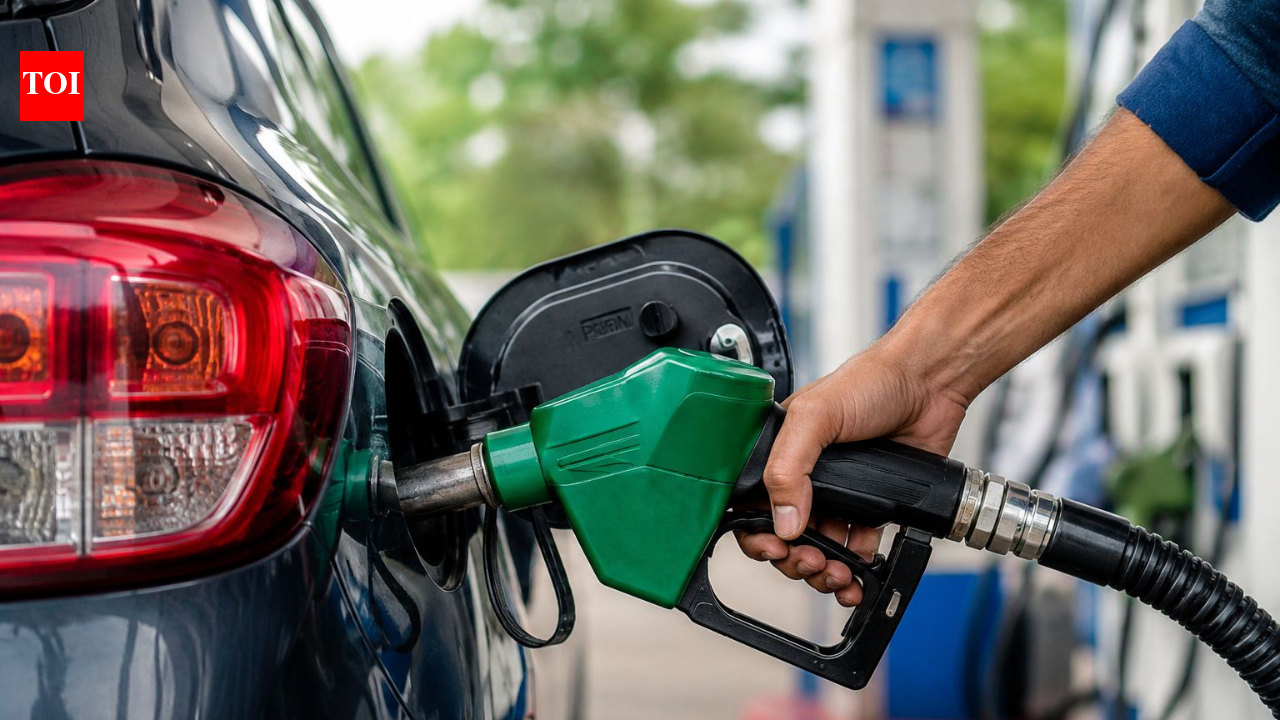
Rising petrol and diesel prices are increasing the cost of daily commuting for Indian car owners, making fuel efficiency a growing priority for buyers and existing vehicle owners alike. While fuel price hikes may appear marginal initially, they can significantly affect monthly expenses over time, particularly for people with long daily commutes and heavy city usage.Improving mileage, however, does not always require buying a new vehicle or spending heavily on modifications. Simple driving habits, timely maintenance, and better trip planning can help reduce fuel consumption across hatchbacks, sedans, SUVs, and CNG vehicles. One of the biggest factors affecting mileage is tyre pressure. Underinflated tyres increase rolling resistance, forcing the engine to work harder and consume more fuel. Checking tyre pressure regularly and maintaining manufacturer-recommended levels can improve efficiency while also increasing tyre life and safety.Driving behaviour also plays a major role in fuel consumption. Aggressive acceleration, sudden braking, and inconsistent speeds can reduce mileage considerably, especially in city traffic. Smooth acceleration and maintaining steady speeds, particularly on highways, help improve fuel efficiency. Vehicles equipped with cruise control can also reduce unnecessary throttle inputs during long-distance travel. Car owners can further improve mileage by reducing unnecessary weight inside the vehicle. Carrying extra luggage, accessories, or unused items increases engine load and fuel consumption. Removing excess weight can make a noticeable difference, especially in smaller vehicles.Regular servicing remains equally important. Dirty air filters, old engine oil, worn spark plugs, and clogged fuel injectors can reduce engine efficiency and increase fuel usage. Following the recommended service schedule helps maintain performance and lower running costs in the long term.Air conditioning usage also affects mileage, particularly in slow-moving traffic where vehicles spend longer periods idling. Keeping the temperature at moderate levels instead of the lowest setting can help reduce fuel consumption. On highways, driving with windows open may increase aerodynamic drag, making moderate AC usage more efficient at higher speeds.Long idling is another common reason behind unnecessary fuel consumption. Switching off the engine during extended stops at railway crossings, traffic jams, or parking areas can help save fuel. Many newer vehicles now feature automatic start-stop systems aimed at improving efficiency in traffic conditions.In manual cars, proper gear shifts are important for maintaining mileage. Driving at high speeds in lower gears or using higher gears at very low speeds increases engine strain and fuel consumption. Smooth shifts at moderate RPM levels generally deliver better efficiency in everyday driving. Trip planning can also reduce fuel usage. Short drives in heavy traffic often consume more fuel than uninterrupted longer journeys. Combining errands, avoiding peak-hour congestion, and using navigation apps to identify less crowded routes can help lower overall fuel expenses.Certain aftermarket modifications can negatively impact mileage as well. Oversized tyres, large alloy wheels, roof carriers, and other external accessories increase rolling resistance or aerodynamic drag, reducing fuel efficiency. Buyers prioritising mileage are usually better off avoiding such additions. Fuel quality also affects engine performance and efficiency. Refuelling from reliable fuel stations helps maintain smoother engine operation. Although premium petrol is marketed as improving performance, its effect on mileage depends on the vehicle and driving conditions. Standard fuel from trusted outlets is sufficient for most regular commuter cars.Many modern cars now offer multiple driving modes, including Eco, Normal, and Sport. Eco mode helps optimise throttle response for better fuel efficiency during daily commutes, while Sport mode generally increases fuel consumption due to more aggressive throttle calibration. With fuel prices expected to remain volatile, buyers are increasingly prioritising mileage while purchasing new vehicles. This has contributed to rising demand for hybrid and factory-fitted CNG models in India. However, regardless of fuel type or vehicle segment, driving habits continue to play a major role in determining real-world fuel efficiency.Small changes in driving style and maintenance practices may seem insignificant individually, but over time they can result in substantial savings. As fuel costs become a larger part of overall ownership expenses, improving mileage is now as much about reducing running costs as it is about efficiency.


