






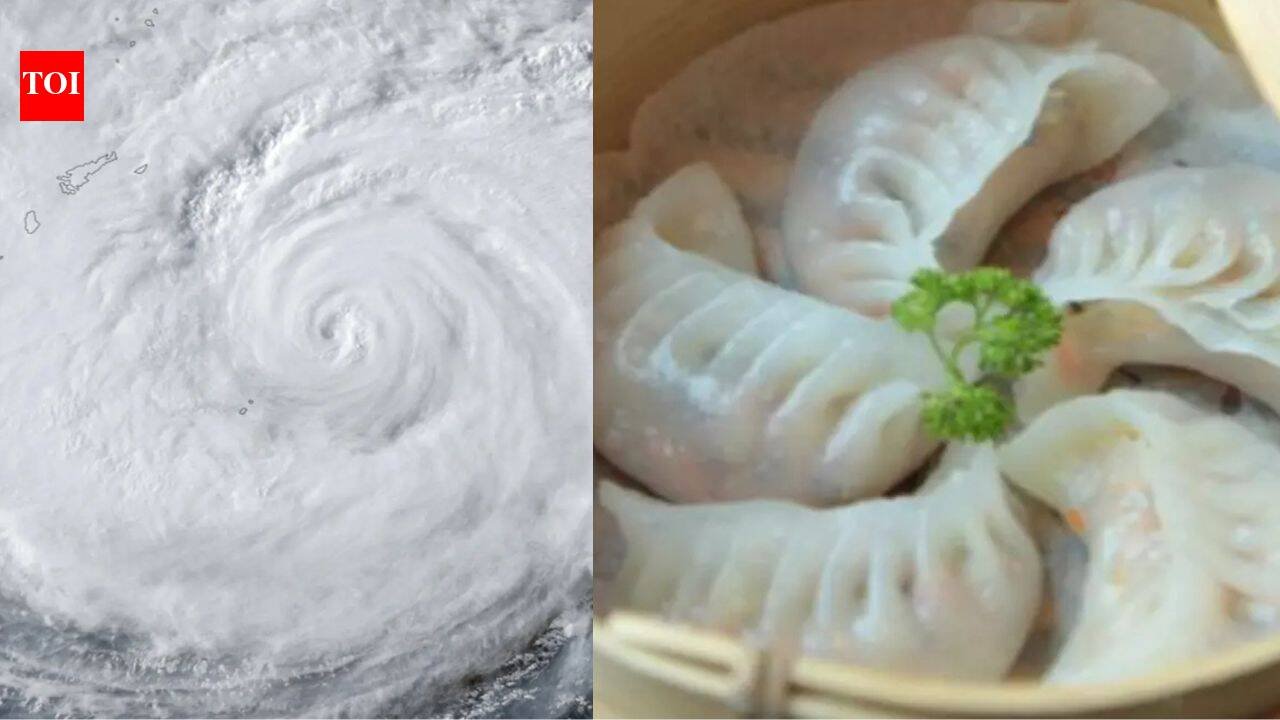
Inspired by the mouth-watering snack, ‘Dim-sum’ has been added to the official list of names for future tropical cyclones in the western North Pacific and the South China Sea.However, it was not Hong Kong’s most popular choice. More than 20,000 people took part in the 2023 exercise that helped the Hong Kong Observatory build a reserve pool of locally representative cyclone names. “Milktea” emerged as the favourite, with “Dim-sum” finishing fourth.The Guardian reported that Hong Kong supplied “Dim-sum” as one of nine additions made to the cyclone naming list in 2026. The additions form part of an official Asia-Pacific naming system in which names are generally reused unless particularly destructive storms lead to their retirement.
Why storm names are replaced
The Typhoon Committee is an intergovernmental body established under the joint auspices of the World Meteorological Organization and the UN Economic and Social Commission for Asia and the Pacific. It maintains a list of 140 names for tropical cyclones in the region. A tropical cyclone may also be described as a hurricane or a typhoon depending on where it occurs.Cyclone names are normally reused, but particularly destructive storms can result in a name being retired from the list and a replacement being introduced.When a name is retired, the member that originally supplied it must put forward an alternative for consideration by the Typhoon Committee.Proposed names must also clear several safeguards: they cannot refer to public figures or be considered indecent or offensive in another language.
Dim-sum has eight new companions
The 2026 additions range from food to animals, plants, greetings and geographical terms.North Korea contributed “Gaeguri”, meaning a frog, while Vietnam’s “Hoaban” refers to a typical flower found in the country’s north-western mountains. Micronesia chose “Tirou”, a respectful form of greeting in Chuukese culture. Japan supplied two names: “Hebi”, meaning snake, and “Tomo”, meaning stern. Cambodia selected “Koki”, the name of a large tree, while the Republic of Korea contributed “Narae”, meaning the wing of a bird or an insect. Thailand’s contribution, “Burapha”, means East.Together with Hong Kong’s “Dim-sum”, they make up the nine newly approved names.
How regional words replaced English storm names
The current approach dates to 2000, when each of the Typhoon Committee’s 14 members began contributing 10 names drawn from local language and culture. The regional naming system was introduced to improve public awareness of cyclones by using words that people in participating countries would recognize. The pool has consequently included references to animals, plants, historical figures and food. The first storm named under the system in 2000 was “Damrey”, meaning elephant in Cambodian. The US contributed names of Palauan, Marshallese and CHamoru — also known as Chamorro — origin.Before the regional system was introduced, English names were used.The use of women’s names for Pacific storms became widespread among US military meteorologists during the Second World War, with forecasters naming typhoons after their wives and girlfriends.
Hong Kong has had names rejected before
Dim-sum’s approval comes two decades after Hong Kong saw two proposed cyclone names blocked.In 2005, Thailand objected to “Kapok”, the name of a silk-cotton tree in Hong Kong, because its pronunciation resembled a Thai slang term for male genitalia.“Tai Chi” also failed to make the list after Japanese officials objected on the grounds that it sounded like a child’s name.This time, Hong Kong’s food-inspired entry made it through, raising the possibility that weather bulletins in the region could one day warn of a storm called ‘Dim-sum’.


