



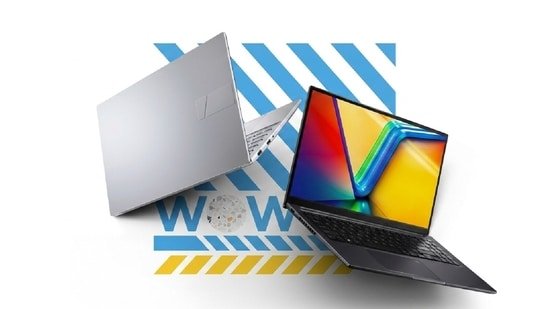
Buying a laptop in 2026 has become less about raw specifications and more about picking the right type of machine for the work you actually do. AI features are now built into many Windows laptops, battery life has improved across categories, and even thin business laptops can handle demanding workloads without turning into bulky machines.
Over the past few years, I’ve tested and reviewed a wide range of laptops across segments, including business notebooks, creator-focused systems, gaming machines, and Copilot+ PCs. I regularly evaluate laptops on thermal performance, display quality, keyboard comfort, battery endurance, AI workloads, and long-term usability. For this guide, I compared the Asus ExpertBook P3 lineup alongside the latest Snapdragon AI PCs to understand which machines deliver practical value rather than just chasing AI branding.
The laptops listed here were evaluated based on processor performance, portability, battery life, display quality, connectivity, security features, and real-world office productivity. Benchmark references include Cinebench, Geekbench, PCMark, sustained thermal tests, and battery usage simulations.
If you are specifically searching for Asus ExpertBook P3 series laptops or Snapdragon-powered AI PCs, these are the models worth considering right now.
Asus ExpertBook P3 Series
The Asus ExpertBook P3 lineup focuses on business users who need reliability, security, and long battery life without moving into premium enterprise pricing.
The ExpertBook P3 laptop is aimed at users who primarily work with office apps, browsers, spreadsheets, and multitasking workflows. It runs on Intel’s 13th Gen Core processors, going up to the Core i7-13620H.
The laptop features a 14-inch WUXGA IPS display with a 16:10 aspect ratio, which provides more vertical space for documents and web browsing. Asus also includes an anti-glare coating, which helps during long work sessions. Memory configurations go up to 32GB, while storage support varies by region, with single or dual SSD options. Port selection remains practical with USB-C, USB-A, HDMI 2.1, Ethernet, and a headphone jack.
At around 1.42kg, the laptop stays portable enough for regular travel. Security additions such as a fingerprint reader, IR camera, webcam privacy shutter, and MIL-STD 810H durability certification make it suitable for office deployment and remote work setups.
These are Asus’ newer Copilot+ PCs powered by AMD Ryzen AI processors. The PM3406 comes with a 14-inch display, while the PM3606 moves to a larger 16-inch form factor. The biggest upgrade here is the dedicated AI hardware. These systems deliver over 50 TOPS of AI performance through the onboard NPU, allowing Windows AI features and local AI processing to run more efficiently.
The PM3406 includes a 14-inch 2.5K panel with a 144Hz refresh rate, while the PM3606 gets a 16-inch 2.5K display. Asus also increases battery capacity to 70Wh, which should help during long workdays. RAM support goes up to 64GB DDR5, and dual SSD support allows storage expansion up to 3TB. Connectivity is modern as well, with Wi-Fi 7 and Bluetooth 5.4 included.
For enterprise users, Asus bundles ExpertGuardian security tools, BIOS protection compliant with NIST SP 800-155 standards, and five years of security updates. AI-focused features like ExpertMeet also add meeting summaries and background noise reduction.
Snapdragon AI PCs in 2026
Snapdragon-powered laptops have evolved significantly since the first generation of Windows-on-ARM devices. The latest Snapdragon X2 Elite systems now focus on battery efficiency, quieter thermals, and on-device AI processing.
Microsoft continues to position the Surface Pro as a hybrid device for users who need both tablet and laptop functionality. The latest model uses the Snapdragon X2 Elite platform with a 75+ TOPS NPU. It includes a 13-inch OLED display with HDR support and a 120Hz refresh rate. Battery claims reach up to 15 hours of active browsing and 22 hours of video playback. Microsoft also upgrades the front camera to a 1440p unit optimised for AI-powered video conferencing. The optional Flex Keyboard adds haptic feedback, while 5G connectivity remains available for mobile professionals.
Samsung’s Galaxy Book5 Edge focuses heavily on portability and ecosystem integration with Galaxy smartphones. The laptop is available in 14-inch and 16-inch versions with AMOLED 2X displays running at 120Hz. It also includes features like Circle to Search and dedicated AI shortcut keys. Samsung’s Link to Windows integration continues to improve cross-device workflows between Galaxy phones and Windows PCs. At 12.3mm thickness, the device targets users who prioritise portability without moving to smaller screens.
5 Things to Consider Before Buying
1. Processor: Choose Intel Core Ultra, Ryzen AI, or Snapdragon X-series based on your workload and AI usage.
2. Battery Life: Snapdragon laptops usually offer better efficiency, while Intel and AMD systems may provide wider app compatibility.
3. Display: A 14-inch laptop is easier to carry, while 16-inch models are better for multitasking.
4. Ports: Check for USB-C, HDMI, USB-A, and Ethernet if you use external accessories regularly.
5. RAM and Storage: 16GB RAM works for most users, but 32GB is better for heavier workloads and future use.
Disclaimer: At Hindustan Times, we help you stay up-to-date with the latest trends and products. Hindustan Times has an affiliate partnership, so we may get a part of the revenue when you make a purchase. We shall not be liable for any claim under applicable laws, including but not limited to the Consumer Protection Act, 2019, with respect to the products. The products listed in this article are in no particular order of priority.


