



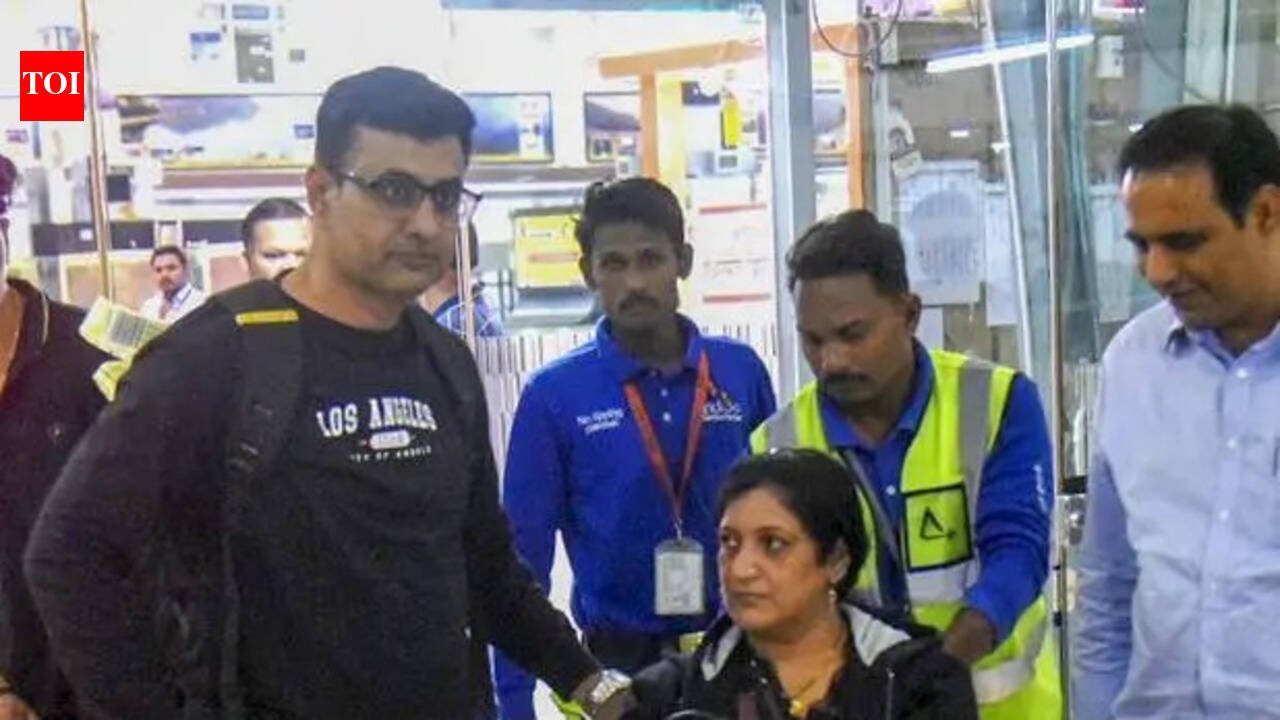
Nagpur: The wounds are still raw, and memories still haunt Pahalgam survivors from Nagpur, exactly a year after the terror attack claimed more than 20 lives and left several injured. The sound of gunfire, the desperate scramble to escape still jolts Simran Roopchandani out of her sleep.For the family, survival came at a cost. Simran’s husband, Tilak Roopchandani, recalls they were at a kiosk near the site when his wife suggested they leave. “Within moments of stepping away, gunfire erupted and bullets began hitting the site,” he said. As panic spread, the family ran for cover and jumped downhill, during which Simran fractured her leg. Despite the injury and oozing blood, they had no choice but to keep moving. Tilak and his son, Garv, carried her on their shoulders across a forest stretch of nearly 7km with bullets flying behind them.In those critical moments, Simran urged her teenage son to run, Garv refused. “Either we will leave together or we die together,” Tilak recalled his son saying, which still triggers goosebumps. The family eventually trekked to safety, but the trauma refuses to die with time. Simran, who underwent a major surgery last year, with rods inserted to stabilise multiple fractures, is now preparing for another procedure in May. “It takes immense courage to even recall April 22,” Tilak said, adding the family avoids discussing the incident as it brings back distress.Similar miracle stories continue to emerge. Rajendra Kawale, 60, travelling with his family and young grandchildren, came within minutes of the attack site when gunshots rang. “Our driver, Javed, immediately asked us to take a U-turn. Suddenly, it was a war-like situation,” he said, describing scenes of armed forces rushing in and tourists scrambling for cover. Kawale believes a brief delay in their journey was the saviour. “Had we not stopped earlier to buy dry fruits, we would have been at the spot and possibly dead,” he said.Their return journey was equally harrowing. With curfew and curbs along the highway, it took them nearly 18 hours to reach Jammu. “I still remember my wife and daughter-in-law shivering, and my grandsons terrified. It was a miracle we survived,” Kawale said.For Pruthviraj Waghmare, the trauma was deeply personal. His family descended from Baisaran barely 30 minutes before the attack. “The same ‘pittu’ who carried my daughter safely went back up. I fear he never returned,” he said. The experience has left a lasting impact on his family. “They refuse to travel north after what they endured,” he added.Others recount similar distress. Raj Dekate was among those stranded, spending more than 35 hours at a bus stop near Srinagar without food, leaving them exhausted and anxious. Similarly, a group of 15 Nagpur tourists, including Satish Ingle, who visited Baisaran Valley a day before the attack, were forced to cut short their trip amid rising panic, only to find hotels full and movement restricted. Their driver’s attempt to take them to a safer location was stopped by the Army due to security concerns, pushing them to seek last-minute shelter at a petrol pump and a nearby Parshuram temple, where locals stepped in with food, rest and medical aid.Normalcy has returned to Kashmir’s tourist circuits, but for those who lived through the attack, the scars remain. Their accounts underline not just the horror, but the silent aftermath that follows — long after headlines move on.


