






Behind the polished counters of five-star hotel kitchens and the darkened aisles of quick-commerce dark stores, India’s food safety regulators have spent the past few weeks pulling back the curtain on an industry-wide problem — and what they’ve found isn’t pretty.Rotten meat with visible fungus, milk cut with soybean oil, paneer that isn’t really paneer, and cough-syrup ingredients repackaged from industrial waste.Bengaluru’s star hotels caught cooking with rotKarnataka’s FDA mobilised 30 special teams to inspect 26 three- and five-star hotels across Bengaluru in a single sweep, acting on public complaints. The haul: 105kg of expired food — 50kg chicken, 25kg meat, 23kg fish, 7kg vegetables — at one hotel; 76kg meat, 200kg vegetables and 32 litres of expired milk at another.By day three, inspectors had pulled over 100kg more food and 15 litres of used cooking oil from six additional hotels — 45kg of rotten chicken and beef at Hotel Sky in UB City, 50kg of duck and 5kg of fish at Royal Chain Hotel, and a full kitchen shutdown at Skyye Lounge after inspectors found fungus-covered beef and curd packets that had expired 10 days earlier.The drive then moved upstream to suppliers: at Coldman Logistics and Radhakrishna Foodland, officials seized 70kg of near-expiry sauces and 10 litres of beverages, and pulled samples of mutton, fish and other meat for lab testing.
Major violations detected
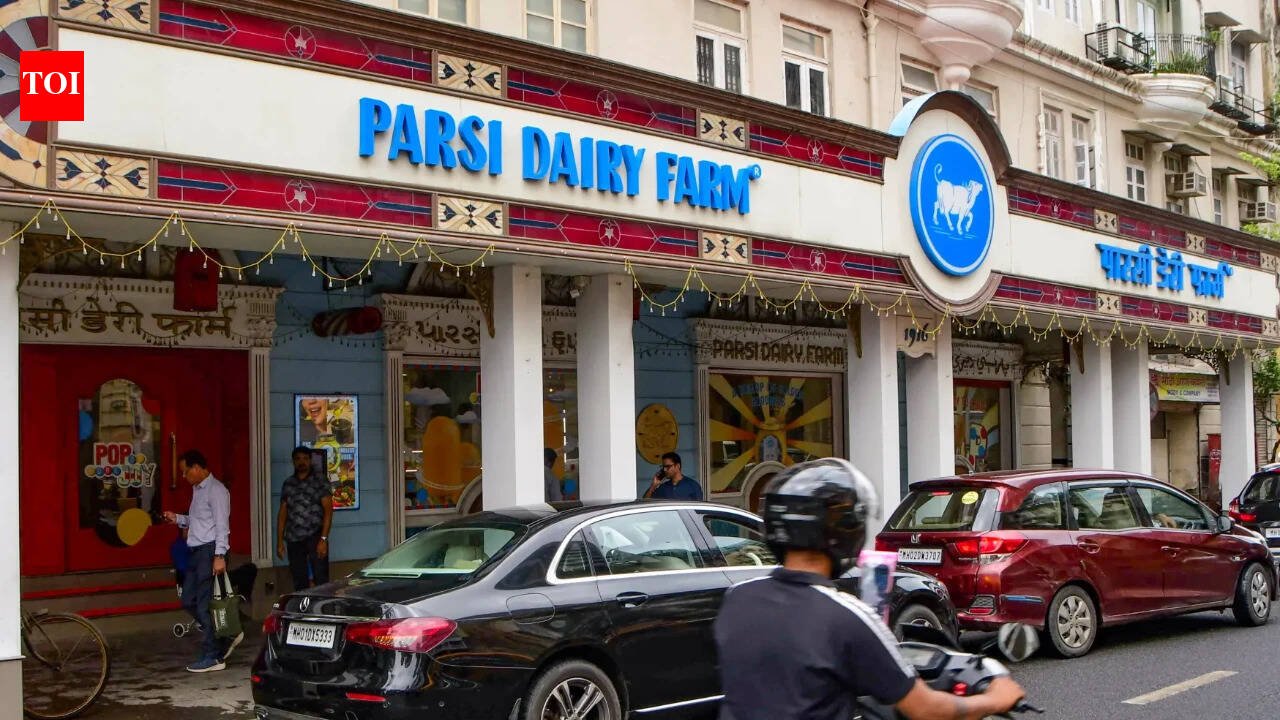
Health minister UT Khader made the politics explicit — hit the five-star properties first “so everyone below automatically falls in line” — and needled hotels over meat imported from Denmark despite domestic availability, and over chains that won’t disclose how old their buns and chicken masala really are. IHCL, which runs Taj and Vivanta properties, denied using rotten food and said hygiene remains non-negotiable at its hotels.Maharashtra’s adulteration map: Milk, ghee, paneer, jaggery, mangoesPune FDA joint commissioner Digambar Bhogwade laid out the state’s most common tricks: refined sunflower or soybean oil added to watered-down milk to fake fat readings; “permeate dairy powder” — a lactose-rich ultrafiltration byproduct — used to bulk volume while gutting nutrition; “cheese analogue” sold undisclosed as real paneer; bun maska made with vegetable fat spread instead of butter; sugar cut into jaggery marketed as organic; artificial green dye on fried peas; and ethephon used to force-ripen mangoes past FSSAI’s 100 ppm ethylene cap, risking liver damage and acute digestive distress.In Sangli’s Miraj taluka, surprise raids on two cattle sheds found milk cut with dairy permeate powder and refined soybean oil at one, refined sunflower oil at the other — a combined 76 litres destroyed and three people booked.The same Pune drive hit BG Goyal and Company in Gultekdi market yard, seizing 4,172 kg of turmeric powder and sesame and soybean chunks worth over Rs 8 lakh; the firm is run by the father of Siya Goyal, an accused in the Lohegad Fort murder case.Mumbai’s iconic Parsi Dairy Farm — trading since 1916 — had its licence suspended after inspectors found no raw milk reception dock, fungal growth on walls, raw materials stored directly on the floor, and pest and rodent infestations. It follows earlier suspensions at ice-cream parlour K Rustom and the Shalimar and Noor Mohammadi restaurants.
Parsi Dairy Farm reopens in Mumbai
Statewide, FDA has seized 2,317 litres of milk, 30 litres of adulterating refined oil and 6,849.25kg of dairy products worth over Rs 45 lakh; in Mumbai alone, two vendors caught tampering with milk pouches lost 558 litres worth Rs 39,503. A separate raid on JK Soap Bazar in Jogeshwari seized Rs 10.94 lakh of unlabelled toilet soap missing mandatory safety information.The paneer problem became policy: Maharashtra imposed a one-year, state-wide ban on unstandardised analogue and non-dairy paneer, with penalties up to life imprisonment for the worst violations; Gujarat followed with its own ban covering analogue paneer, cheese and butter.FDA commissioner Tukaram Mundhe also rolled out farm-to-table compliance orders for the entire milk supply chain, warning of fines up to Rs 10 lakh.Beed’s Rs 2 crore oil bustA two-day drive under the “Safe Food, Safe Maharashtra” campaign hit five edible oil units in Beed district, seizing roughly 1.2 lakh kg of oil worth Rs 1.9 crore and suspending all five licences instantly.The largest single seizure — 66,652.6 kg worth over Rs 1 crore — came from an MIDC Beed unit accused of drawing oil from one tank and labelling it both “refined” and “ultra-refined,” using reused tins, with no in-house lab, no Certificate of Analysis and no worker medical or pest-control records.A second MIDC unit yielded another 45,995.7 kg under near-identical conditions; smaller seizures followed in Wadwani and Majalgaon.\
From kitchen to plate: Where food safety can fail
Mumbai: Bakeries, glass shards, stapler pins and a cockroach kitchenA sweep of 34 Mumbai bakeries produced closure notices for four — Bengaluru Iyengar Bakery, Golden Bakery, Mirza & Sons Bakery and Big Bite Bakery — plus five licence suspensions and 22 improvement notices.On the eateries side: Nino Burgers and Jai Maa Kali Dhaba lost licences (the latter for storing food near toilets), J Hospitality’s House of Maharashtra had a cockroach infestation, and South India Dosa Corner lacked proper sewage disposal. Across four days in late July, FDA inspected 98 eateries statewide, suspending 14 licences.Two cases drew particular outrage: a mid-day meal supplier serving roughly 3,000 Ghatkopar and Vikhroli schoolchildren lost its licence after glass shards turned up in a meal, with inspectors later finding unpest-controlled raw rice storage and unsealed drinking water; and Tewari Brothers Mithaiwala near Girgaon’s Opera House lost its licence after a viral video alleged a stapler pin was found in kaju katli. Commissioner Mundhe’s line: “Playing with public health will not be tolerated at all.“Even government premises weren’t spared — three Bombay high court canteens were inspected after the court asked whether FDA scrutiny extended beyond private hotels; one got a stop-business order, two got improvement notices, and the century-old Bombay Bar Association canteen shut voluntarily ahead of the visit. IIT Bombay was found running two campus canteens with no food licence at all.Hyderabad’s spice raids: Cloth dye and talcum powder as seasoningThe Hyderabad Food Adulteration Surveillance Team (H-FAST) seized over 25,000 kg of hazardous, chemical-laced spices across 13 establishments, arresting three people. Investigators found synthetic Sudan-style dyes, industrial-grade permanent colours, and — most strikingly — talcum powder and cloth dye mixed into rejected mustard stock to fake gloss, weight and volume; cloves and shahjeera were coated in synthetic colour for a “premium” look.Since its March launch, H-FAST has run 659 raids, filed 202 FIRs and seized nearly 246 tonnes of adulterated food overall — including 12 tonnes of rotten chicken and mutton, 60 tonnes of foul-smelling chicken waste destined for hotels, 25.8 tonnes of chemically ripened fruit, 9.2 tonnes of adulterated pickle and 3.8 tonnes of adulterated tea powder.Spice and flour fraud beyond the metrosIn Kanpur’s Panki industrial area, FSDA raided a spice factory mixing coloured rice powder and passing it off as turmeric, seizing adulterated turmeric worth Rs 5.86 lakh; a companion raid on a Rama Devi flour mill seized Rs 1.5 lakh of flour illegally repacked under someone else’s brand.In Indore, a district-wide dairy and school-canteen drive seized 208kg of suspected adulterated ghee worth Rs 1.35 lakh from Nanaksar Dairy Farm and found unhygienic cooked-food storage and incomplete labelling at Medi-Caps International School, where inspectors destroyed improperly stored frozen items on the spot.Detergent in milk, oil tankers interceptedIn Khargone, Madhya Pradesh, police booked the operator and manager of Kanchan Dairy after lab tests found detergent in one of two milk samples collected from the unit — declared unsafe for human consumption, with more samples now in for testing.In Gujarat, Rajkot Rural police intercepted a tanker travelling from Junagadh and destroyed 5,400 litres of adulterated milk worth roughly Rs 2.7 lakh, acting on a tip-off about the transporter.Toxic cosmetics and the pharma supply chainMaharashtra’s FDA flagged three skin-lightening creams — including Goree Beauty Cream, reportedly of Pakistani origin — after lab tests found mercury and lead far above safe limits, ordering an immediate stop to their sale; a Chembur shopkeeper already faces a separate police case over stocking the same cream despite the Centre’s import ban on Pakistani goods.FDA’s June sweep of 34 manufacturing units seized drugs, medical products and cosmetics worth Rs 4.12 crore, with 35 of 787 lab-tested samples failing standards.The problem isn’t confined to one state. Rajya Sabha data tabled by the health ministry shows more than 14,700 drug samples nationwide were declared “Not of Standard Quality” over the past five years, with 1,613 more found spurious or adulterated — out of nearly 5.5 lakh samples tested as annual testing volumes rose 59%.In Himachal Pradesh’s Solan-Baddi-Nalagarh pharma belt, a CDSCO alert flagged 46 state-manufactured drug samples as substandard, including everyday medicines like telmisartan, paracetamol, amoxycillin-clavulanate and pantoprazole, plus one adenosine injection that failed sterility testing outright.And in Faridabad, Haryana’s FDA busted an alleged racket repackaging industrial-grade Propylene Glycol — a cough-syrup ingredient — into drums branded as pharmaceutical grade, arresting a manager and testing seized stock for contaminants linked to fatal poisonings in Madhya Pradesh and Rajasthan.
What food safety inspectors found
The enforcement gap: Telangana’s zero convictionsNot every state is cracking down equally. Union health ministry data tabled in the Lok Sabha shows Telangana tested 3,576 food samples in 2025-26, with 398 (11.1%) non-conforming — yet recorded zero civil penalties and zero convictions all year, a backlog officials blame on cases still crawling through district collectors from 2022-23.Compare that to Tamil Nadu, which tested over 44,000 samples and secured 1,359 penalty cases and 857 convictions, or Kerala’s 1,026 penalties from under 17,000 samples. Telangana also runs food safety enforcement at barely 54% staffing — 44 of 81 sanctioned officer posts filled — against 100% occupancy in Karnataka and Kerala.Big brands aren’t exemptFSSAI has ordered Dabur India to halt sales of a range of products — organic honey, apple cider vinegar, virgin coconut oil, sesame oil, cow ghee, coconut water and milk — marketed with “100% pure,” “100% natural” or “100% purity guaranteed” claims the regulator says violate labelling rules and imply unauthorised organic certification.Dabur has been ordered to recall the flagged products within 15 days and file a compliance report; the company says its labels comply with existing regulation and it has begun removing the “100%” claims while it “engages constructively” with FSSAI.
FDA freezes licence of Mumbai’s iconic ice cream outlet over rats on premises
Quick-commerce’s regulatory blind spotSwiggy Instamart has drawn nine FSSAI notices over complaints of rotten eggs, spoiled parathas, expired whey protein and other unsafe products — including Healthify Whey Protein, Noice Madras Mixture, Akshayakalpa Organic Eggs and Kakke da Paratha — reaching customers through its dark-store network.The deeper issue: Dark stores fall into a regulatory no-man’s-land, licensed like any other food business despite being neither shopfront, warehouse nor cold storage, with India on track for 5,000–5,500 of them by fiscal year-end and enforcement still entirely complaint-driven.Street food and the public health tollIn Chennai, health minister KG Arunraj told a hall of street food vendors the department would act on banned colours and adulterants, urging safe oil, proper storage and regular health checks for handlers, as the state plans a “healthy food street” pilot with standardised carts across six districts.The stakes: Tamil Nadu logged over 35,000 acute diarrhoeal disease cases, 6,927 typhoid cases, 867 Hepatitis A cases and five cholera cases in just the first half of 2026.And the markets that supply it allJaipur’s Lal Kothi and Vidyadhar Nagar mandis remain ringed by uncollected garbage and stray pigs and dogs feet from produce stalls, despite the city’s 2024 Swachh Survekshan top-20 ranking.Physicians warn of typhoid, cholera and tapeworm risk from cross-contamination — and, in pig-linked cases, neurocysticercosis, a brain infection causing seizures.From a Marine Lines dairy running since 1916 to a Faridabad chemical racket to India’s biggest FMCG names, the same economics keep repeating — undisclosed substitution is cheaper than compliance, and enforcement remains reactive, complaint-triggered and, in states like Telangana, functionally toothless once a case is actually filed.


