



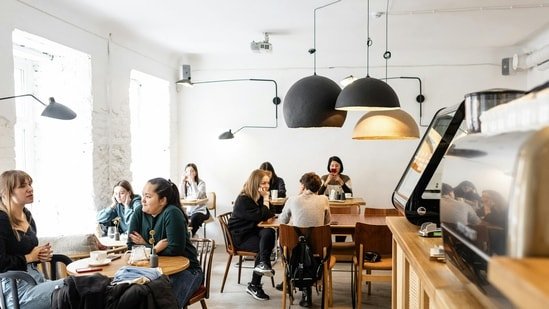
Cafés have slipped into a very specific place in modern city life. They are no longer just somewhere people go for coffee or a quick bite. They are where work gets stretched out into the afternoon, where conversations happen without ceremony, where people arrive alone and stay comfortably alone, and where the room itself often matters as much as what is on the menu. That shift has changed the way cafés are built, experienced, and remembered. In an interview with HT Lifestyle, Chef Vanshika Bhatia revealed reasons for the booming cafe culture in India.
Also read | 5 Instagrammable cafes in Dubai with delectable coffee, bakes and cosy decor that you cannot miss out on
1. The café is now as much about mood as it is about the menu
“A strong café is not defined only by what it serves. People notice the way the room sounds, the way light falls across the tables, the feel of the cups in hand, the tone of the menu, and the overall ease of being there,” said Vanshika. These details shape the visit as much as the coffee does, which is why the best cafés are often remembered as much for atmosphere as for flavour.
2. Cafés have become the modern in-between
According to Vanshika, for many people, cafés now function as a space between home and office, private and public, productive and relaxed. That is what makes them such a useful part of urban life. They give freelancers, young professionals, and creators a place that feels open enough to work from, but soft enough to linger in without the pressure that comes with more formal spaces.
3. Discovery happens visually first
Café culture is now deeply shaped by how spaces are seen online. “A striking corner, a well-composed plate, a distinct cup, or a drink that photographs well can make a café feel familiar before someone has even stepped inside it,” said Vanshika. Social media has turned visual identity into a major part of the experience, not just a promotional layer on top of it.
4. The appeal lies in how little it asks of you
Unlike restaurants, cafés do not usually demand a particular pace or performance. There is room to stay longer, work quietly, talk slowly, or simply sit with a coffee and nothing else. That lack of pressure is part of the appeal. It makes cafés feel usable in everyday life rather than reserved for a specific occasion.
5. What cafés serve now says a lot about how people live
“Speciality coffee, matcha, artisanal desserts, sourdough, and wellness-driven drinks are not isolated trends,” said Vanshika. They reflect a more global palate and a customer who is increasingly guided by experience, curiosity, and identity. People are looking for places that reflect the way they eat, drink, and move through the world.
6. They still answer a very human need for connection
Vanshika highlighted that even as more of life moves online, people still want spaces that make real conversation feel easy. Cafés work for first dates, quiet meetings, catch-ups, and community gatherings because they are social without being overwhelming. They create a setting where people can actually be present with one another.
7. They fit into the day without needing an occasion
A café works in the morning, at lunch, in the afternoon, and again in the evening. It can be a quick stop or a long stay, a place for routine or for indulgence. That flexibility is part of why cafés have become such a dependable part of city life. They adapt to people rather than asking people to adapt to them.


