






The United States and China have reached an agreement on tariffs for $30 billion worth of goods traded between the two countries, while also agreeing to establish a trade council for future economic discussions.


The new arrangement covers US exports, including agricultural products, wood and cosmetics, to China. Chinese goods such as small appliances, toys and decorations will also receive more favourable tariff treatment, according to the White House, as reported by Reuters.
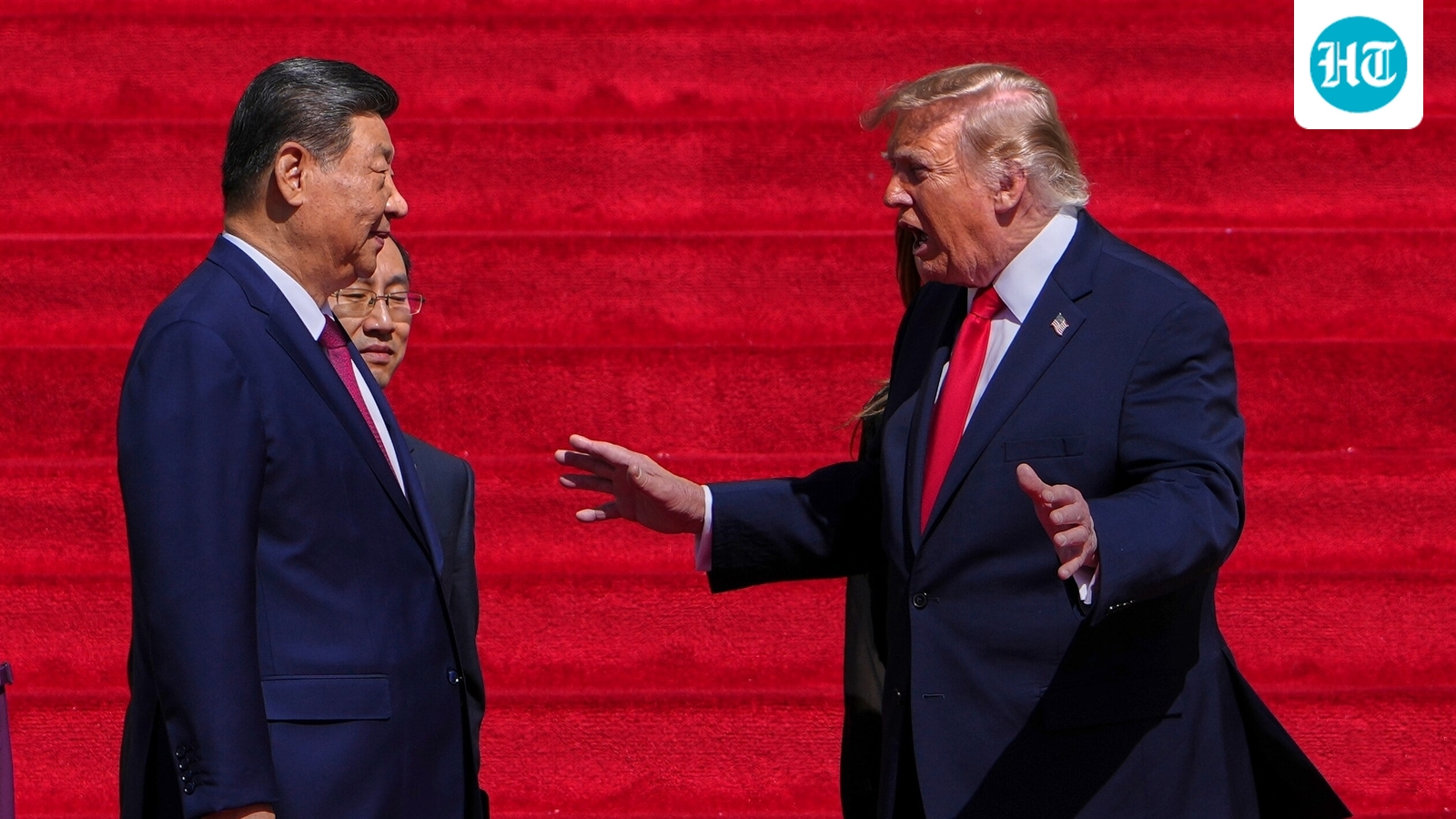
This came after Chinese President Xi Jinping held a three-day visit to the US and held bilateral meets with US President Donald Trump. The visit marked Xi’s first trip to Washington since 2015.
China’s Ministry of Foreign Affairs said the two countries agreed to carry forward the outcomes of their earlier discussions in Kuala Lumpur and establish a trade council to continue economic and trade talks.
The latest agreement comes after the US and China agreed to extend their existing trade truce by two months. The extension gives the two countries additional time to work towards a broader trade agreement, US Treasury Secretary Scott Bessent had said.
Also Read: Trump rolls red carpet for Xi: What was achieved, what wasn’t, and why India is watching
Why did the US and China impose tariffs?
The US-China tariff dispute stems from long-running tensions over trade between the world’s two largest economies. The US has cited concerns over its trade deficit with China, Chinese trade practices and intellectual-property issues as reasons for imposing tariffs on Chinese goods, according to The Guardian. The US began imposing a series of tariffs on Chinese imports in 2018, with the measures aimed at addressing concerns over China’s trade practices and policies.
China responded by imposing tariffs on US goods as a countermeasure to the American duties. China has described the US tariffs as unilateral measures and said they violate international economic and trade rules, according to statements reported by HT. Beijing has also used other trade measures, including export controls on certain rare-earth elements and restrictions on some US entities.
The two sides subsequently went through repeated rounds of tariff increases and retaliation. The US Congress noted in a Congressional Research Service report that China has fewer goods on which to impose tariffs because it exports substantially more to the US than it imports, leading Beijing to also use non-tariff measures such as export controls and market restrictions.
In 2025, the escalation continued, with the US repeatedly increasing tariffs on Chinese goods and China responding with higher duties on American imports. HT reported at the time that China described the US measures as “bullying and coercion” and said it would take countermeasures if Washington continued raising tariffs.
Xi, Trump hold summit in Washington
Trump and Xi met at the White House on Thursday for several hours before joining a state dinner attended by senior government officials and business leaders. Those present included Alphabet CEO Sundar Pichai, Microsoft CEO Satya Nadella, Nvidia CEO Jensen Huang and OpenAI CEO Sam Altman, HT reported.
Both leaders highlighted the importance of stability and cooperation in US-China relations. Xi called for greater “win-win cooperation” between the US and China and said competition should be kept within appropriate limits, as reported by HT.
Also Read: Trump hails Xi meet as ‘very productive’; China President urges greater cooperation on AI
US, China agree to launch AI dialogue
Alongside the trade discussions, the US and China agreed to establish a dialogue on artificial intelligence, with talks expected to cover both the opportunities presented by the technology and the risks associated with its development.
The two countries are expected to hold another round of AI discussions in November. They will also establish a channel through which officials can communicate about incidents involving AI, according to statements from the White House and China’s Foreign Ministry, Reuters reported.
The White House said Trump and Xi agreed during their meeting to use the term “super intelligence” instead of “artificial intelligence”. Beijing welcomed the terminology and called for greater exchanges between the two countries on the development of AI, its Foreign Ministry said.
Also Read: In Xi-Trump summit pomp, pageantry has postponed pressure
Other agreements during Xi’s visit
Trade and AI were not the only areas covered during Xi’s visit. The US and China also agreed to cooperate on hosting major international meetings, including the Asia-Pacific Economic Cooperation (APEC) leaders’ meeting and the Group of 20 (G20) summit.
Trump and Xi plan to attend meetings hosted by the other country, according to statements from Washington and Beijing.
The two sides also decided that international waterways should not be subject to transit tolls imposed by individual countries or entities, according to the agreements reached during the visit.


