






The lab routinely tests for 400 substances and “now, in France, we are looking for diuretics”, he adds.
It is now 15 years since Anaïs’s encounter with Nègre and seven years since she first spoke to police.
Like many of the other accusers, she is frustrated at the length of time it is taking for Nègre’s case to come to court.
Meanwhile, the alleged perpetrator has continued to work in human resources, according to Fondation des Femmes, a women’s rights group that is supporting about 30 of the women affected.
“Everything is unsettling and I am angry at how we are treated,” says Anaïs, who is now 42 years old.
She says she first spoke to police in 2019, but then heard nothing about the case until 2023, despite emailing them many times.
“For four years, I was alone with the knowledge that I was a victim. I didn’t know what to do,” she says. “I am very angry with the justice system.”
Marie-Hélène describes this waiting as “secondary victimisation”.
“As a victim, I have to prove the impact, go to a psychiatrist, write specific notes,” she says.
The delays to the case have made what happened harder to bear.
“We do not necessarily feel [we are] completely taken seriously,” Marie-Hélène says.
Kalliopi Mingeirou from UN Women told the BBC that governments, police and justice systems needed to do more to tackle drug-facilitated sexual assault, and that authorities were facing “very serious challenges” and delays in cases of alleged abuse are “destroying women’s lives”.
The BBC asked the French police, judiciary and government to respond to the criticisms of their handling of the case, but they did not respond.
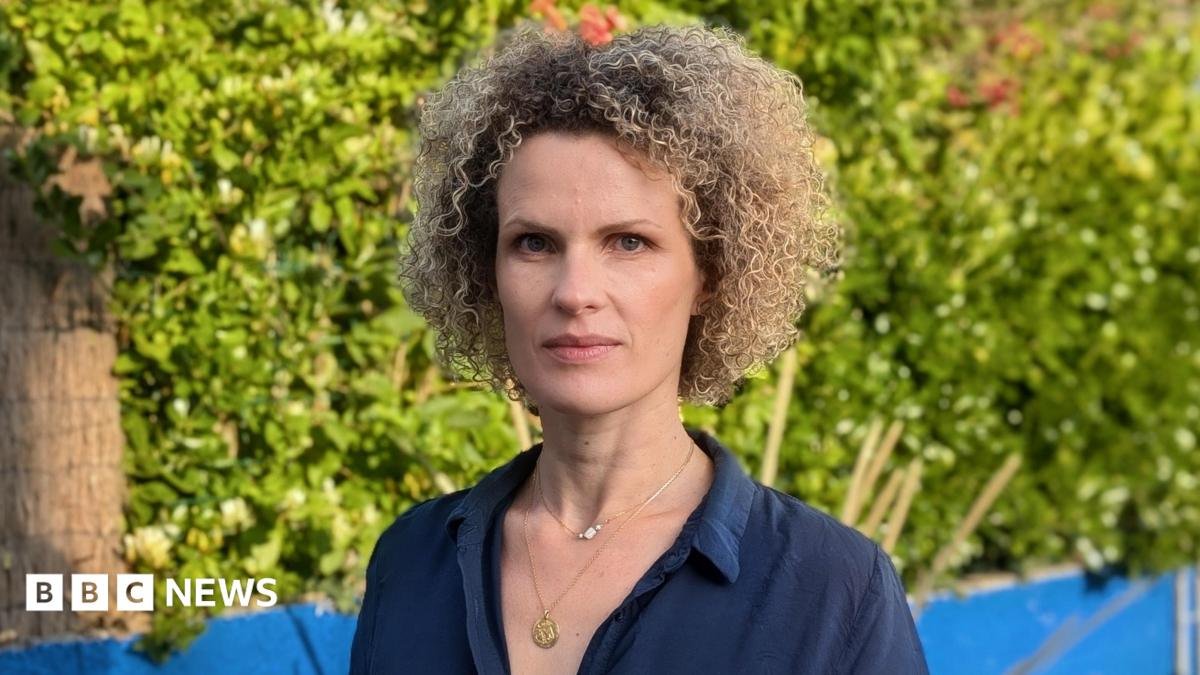
For a long time, Marie-Hélène was silent until she stopped feeling shame.
“I don’t have to hide myself – I am a victim,” she says.
“It is important for me to speak publicly because it allowed some victims to recognise themselves, to discover they were a victim and to file a complaint in turn.
“Speaking out is necessary in the world in which we live, it is important to talk about sexist and sexual violence.”


