



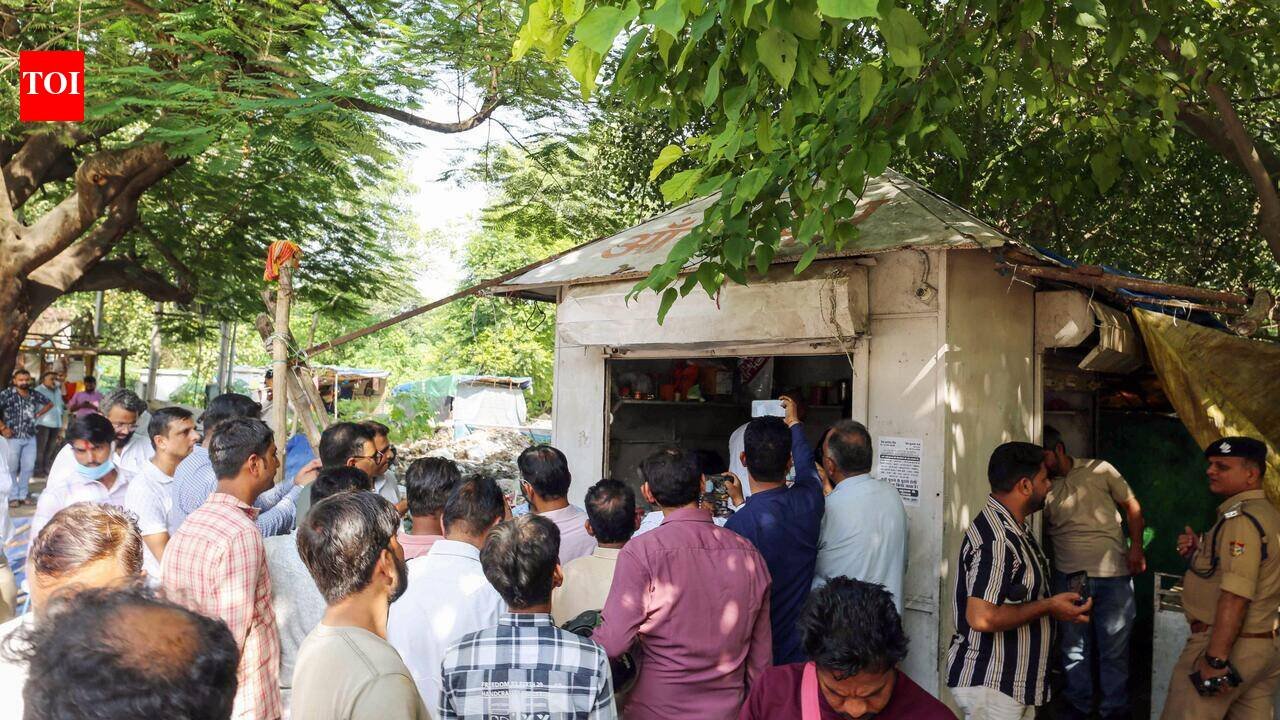
New Delhi: For many prisoners, the hardest part of a sentence may begin after the gates open.Freedom brings them back to families, neighbourhoods and workplaces, but often without acceptance, a livelihood or even a place where they feel they belong. So, the prison gates open, but the walls do not always disappear.“Acceptance from the society is very, very difficult for a person once they are outside,” says Monica Dhawan, director of India Vision Foundation, which helps inmates prepare for life after prison through skills training, employment assistance and mental-health counselling.Sometimes, she adds, the rejection comes from within the family itself. “They are looked at very badly. Especially people who have committed heinous crimes are absolutely shunned,” Dhawan says.The issue of reintegration has acquired fresh relevance following the alleged suicide of Surinder Koli in Haridwar, where he ran a tea stall.For women, returning home can be even harder. “Men still find it comparatively less difficult, but for women, it is extremely difficult to readjust. Once people are back home, they often spend the rest of their lives without any value in society or family,” she says. While women may be treated as outcasts, men can lose their authority and decision-making role within the family, she adds.Then, there is the more immediate question of survival. A criminal record can shut the door to employment in the organised sector, pushing many former inmates towards informal work or small businesses.Former Tihar Jail spokesperson Sunil Gupta says most prisoners he had seen after their release turned to driving or small ventures such as tea stalls and fruit carts. But even earning a living does not necessarily bring them back into the life they once knew.“Most people don’t want to live in the same city after they are released. They want to go as far away as possible because of the fear of being recognised. They often just want to survive in anonymity,” Gupta says.Tihar provides convicted prisoners a small grant on release to help them start a livelihood. “It is a meagre amount of about Rs 35,000-40,000. Even that is released after much difficulty,” he says.For some, however, the deepest wounds are less visible.Delhi high court lawyer Anubhav Gupta says even a few years in prison can make returning to ordinary life difficult. “Anyone who has suffered 15-20 years of incarceration faces a lot of mental-health issues like anxiety and depression. Even among undertrial prisoners, I have seen three to five years of jail do a lot of damage,” he says.“They live among hardened criminals 24×7 for so many years. It is very difficult for them to come back to the realities of society and friendships from there.”Gupta recalls a video of a prisoner given six hours’ parole for an emergency. The man was pleading to be released on bail, saying one of his kids had died while another was on a ventilator.“He was considered a hardened criminal, but he was also suffering. That says something about the realities of prison,” Gupta says.Rehabilitation groups often try to prepare inmates for that difficult transition through skills programmes, counselling and assessments before their release. Hussain Zaidi, a counsellor with India Vision Foundation, says shame over the impact of their actions on their families was a recurring concern.“Those who have committed serious crimes like murder or rape have told me that it was that momentary anger or lust that ruined their lives and those of their families. Their biggest worry is how to make everything right,” he says.Gupta pointed to Singapore’s Yellow Ribbon Project, a community initiative that seeks to reduce stigma against former prisoners and help them find employment.Women often face another barrier. Zaidi says in-laws may refuse to accept them, leaving many dependent on their maternal families. Even there, he says, some are excluded from family functions and social gatherings and made to feel like outcasts.“Many women who are forced to stay with their in-laws eventually end up back in prison because living with them feels like a bigger torture,” he says.Delhi-based lawyer Manish Jain says the country lacks a formal system to support people once they leave prison. “Once they are out of jail, they are on their own. Legally, there is no department that is supposed to keep an eye on them. Most depend on their families or find help through an NGO,” he says.Jain says govt needs a stronger rehabilitation programme so that life after a sentence is “liveable”.Senior advocate Indira Jaising, who intervened to stop Koli from being hanged in 2014, has also advocated prisoners’ right to live with dignity.
