



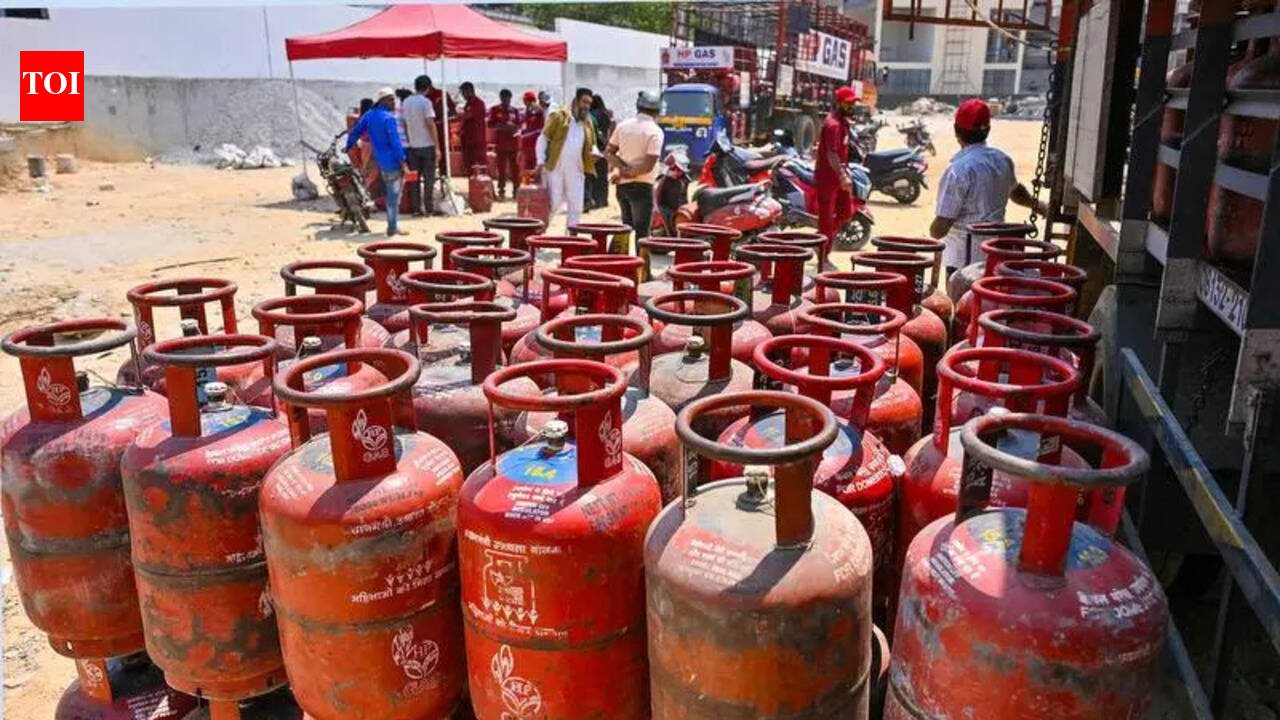
Bengaluru: As LPG shortage pushes them to explore alternatives, many restaurants across the city say switching to induction cooking is easier said than done. Between limited sanctioned electricity loads and an already stressed power infrastructure, relying on multiple electric stoves may not be a practical option for large-scale cooking throughout the day, say restaurateurs.While many households have begun panic-buying induction stoves as a temporary substitute for LPG, restaurateurs point out that commercial kitchens operate on a completely different scale. Large batches of food, high-flame cooking, and peak-hour demand make induction an unreliable option, forcing several eateries to trim their menus or alter cooking methods.Chandrashekar Hebbar, honorary president of Karnataka State Hotels Association, told TOI that more than 20% of restaurants across Bengaluru are already affected by the LPG shortage, though many establishments are reluctant to publicly acknowledge the disruption. “A majority of hotels are affected and many have started limiting their menu to rice-based items and food that requires less LPG,” he said, adding that switching entirely to induction cooking is impractical for most establishments.Another major constraint is power load capacity. According to Hebbar, most restaurants do not have the sanctioned power needed to run several induction stoves simultaneously. “We may need higher sanctioned load to support this kind of additional demand. Also, the more appliances we use, the greater the load on transmission lines which are already overburdened,” he explained.For now, restaurateurs are using induction stoves only for limited tasks. “Activities such as heating milk or preparing coffee, tea, and snacks can be done using induction stoves. But it would be impossible to prepare items like idli, dosa, or curries entirely on induction during peak hours,” said Ramesh Kamath, who runs a darshini in Jayanagar.Apart from these operational challenges, the economics of switching to electricity is also discouraging. “The electricity bill would rise considerably compared to LPG expenses. Induction may work temporarily for a few items, but running an entire commercial kitchen on electricity is extremely expensive,” said Sanjay Pate, who runs a restaurant in Indiranagar.Energy department officials, however, maintain that a temporary shift to electric stoves will not significantly strain the state’s power grid. “In 2025, the state witnessed a peak demand of about 18,000 MW. Currently, the peak demand is 8,000 MW to 9,000 MW. Even if there is widespread usage of electric stoves it will not make a big impact on consumption as it would increase the demand by a few hundred megawatts; the state is prepared to address such a surge in demand. Normally, in a month, an induction stove for a family of four would consume 2-4 units a day,” a Karnataka Power Transmission Corporation (KPTCL) engineer said.Association seeks power rebateBangalore Hotels’ Association has appealed to chief minister Siddaramaiah to provide relief in terms of electricity charges.The association submitted a representation requesting the govt to grant a rebate of Rs 2 per unit for hotels and restaurants until the gas supply situation stabilises. It argued that such a measure would help eateries manage rising operational costs and prevent further strain on the sector. Highlighting that thousands of small and medium-sized eateries depend on a stable fuel supply to sustain their daily operations, the association appealed to the govt to intervene quickly and support the sector.


