






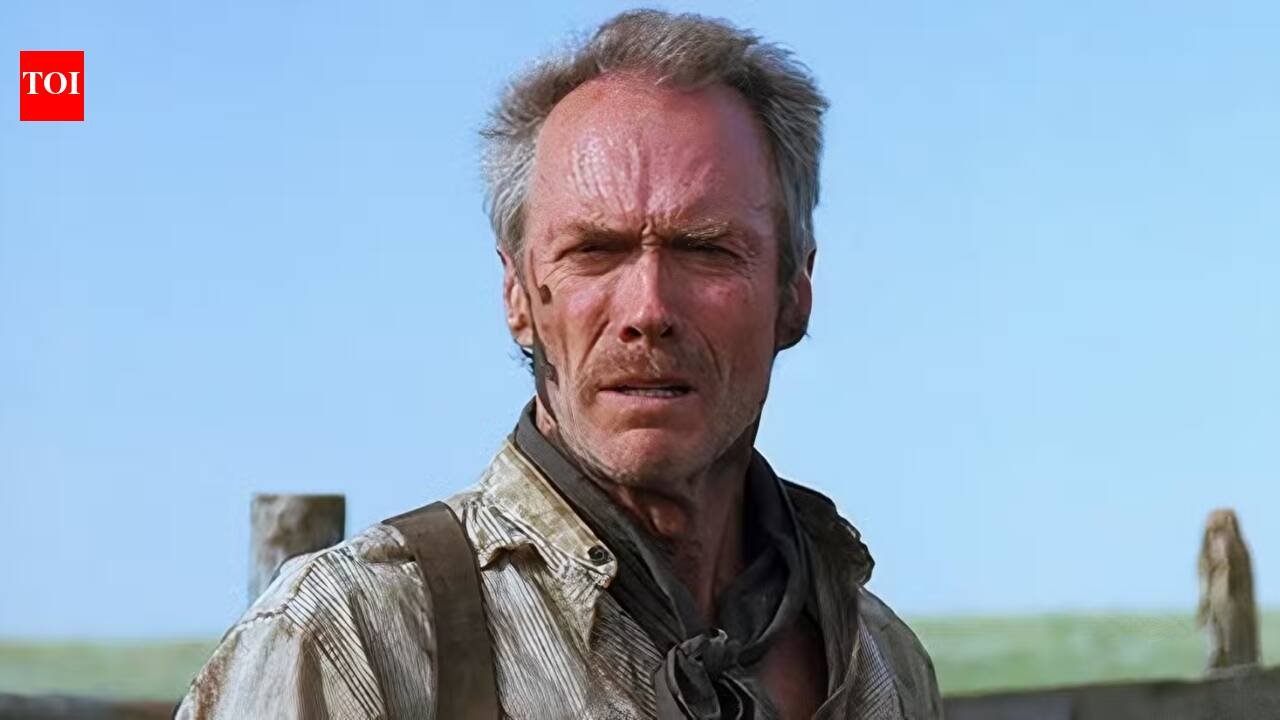
Clint Eastwood first visited the Carmel-by-the-Sea area in 1951 when he was stationed in the nearby area at Fort Ord as a young Army recruit. He loved the place so much that he started buying pieces of land along the coastal hills and Malpaso Creek in the late 1960s and 1970s, eventually expanding his holdings over several decades into a 2,000+-acre footprint.
Clint Eastwood started buying land in the Carmel-by-the-Sea area in the 1960s
Known as Teháma, a private sustainable community located in the hills above Carmel-by-the-Sea and Monterey, California, the actor started investing in land around the 1960s after he fell in love with the coastal area. In 2007, while talking to Land Report about his massive estate and his love for the place, Eastwood shared, “I always liked Carmel. I thought if I could ever afford to or figure out how to make a living there, I might like to live there.”His first investment in the area almost 40 years ago was a “little house as a weekend retreat,” as per the interview, which became the first of many that have now accumulated into a wide 2,000-acre protected community area. Another significant addition to this acreage was the Mission Ranch, which he bought out in 1986. At the time, developers planned to build high-density condominiums on the historic 1850s dairy farm. Eastwood stepped up during his tenure as mayor of Carmel and purchased the 22-acre ranch for roughly USD 5.5 million. He later restored the historic structures and legally protected the surrounding wetlands from future development. The ranch now operates as a thriving hotel and restaurant.
Clint Eastwood wanted to protect the land there
The beloved actor also wished to protect the land that he had fallen in love with in the 1950s. Around 1995, the star sold off approximately 280 coastal acres of land that he owned, which was located near the Malpaso Creek in Monterey County, for USD 3.08 million using California Proposition 70 public conservation funds. The land was then placed under a permanent conservation easement, removing all future residential development rights. To date, the area is part of protected land, and people cannot build or develop anything there.
Clint Eastwood established Teháma
According to the Teháma Carmel Community official website, Eastwood also established the area and turned it into a sustainable community space during his time as the mayor of Carmel. At the time, he connected with Alan Williams and later hired him as a consultant. They came together to create the sustainable community as a way to use up his 2,000 acres of land.Later, in 1997, when he found out about commercial development plans at the mouth of the Carmel River, Eastwood acquired and donated 134 acres of the historic Odello Artichoke Fields, which were valued at approximately USD 6 million, to the Big Sur Land Trust. This ended up forming the core piece of the Carmel River floodplain restoration initiative, another major project that Eastwood supported.
85% of the land remains wild and untouched by human development
The sustainable community finally came to be in 1999, with over 1,700 acres out of the 2,000 acres permanently set aside for open-space protection, which means that around 85% of the land will remain wild and untouched by commercial development. Not only that, but the development plans are also limited to 90 single-family homesites that are spread across only 300 acres, leaving vast oak woodlands and wildlife spaces intact and untouched.While talking to Land Report about the same, Eastwood had shared, “It’s been amazing how the wild turkeys have done. The deer multiply like crazy. They’ve become much less skittish. Just hanging around for free food. There’s a lot of wildlife there, especially since we put in the golf club. We did it all with native grasses. The only thing we seeded was the greens… We didn’t cut a lot of trees. We moved a few around: 200- and 300-year-old oaks. Slide them 25 yards over. The trees are very healthy up there. Much younger.”As to why he went through all of this effort to preserve the land, Eastwood had explained at the time: “We thought someone might take the land and turn it into a much more congested area or just not take care of it. I thought, someday people are going to want some privacy, and they’ll get tired of living crammed next to each other. And that’s really it.”Clint Eastwood continues to live in a private residential enclave and compound he helped develop in Teháma.


