



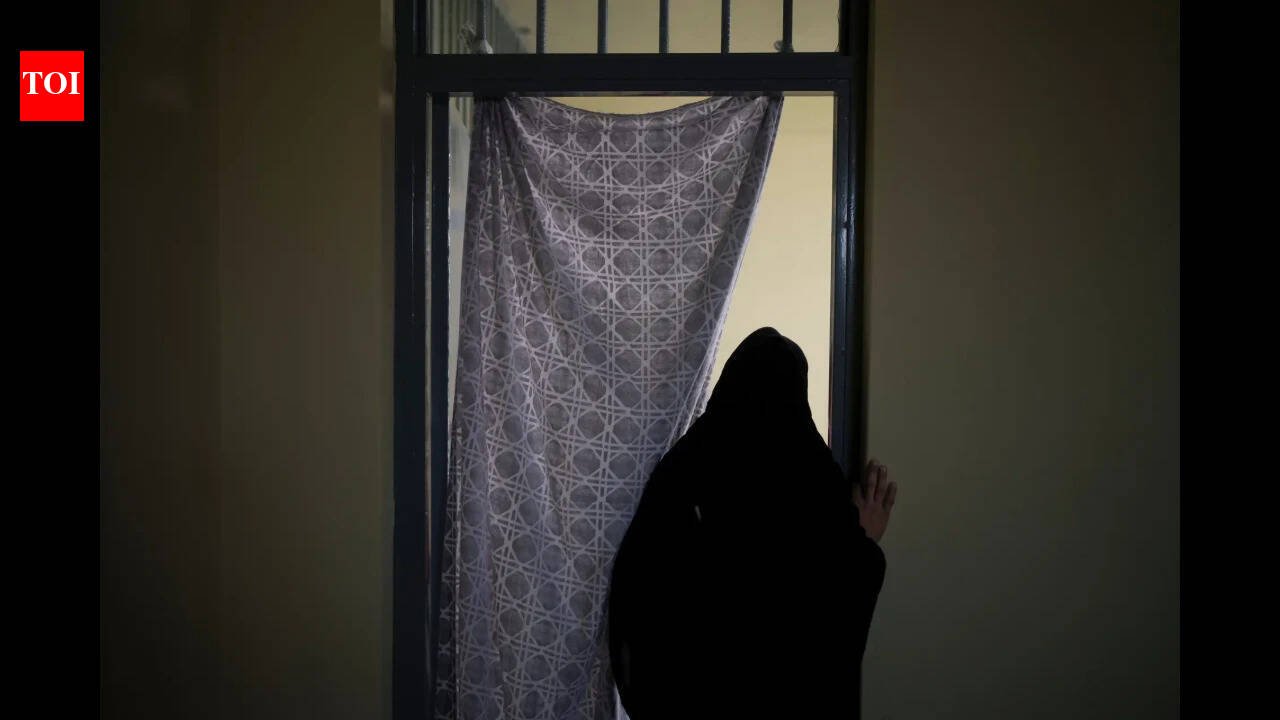
An estimated 2.4 million Afghan girls remain excluded from secondary education, five years after the Taliban returned to power, according to a report by Unesco.Unesco said Afghanistan remains the only country in the world where girls and women are formally barred from secondary and higher education, calling the continued exclusion a grave violation of their fundamental rights. Hoda Jaberian, Unesco’s programme coordinator for education in emergencies, said five years amounted to almost an entire secondary-school cycle and called for the restrictions to be lifted immediately and without conditions.The Taliban seized power on August 15, 2021, as US and Nato forces withdrew after two decades of war. It soon shut girls out of secondary schools and later extended the restrictions to universities, employment and other areas of public life. The Taliban has maintained the bans despite appeals from the UN, humanitarian organisations, human-rights groups and several Islamic countries, while insisting the issue is a domestic matter.The restrictions have reversed much of the progress Afghanistan made in girls’ education over the previous two decades. In 2001, girls had severely limited access to schooling, but by 2021 nearly 1 million girls were enrolled in secondary education.Unesco has continued supporting community-based education, literacy and skills programmes as an alternative route to learning. Classes are held in community spaces and, in some cases, inside the homes of literacy facilitators, with the knowledge of authorities. The agency said it has more than 1,000 literacy facilitators, most trained by Unesco and its partners.Jaberian said Unesco would continue working with communities to preserve educational opportunities while the restrictions remain, arguing that Afghan learners cannot simply be abandoned because formal schooling has been denied to them.


