





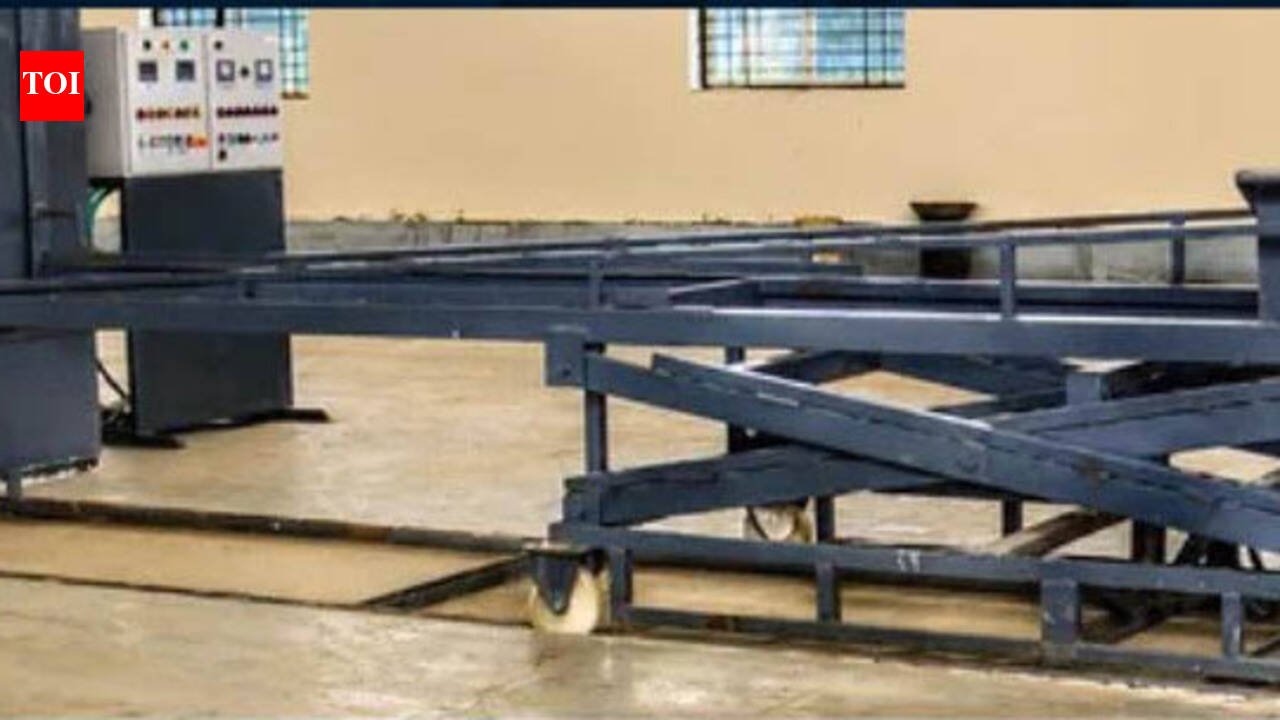
Bhubaneswar: The city’s first small animal crematorium came up on Monday. CM Mohan Charan Majhi inaugurated it on Local Self-Governance Day through virtual mode. The LPG-based crematorium can handle 500 small animal carcasses in a month.Bhubaneswar Municipal Corporation (BMC) officials attributed its setting up to providing citizens a scientific, hygienic, and environmentally sustainable facility to dispose of deceased small animals with dignity within the city.“The crematorium is equipped with modern cremation infrastructure designed to ensure eco-friendly carcass disposal while minimising public health risks and environmental pollution. It will significantly strengthen BMC’s animal welfare and sanitation management services, serving as an essential public utility for the citizens of Bhubaneswar,” said Debi Prasad Kund, who is in-charge of BMC’s animal birth control cell.On an average, BMC deals with at least 10 stray animal carcasses in a day, which it currently buries. “People kept opposing burial of animals close to any locality and thus, decision was taken for incineration. Except cattle, all small animals’ carcasses would be disposed of using the gas-based incineration method for a safe, effective, quick and environment-friendly way,” Kund explained.He said this is as good as a gas-based crematorium that BMC has created at many human crematoriums. It has hired a private party to run and maintain it under certain conditions. BMC officials said the crematorium would help cut time and cost and make disposal easier. “As per the current practice, we bury the carcass after the health wing of the civic body lifts dead animals. But now they would be burnt in an incinerator,” said a BMC officer.BMC officials said disposing of carcasses of stray dogs and cattle in urban areas is a challenging task, as burial is not a long-term solution and requires space.Additionally, BMC plans to procure three specialised vehicles to lift abandoned carcasses. When the BMC receives reports of abandoned carcasses in a locality, sanitary workers of that particular area are informed to lift the carcass and carry it in a pushcart or tricycle. This process is time-consuming, and handling the carcass lifting is also hazardous, BMC officials said.


