



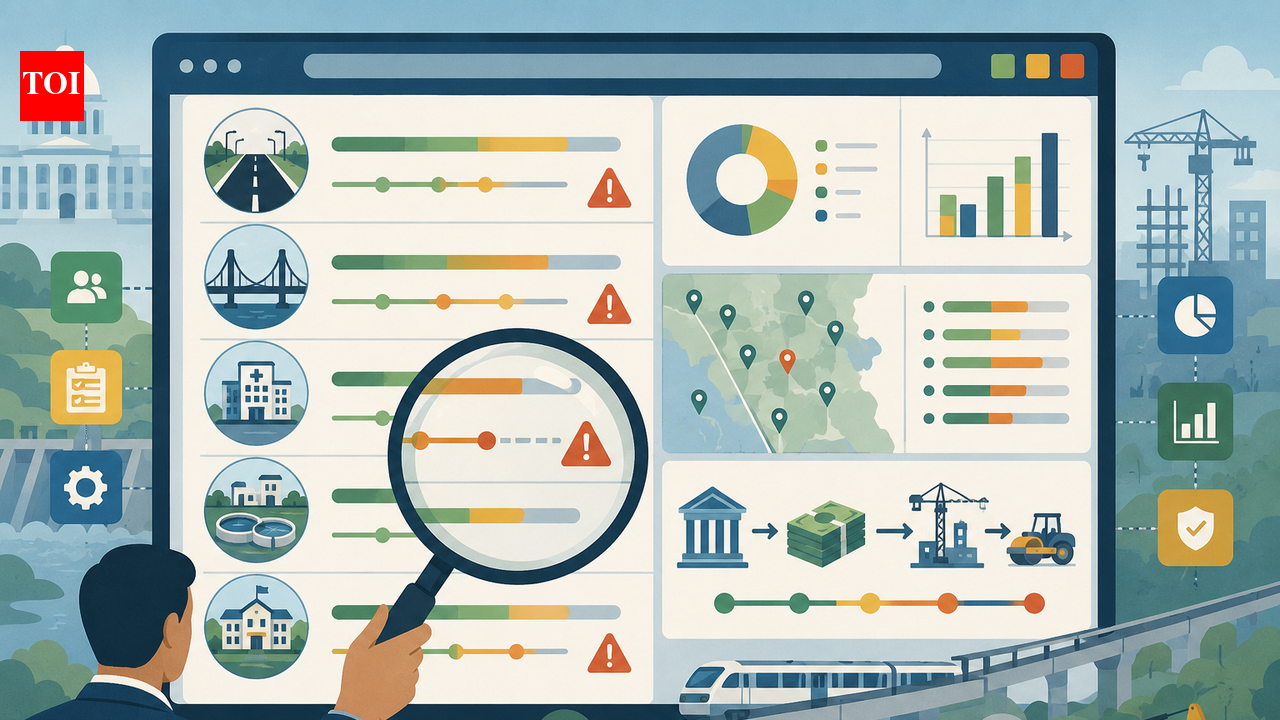
KP.SaikiranThiruvananthapuram: The cash-strapped state finance department has tightened scrutiny under this year’s concurrent evaluation and monitoring of schemes (CEMS), directing officials to closely examine payment delays, diversion of funds, incorrect expenditure reporting and implementation bottlenecks in 33 schemes across eight departments.CEMS tracks the physical and financial progress of govt schemes during implementation. It will cover programmes under the higher education, fisheries, women and child development, health and family welfare, transport and communication, public works, tourism, and cultural affairs departments. Major schemes announced in the 2026–27 budget will also be evaluated separately through CEMS, according to a finance department circular.The circular states that CEMS is intended to provide real-time analysis of programme implementation, by measuring actual progress in both physical and financial terms. It also aims to accelerate implementation by identifying bottlenecks, reporting them promptly, and strengthening coordination among departments and implementing agencies.Besides reviewing delays and incorrect reporting of expenditure, finance department teams will examine procedural lapses, non-execution of approved project components and deviations from scheme guidelines. Any major deficiencies or irregularities will be reported to the departments concerned for corrective action.Each selected department, public sector undertaking and autonomous body has been directed to appoint a liaison officer to coordinate with the finance department throughout the evaluation. The officer will facilitate data collection, assist field inspections and departmental reviews, and ensure timely submission of action-taken reports on the finance department’s recommendations.The circular also requires the selected departments to submit monthly progress reports by the 10th of every month, detailing physical targets, financial allocations and expenditure. These reports will enable the finance department to compare planned outcomes with actual progress and identify emerging implementation issues.Alongside CEMS, the finance department will prepare performance budgets for the agriculture development and farmers’ welfare, forests and wildlife, water resources, scheduled castes development and scheduled tribes development departments.These documents, tabled in the legislative assembly with budget papers, will assess whether budget allocations resulted in measurable outcomes and will review three-year expenditure trends, pending utilisation certificates, unspent balances, and the performance of public sector undertakings, autonomous bodies, and grant-in-aid institutions under each department.


