



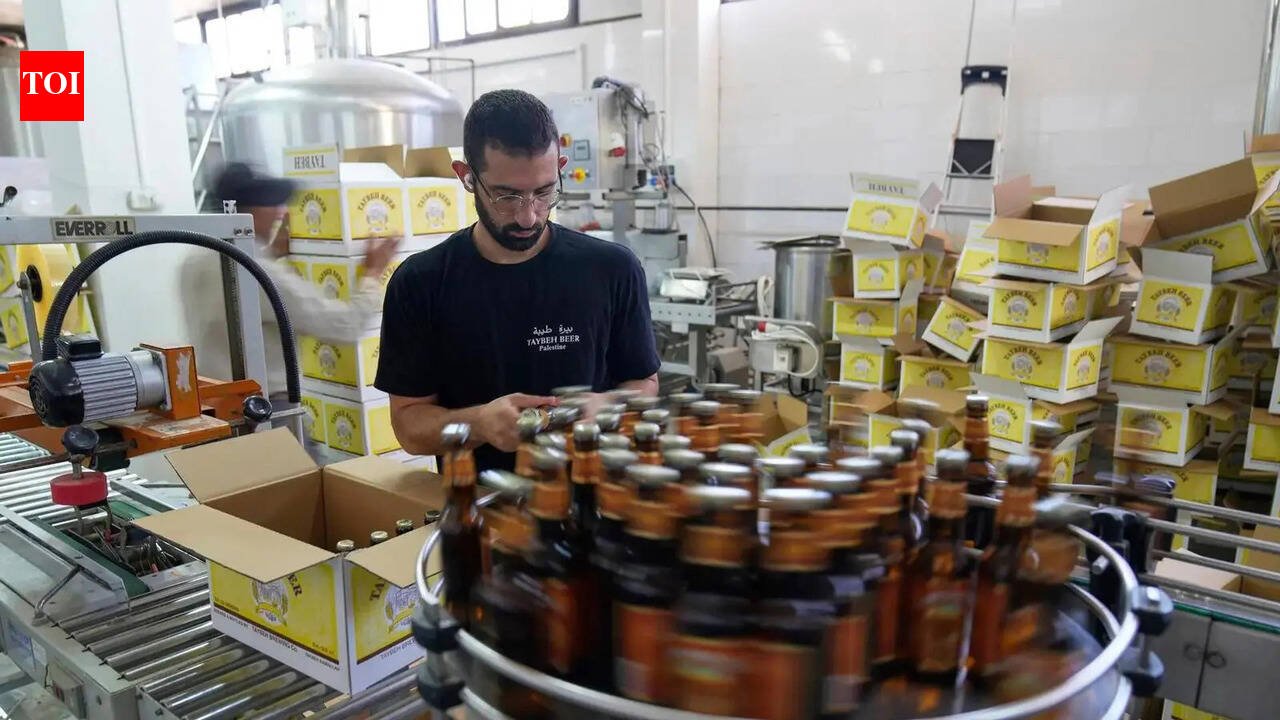
Unlike some of the soft drinks majors, for beer makers, cans are not a worry, but bottles are. Bottles, which make up for as much as 40-45% of the cost, and are used in nearly 80% of the sales are in short supply, prompting companies to seek a 15-20% increase in prices and release of payments from the states.Although companies are complaining of aluminium supplies being affected due to the Strait of Hormuz blockade, beer industry representatives said that they were not encountering shortages, with nearly 80% of their requirement met domestically. “The gas shortage is affecting bottle manufacturers and along with an increase in the cost of cartons, the industry is grappling with significant price pressure,” said Vinod Giri, director general of Brewers Association of India.While gas supply has been stepped up, it is nowhere close to pre-Feb 28 levels with companies depending on the fuel having to tackle supply as well as price issues.Giri said that companies as well as the industry body are in talks with state govts and the higher cost must be shared by manufacturers, consumers and govt. For states, excise is a major source of revenue and a critical one.“Costs have gone upsharply across raw materials and packaging, and we are also seeing pressure on supplies, especially glass and cans. This is happening as demand is picking up, which adds to the complexity for the industry. Pricing is regulated in most states, with limited ability to pass on increases. For the industry to remain sustainable, it becomes important for pricing and taxation to stay balanced, with support from govts. In the meantime, the industry is managing through cost efficiencies and tighter capital discipline. Continued engagement between industry and policymakers is important to maintain stability, ensure consistent supply for consumers and support state revenues,” said United Breweries CEO Vivek Gupta.Some state govts have begun moving and have sought cost details from companies. Industry representatives pointed out that till prices are increased there are several ways in which states can help. Some states levy a manufacturing levy, which can be reduced, while others can release some of the payments quickly.


