



Nasal reconstruction, or rhinoplasty, is a highly specialised procedure that requires advanced surgical expertise and meticulous planning. In Kashmir, growing awareness, improved surgical expertise, and an increasing number of patients seeking correction of nasal deformities have brought rhinoplasty into greater focus. While demand for the procedure is rising, ensuring optimal functional and aesthetic outcomes remains a challenge.
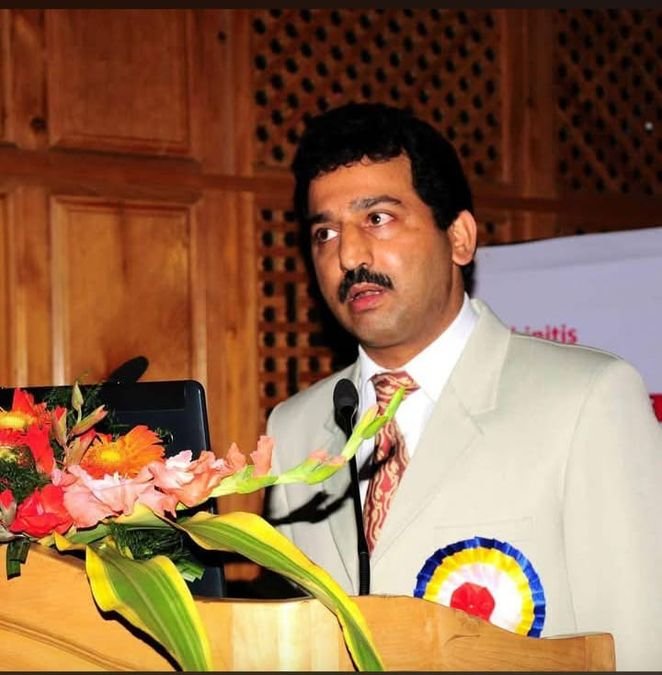
In an interview with Rising Kashmir Health Correspondent Mansoor Peer, Dr Shafqat Islam, Senior Consultant and Head of the Postgraduate Department of ENT at JLNM Hospital, Srinagar, and a National Faculty for Rhinoplasty, discusses the common nasal deformities seen in Kashmir, latest advances in reconstructive surgery, challenges surgeons face, the role of social media in raising awareness, and why timely treatment after nasal injuries is crucial.
RK: What are the most common reasons patients in Kashmir require nasal reconstruction?
Dr Shafqat Islam: Rhinoplasty, or nasal reconstruction, is a highly specialised surgery that requires considerable expertise and experience. The most common patients we see have external nasal deformities such as crooked noses, depressed nasal dorsum, hump nose, over-projected nose, deviation of the nasal axis, cleft nasal deformities, and Binder’s nose. These conditions may be congenital, developmental, or the result of trauma.
RK: Have you noticed an increase in cases due to road accidents, trauma, burns, or cancer?
Dr Shafqat Islam: Yes, there has been a definite increase in the number of patients seeking consultation and undergoing rhinoplasty. This rise is largely due to greater awareness through social media and the availability of surgeons in Kashmir who are now performing these advanced procedures successfully.
RK: Have you noticed an increase in cases due to road accidents, trauma, burns, or cancer?
Dr Shafqat Islam: Performing rhinoplasty is challenging in both government and private hospitals because patients today have very high expectations regarding surgical outcomes, largely influenced by social media. As surgeons, we must continuously upgrade our knowledge and skills by adopting the latest techniques to achieve the best possible results and meet patients’ expectations.
RK: How do you explain the difference between cosmetic rhinoplasty and reconstructive nasal surgery?
Dr Shafqat Islam: Unlike many patients in Western countries, who often seek cosmetic correction for minor imperfections, patients in Kashmir usually require both functional and aesthetic correction. They not only want to improve the appearance of their nose but also restore proper breathing, often because of significant deformities caused by trauma or congenital conditions. With increasing awareness through social media, patients now come with better knowledge of the available treatment options.
RK: How important is early treatment after nasal injuries, and what mistakes do patients commonly make?
Dr Shafqat Islam: Traumatic nasal deformities constitute a large proportion of the patients requiring reconstructive surgery. Unfortunately, many patients delay treatment after sustaining nasal fractures or facial injuries. Early diagnosis and timely management can often prevent permanent deformities and reduce the need for complex reconstruction later. Greater awareness is needed among both the public and healthcare providers regarding the importance of early intervention.
RK: What advanced techniques are available for nasal reconstruction, and can patients access them locally?
Dr Shafqat Islam: We perform all the latest rhinoplasty and nasal reconstruction techniques currently practiced worldwide. Alhamdulillah, the high level of patient satisfaction reflects the quality of care we provide. We are also treating a significant number of patients from outside Jammu and Kashmir, including those from Gulf countries and the United Kingdom, who come here specifically for these procedures.
RK: What message would you give people about preventing nasal injuries and seeking timely care?
Dr Shafqat Islam: My message is simple: people with traumatic or congenital nasal deformities should know that the expertise and experience required for these surgeries are available here in Kashmir. At the same time, everyone should take precautions to prevent road traffic accidents and facial injuries, particularly among school-going children. Most importantly, seeking expert medical advice immediately after a nasal injury can make a significant difference in the final outcome.
RK: How important is social media in creating awareness about rhinoplasty?
Dr Shafqat Islam: Social media has become an effective platform for educating people about rhinoplasty and nasal reconstruction. A significant number of our patients now reach us after learning about these procedures online. Besides social media, we regularly conduct Continuing Medical Education (CME) programmes and rhinoplasty workshops to spread awareness among both patients and healthcare professionals. I have also been invited as operating faculty at numerous state and national conferences and workshops, where I perform live surgeries and train fellow ENT surgeons in the latest rhinoplasty techniques.


