








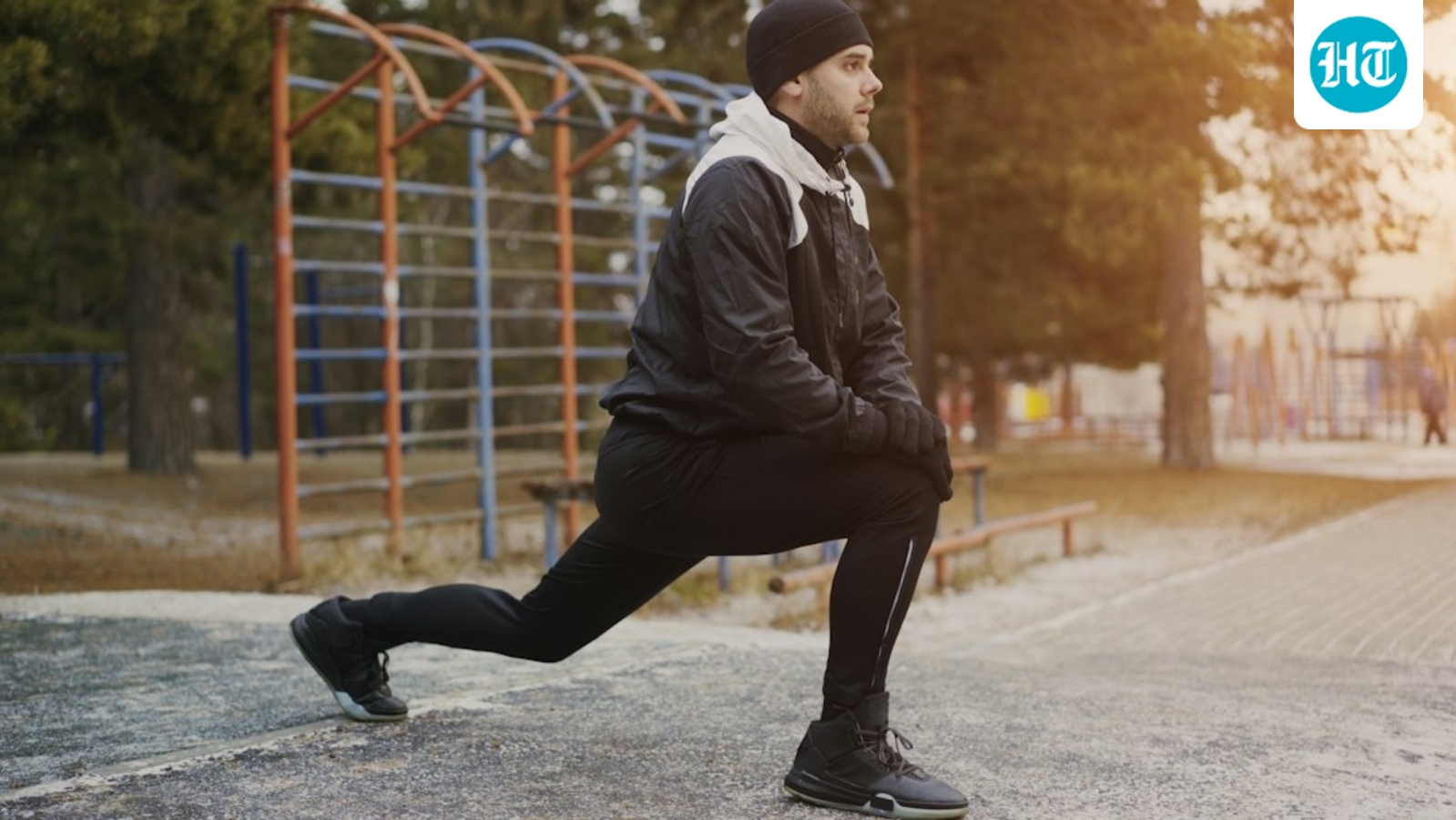
It is mid-October, and the winter chill is about to set in. In these days when the seasons change, a common condition ails many across the country, especially the elderly: stiff joints. The knees feel tight on waking up, and the first few steps of the day are often slower and more careful.
Also Read | Why can the hair continue to thin after a successful transplant? Cosmetic surgeon explains
“Research has not settled on one explanation for the link between cold weather and joint pain, but the pattern that follows is clearer. People move less when it is cold, the muscles around the knee lose some of their warmth and flexibility, and a joint that is used less tends to feel stiffer still,” shared joint and knee replacement surgeon Dr Sushil Sharma with HT Lifestyle.
He noted that the sensible response is to keep moving while adjusting how that movement is done. Dr Sharma went on to explain why the knees get affected by cold weather and what can be done about it, which is presented as follows.
Why does the knee react to cold?
Dr Sharma pointed out the knee relies heavily on the muscles around it, particularly the quadriceps at the front of the thigh and the hamstrings behind.
“In cooler air, these muscles tighten, and the tissues that stabilise the joint become stiffer during the first few minutes of movement. For people with osteoarthritis, this is usually when stiffness is most noticeable,” he stated.
How to stay active during season change?
1. Warm up before stepping out
One should not miss a warm-up ahead of exercise, or even taking a walk. In the words of Dr Sharma, “Ten minutes of indoor preparation makes the first kilometre of a walk considerably easier.”
“Begin while still seated or lying in bed, with slow ankle circles, gentle knee bends, and straight-leg raises, then march on the spot for a few minutes,” noted the surgeon. “The aim is to raise muscle temperature and move fluid through the joint before it takes the load of a full walk.”
If one is going out for a walk in the cool mornings, wearing layered clothing and a snug knee sleeve, if comfortable, helps retain that warmth, shared Dr Sharma.
2. Keep the weekly target in sight
Dr Sharma noted that the World Health Organisation recommends that adults accumulate at least 150 to 300 minutes of moderate-intensity aerobic activity every week, before sharing his suggestions on how to accomplish it.
“Three ten-minute sessions across the day count just as well as one long walk, and on cold or polluted days, stationary cycling, a heated pool or a routine of step-ups and sit-to-stand repetitions can fill the gap,” he stated. “Low-impact choices are generally kinder to the knee than sudden bursts of running or stair climbing.”
3. Strengthen what supports the joint
The surgeon stated that stronger thigh and hip muscles share the load that would otherwise fall on cartilage. Two or three short strength training sessions a week, built around partial squats, glute bridges and wall sits, can steady the knees for many people.
“Progress should be gradual,” highlighted Dr Sharma. “Discomfort that settles within a day is acceptable, but sharp pain, visible swelling or a knee that gives way is a signal to stop and seek an assessment.”
4. Choose the right hour
In the words of Dr Sharma, “Late morning or early afternoon, once the day has warmed, is often more comfortable than a pre-dawn walk.”
“Winter need not interrupt an active routine; a deliberate warm-up, a realistic weekly target and steady strength work help the knees stay mobile through the season,” he added.
Note to readers: This article is for informational purposes only and not a substitute for professional medical advice. Always seek the advice of your doctor with any questions about a medical condition.
Dr Sushil Sharma is a senior consultant (joint and knee replacement surgeon) at Kailash Hospital, Noida, with over 35 years of experience.


