






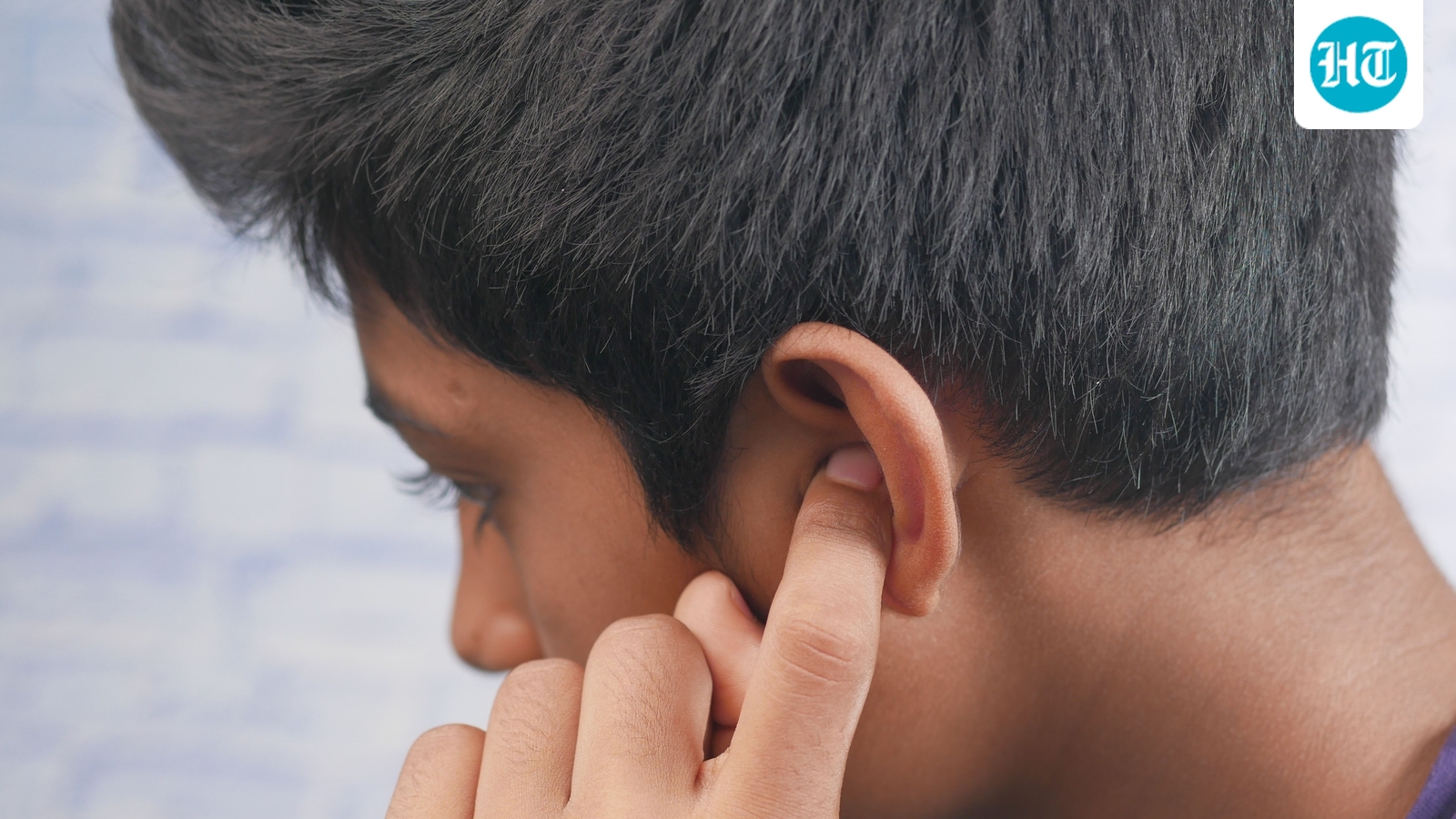
Most people experience ear popping during take-off and landing while flying. While it is a common occurrence, it can become a health concern for some. In this edition of HT Lifestyle’s Everyday Explained, we spoke to Dr Pooja Pillai, consultant physician and diabetologist at Aster CMI Hospital, Bengaluru, to understand the reasons behind this problem.
Why do your ears pop during a flight?
“Ear popping during a flight is a common physiological response to changes in air pressure, particularly during take-off and landing,” said Dr Pillai. The sensation occurs because the pressure inside the middle ear temporarily becomes different from the pressure in the surrounding environment. The middle ear is connected to the back of the nose and upper throat through a narrow passage called the Eustachian tube, which helps equalise pressure on either side of the eardrum.
Dr Pillai highlighted that under normal circumstances, the Eustachian tube opens briefly when we swallow, yawn or chew, allowing air to move in and out of the middle ear. During a flight, cabin pressure changes relatively quickly, especially as the aircraft descends. The Eustachian tube may not adjust the pressure immediately, creating a pressure difference across the eardrum. This can cause the familiar popping or clicking sensation, along with temporary muffled hearing, a feeling of fullness in the ears, or mild discomfort.
Ear discomfort is often more noticeable during descent than ascent. As the aircraft descends, cabin pressure increases, and the pressure in the middle ear may remain relatively low. This creates a pressure imbalance that pushes the eardrum inward. During ascent, the pressure in the cabin decreases, and air can generally escape from the middle ear more easily. However, individual experiences vary depending on Eustachian tube function and existing nasal congestion.
How to manage ear discomfort?
According to Dr Pillai, simple measures can help relieve the discomfort. Swallowing frequently, yawning, chewing gum or sipping water encourages the Eustachian tube to open and equalise pressure. If the ears remain blocked, gently pinching the nose, closing the mouth and blowing very lightly may help. This manoeuvre should never be performed forcefully, as excessive pressure can injure the ear. Staying hydrated and managing nasal congestion before flying may also help, particularly for people who have a cold, allergies or sinus congestion.
People with an upper respiratory infection, allergic rhinitis or sinusitis may be more susceptible to ear pain during flights because inflammation and congestion can interfere with the normal functioning of the Eustachian tube. Children are also more prone to flight-related ear discomfort because their Eustachian tubes are narrower and may not equalise pressure as efficiently.
“In most cases, the popping sensation is harmless and resolves once pressure equalises. However, severe or persistent ear pain, significant hearing loss, dizziness, or fluid or blood coming from the ear should not be ignored,” said Dr Pillai. These symptoms may indicate pressure-related injury, known as barotrauma, and warrant medical evaluation. If someone has a significant ear infection or recent ear surgery, they should seek medical advice before flying.
Note to readers: This article is for informational purposes only and not a substitute for professional medical advice. Always seek the advice of your doctor with any questions about a medical condition.


