


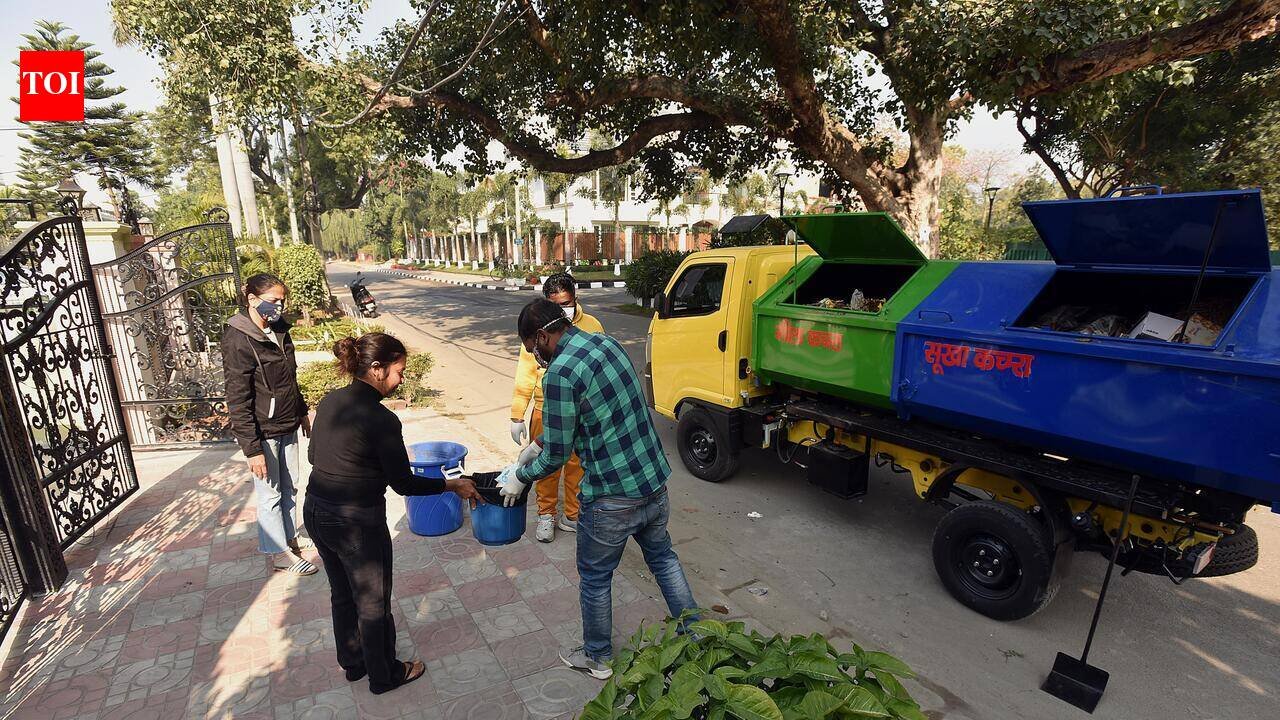
Chandigarh: Nine years after rolling out door-to-door waste segregation, Chandigarh is finally plugging one of the biggest gaps in its garbage collection network. Around 10 densely populated residential pockets — most of them villages and colonies that have long remained outside the formal waste collection system — are set to be brought under segregated waste collection, a move civic officials hope will strengthen the city’s faltering cleanliness drive.For years, residents of these areas had little option but to dump waste in open spaces, vacant plots and roadsides as no organised system for collection and disposal existed. Now, after more than three years of deliberations, negotiations and planning, the municipal corporation (MC) is preparing to extend segregated waste collection services to all remaining uncovered residential areas.The areas to be brought into the fold include Attawa, Badheri, Butrela, Burail, Sector 63, Maloya village, EWS Colony Maloya, Palsora, Dadumajra village and Kajheri. Many of these localities had remained outside the segregation network primarily because of disagreements between waste collectors and the civic body over operational and financial arrangements.To bridge the gap, the MC will deploy additional manpower and vehicles, including 21 tractor-trolleys to be hired through the Government e-Marketplace (GeM) platform. The expansion is expected to cost the civic body an additional Rs 23 lakh every month, a proposal that has already received approval from the MC House.The breakthrough comes after a series of meetings between MC officials and representatives of the door-to-door waste collectors’ society. Following detailed discussions, both sides agreed to operate under user charges prescribed by the Chandigarh administration under the Solid Waste Management Bylaws, 2018. A formal memorandum of understanding has since been prepared, taking into account provisions of waste management rules as well as directions issued by the Supreme Court and National Green Tribunal.The expansion assumes significance at a time when Chandigarh is struggling to improve waste segregation at source. Although the city launched its segregation campaign on June 5, 2017, the results have remained underwhelming. In the 2025 Swachh Survekshan rankings, Chandigarh managed just 14 marks in the source-segregation category, exposing weak compliance by both residents and the civic administration.Officials have repeatedly acknowledged that while waste is eventually sorted at material recovery facilities, segregation at the household level remains poor. Mixed garbage continues to be handed over to waste collectors, undermining the very purpose of source segregation. By bringing the last remaining residential pockets into the system, the MC hopes to ensure that every household in the city becomes part of the segregation chain — a crucial step if Chandigarh is to improve its cleanliness credentials and reduce the burden on its waste-processing infrastructure.
