



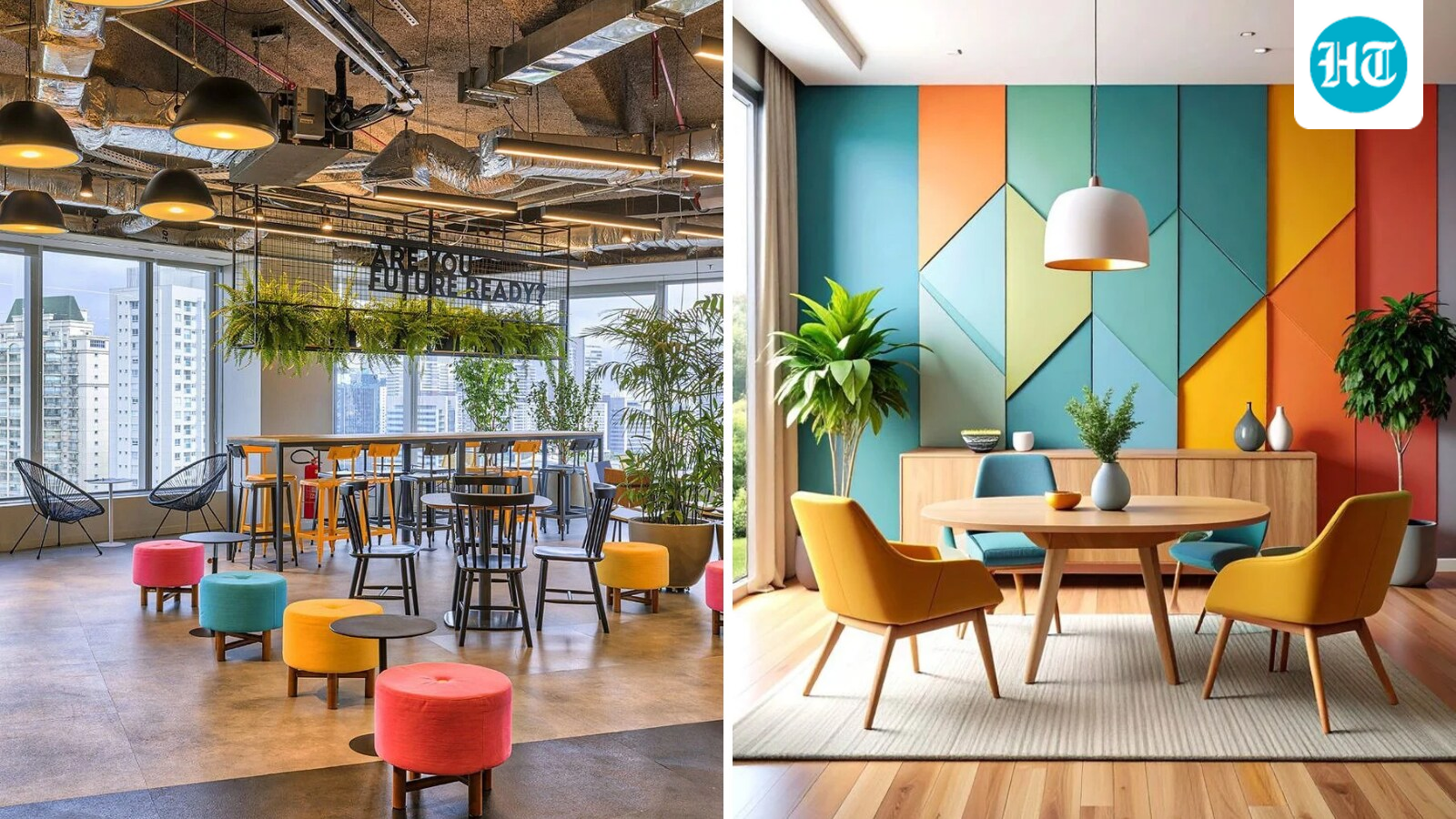
Yes, office furniture is no longer simply about meeting the basic needs of a 9-to-5 workday. From adjustable desks and ergonomic chairs to flexible workstations, furniture is increasingly being designed with employee comfort and wellbeing in mind. As the working environment continues to evolve, it is not just the office chair that matters. The entire workplace needs to be designed to support comfort, movement, and different ways of working. A thoughtfully planned office can create an environment that helps employees stay comfortable, focused and productive throughout the day.
Why office furniture matters for everyday comfort?
For decades, office furniture was one of the more straightforward workplace decisions. Companies calculated how many desks, chairs and workstations they needed, compared prices and durability, and placed an order. Furniture was largely treated as a fit-out cost, says Maanoj Tomar, Founder, AFC Furniture Solutions.
A typical workday can involve sitting for long hours, which can lead to back pain and screen fatigue. For example, A poorly adjusted chair, a desk that is too high or low, or a monitor positioned incorrectly can make a workspace feel uncomfortable over time. This is why ergonomic design focuses on adjusting the workstation to the person rather than expecting everyone to work from the same fixed setup.
Why is hybrid work changing office furniture?
Hybrid working has made flexibility increasingly important. Offices can no longer be planned simply around maximum seating capacity. Different teams may need different environments at different times, depending on the type of work they are doing.
A modern workplace may require:
- Quiet zones for focused work
- Adaptable workstations for individual tasks
- Collaborative settings for smaller teams
- Meeting spaces for larger groups
- Informal areas for discussions and interactions
This means furniture needs to accommodate more than one working style.
The question is no longer just how many desks fit
The more relevant question, according to Tomar, is no longer “How many desks can we fit on this floor?” but “What kind of work should this floor enable?” That represents a shift in how office furniture is viewed. A workstation should support concentration. Collaborative furniture should make interaction easier. Meeting spaces should work for different group sizes. Furniture systems should also be capable of being reconfigured as teams, occupancy, and business requirements change. In this approach, individual furniture pieces become part of a larger workplace ecosystem.
Ergonomics is becoming a basic requirement
Ergonomics is no longer simply an additional feature that companies can consider when budgets allow. As employees spend a significant portion of their workday at desks, how well a workstation fits the user becomes an important consideration. Features such as adjustable seating, appropriate desk heights, and adequate support can help employees create a workstation that better suits their working position. For businesses, this also means looking beyond how furniture appears in an office. A visually attractive chair or desk still needs to function well for the people using it.
Sustainability is changing the way furniture is evaluated
Wellness is not the only factor changing the furniture conversation. Sustainability is becoming increasingly connected to workplace procurement. As offices across India are built, expanded, and refurbished, businesses need to look beyond the initial purchase price.
Questions worth considering include:
- How long will the furniture last?
- Can individual parts be repaired?
- Can the furniture be reconfigured for another floor or team?
- Are the materials recyclable?
- What happens to the product at the end of its useful life?
These questions can change how companies calculate the actual value of workplace furniture.
What should businesses look for when buying office furniture?
When planning a new office or refurbishing an existing one, businesses can consider a combination of factors rather than focusing only on price and appearance.
- Ergonomics: Does the furniture provide adequate support and adjustability?
- Flexibility: Can workstations and furniture adapt to changing teams and layouts?
- Durability: Will the products withstand everyday use?
- Comfort: Will employees be able to use the furniture comfortably for extended periods?
- Space planning: Does the furniture support different types of work rather than maximize seating?
- Maintenance: Can individual components be repaired or replaced?
- Sustainability: What materials are being used, and what happens to the furniture at the end of its useful life?
Disclaimer: At Hindustan Times, we help you stay up-to-date with the latest trends and products. Hindustan Times has an affiliate partnership, so we may get a part of the revenue when you make a purchase. We shall not be liable for any claim under applicable laws, including but not limited to the Consumer Protection Act, 2019, with respect to the products. The products listed in this article are in no particular order of priority.
