






Sundays, it feels are meant for cleaning and resetting. But have you ever noticed that even after cleaning the living room on a Sunday morning, everything’s spotless, and by Wednesday there’s already a thin film on the coffee table you could write your name in?It’s frustrating, and the first instinct for most people is to assume they did something wrong, cleaned too quickly or improperly, missed a spot, or used the wrong product.But dust isn’t really a sign of a dirty home. It’s just what homes naturally do. Skin cells shed, outside air gets pulled in, and all of it keeps circulating on a loop, day after day, no matter how careful you are. But if we recognise where this dust is actually originating from, then we might have an answer.Here are seven places people almost never think to check for dust
Your HV- AC filter is overdue for a change
A clogged filter doesn’t stop dust from moving through your house; it just stops catching it along the way. Every time your AC or heating system runs, it blows air, and everything enters through it in every room. Check filters monthly and clean them every 60 to 90 days, or closer to every 30 days if you have pets or live somewhere naturally dusty.
You’re skipping cleaning vents, baseboards, and ceiling fans
Most regular cleaning covers whatever is easily visible and right in front of the eyes, including floors, counters, and tabletops. Vents, blinds, and the tops of ceiling fan blades rarely get touched, which is exactly why dust quietly piles up there for weeks. A breeze or a burst of AC air is all it takes to send that buildup right back into the air you’re breathing.
Your windows and doors aren’t sealed as well as you think
Tiny gaps around window frames and door edges let outdoor dust and other suspended particulate matter sneak in constantly, not just when something’s actually open. It’s a slow, steady trickle your home never really gets a break from. Checking your weatherstripping on windows and doors once a year is a cheap fix that tends to make a bigger difference than most people expect.
Carpets and rugs are trapping and releasing dust
Carpets can hold onto more dust without being visible in comparison to hardwood, which sounds like a plus point until you realise that just makes it a reservoir of more dirt. Every footstep releases a little of it back into the air. Vacuuming with a filter machine at least twice a week, plus a professional deep clean a few times a year, keeps that accumulation from dirtying the home.
Pets are adding more to the mix than you’d think
Pets’ skin flakes are microscopic, so it doesn’t become noticeable in the obvious way loose fur does, but it’s one of the biggest dust contributors in homes with a cat or dog. Brushing pets outdoors when possible, washing their bedding weekly, and vacuuming the areas more often can help reduce what is present around unnoticed.
Your bed and linens are a dust factory you rarely think about
Shed skin cells, hair, and fabric fibers- all of which remain hidden to the naked eye often remain hidden in bedsheets and linens more than we realise, so a single bed can generate a surprising amount of household dust on its own, especially since it goes hours each night without being disturbed. Dust mites also gravitate toward bedding because of the warmth and moisture.
Your cleaning routine might be redistributing dust, not removing it
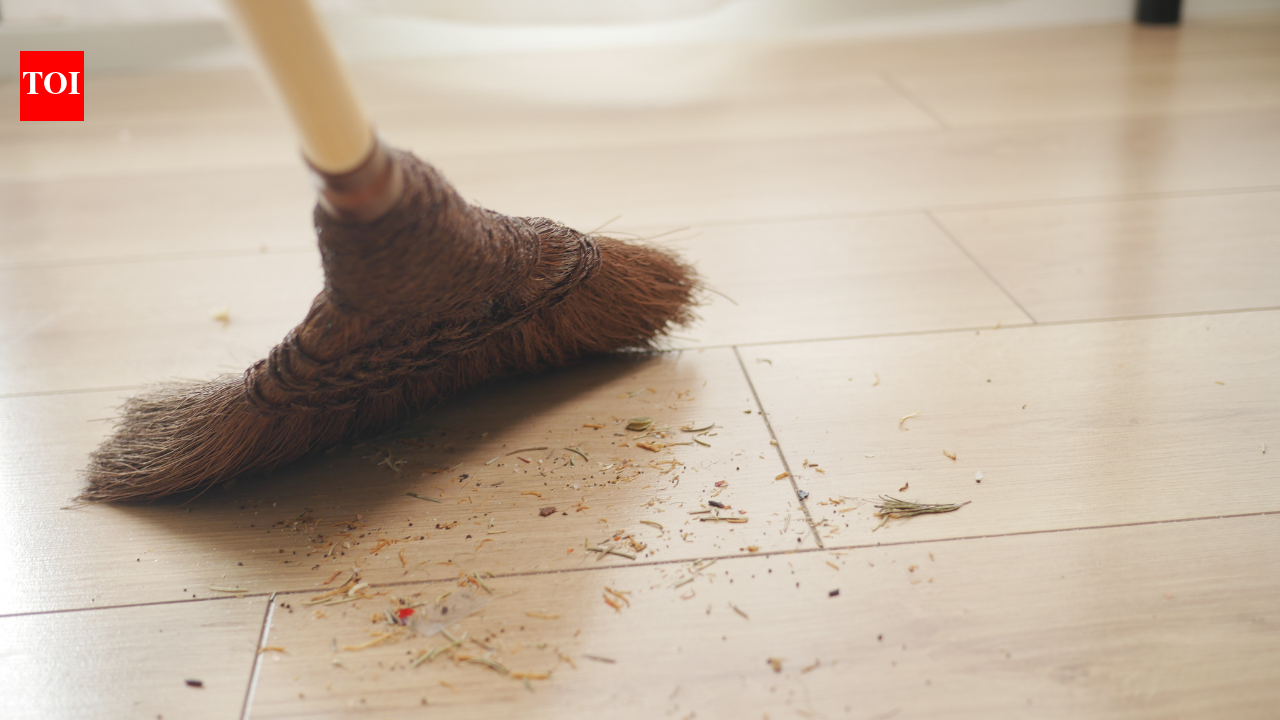
Dry dusting with a regular cloth mostly just relocates dust, sending it airborne so it can resettle somewhere new a few hours later. Sweeping instead of vacuuming does something similar on hard floors. Switching to microfiber cloths, which actually trap particles instead of scattering them makes a noticeably faster difference


