





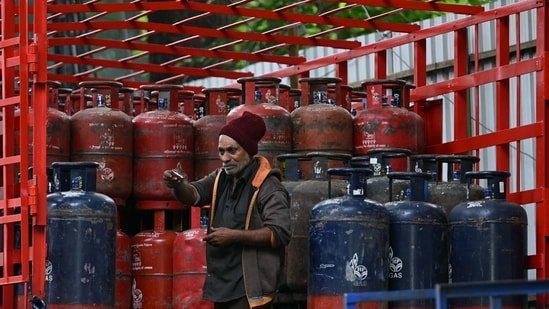
The KSHA on Friday urged the Central Government to immediately slash commercial LPG cylinder prices, which have nearly doubled in recent months, citing a sharp decline in global crude oil prices.


G K Shetty, President of the Karnataka State Hotels Association, in a press release, said commercial LPG cylinders were priced at around ₹1,800 in February.
After dealer discounts, hotels procured them for approximately ₹1,650 to ₹1,700 per cylinder.
He said the conflict in the Middle East severely disrupted global gas supplies, which gradually recovered to nearly 70 per cent of normal levels.
These disruptions resulted in a steep increase in commercial LPG prices, Shetty said.
Hotels and restaurants are now paying ₹3,198 per commercial LPG cylinder – almost double what they were paying a few months ago.
As international crude oil prices have now declined to around USD 70 per barrel, roughly the same level as in February, the Association urged the government to reduce prices accordingly.
“In view of the correction in global crude oil prices, we urge the Central Government to revise commercial LPG cylinder prices accordingly. We request that, from July onwards, the price of commercial LPG cylinders be brought back to the February level so that the hotel industry receives much-needed relief,” Shetty said.
The US and Iran have released the text of an interim agreement signed by their presidents to end the 111-day war.
The pact could potentially reopen or normalise shipping through the Strait of Hormuz, providing significant relief to India, one of the world’s largest crude oil importers.
The narrow waterway between Iran and Oman handles roughly one-fifth of global oil consumption and serves as the primary export route for major Gulf producers, including Saudi Arabia, Iraq, Kuwait, the United Arab Emirates and Qatar – all key energy suppliers to India.
The supply of crude oil – the raw material used to produce fuels such as petrol and diesel – and natural gas – used to generate electricity, produce fertiliser, compressed into CNG to fuel vehicles and supplied through pipelines to household kitchens for cooking – through the Strait has been disrupted since the war began in late February.
This has triggered sharp increases in crude oil prices, shipping insurance premiums and freight rates.
Sources said the reopening and reduction in tensions would likely help stabilize global energy markets and improve the outlook for energy-importing nations such as India.
India, the world’s third-largest oil importer and consumer, had rolled out a series of contingency measures to safeguard domestic fuel supplies following the escalation of hostilities in West Asia, a region that accounts for a substantial share of the country’s crude oil and LPG imports.


