






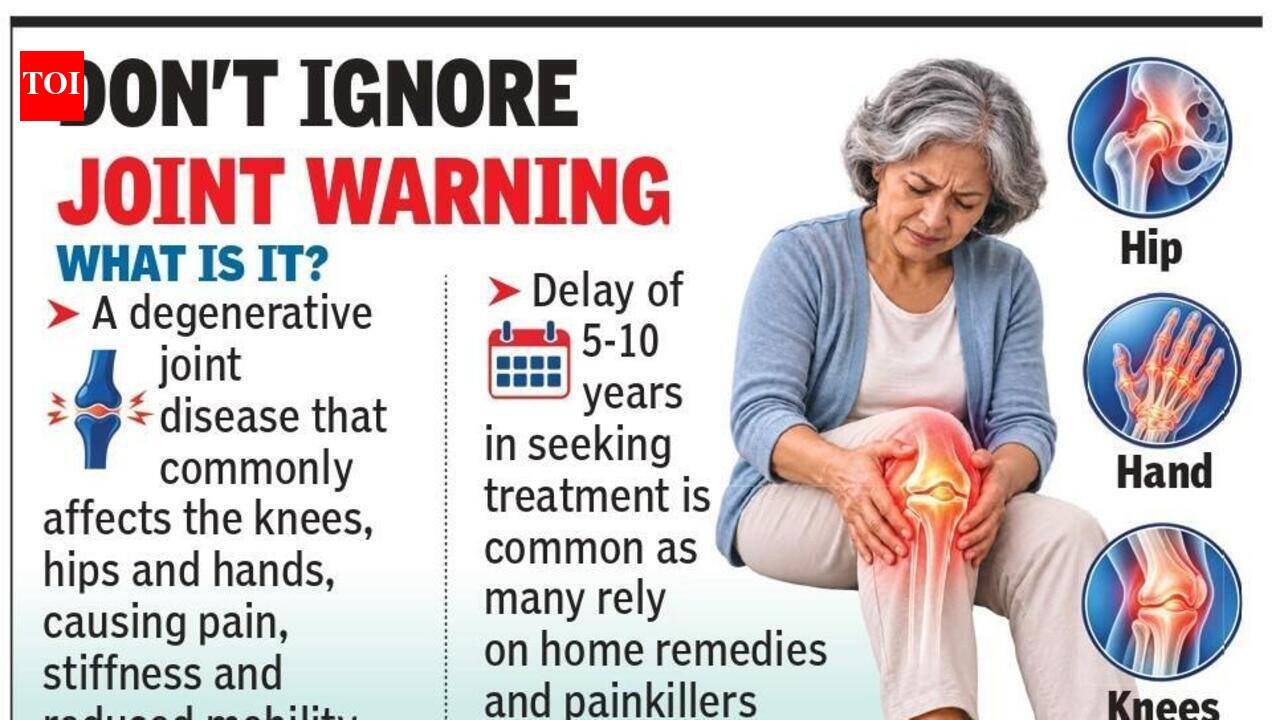
Lucknow: A misplaced faith in ‘tel malish’ (oil massage), castor oil applications and over-the-counter painkillers is pushing thousands of osteoarthritis patients towards advanced joint damage, with many seeking medical care only after years of avoidable deterioration, orthopaedic specialists in the city have warned.Ahead of World Arthritis Day on Oct 12, doctors said patients often spend five to 10 years relying on home remedies and self-medication before consulting specialists. By then, chronic pain, difficulty in walking and joint deformities have often narrowed treatment options to surgery.Experts said the biggest challenge is the tendency to dismiss joint pain as a routine consequence of ageing.“Most patients try oils, massages and painkillers for years. They reach us only when walking becomes difficult or the joint starts deforming,” said Prof Shailendra Singh of KGMU’s orthopaedics department. “We see 150 such patients daily in OPD,” he added.The delay frequently leaves patients unprepared for the severity of their condition. “Many are stunned when they learn that joint replacement is the most effective option left,” he added.Doctors said delayed treatment is not confined to rural or less-aware populations. Even educated patients often abandon treatment once symptoms subside, returning only after irreversible damage has set in.Osteoarthritis, a degenerative disease affecting the knees, hips and hands, causes pain, stiffness and reduced mobility. Symptoms can begin as early as the 40s and are often seen earlier in women, experts said.Prof Kumar Shantanu of KGMU said persistent joint pain, changes in gait, deformity and repeated cracking sounds should not be ignored. “Pain that begins while walking but continues even at rest is a clear warning sign and needs medical evaluation,” he said.Doctors said early diagnosis allows patients to manage the condition through exercise, weight control and lifestyle changes, helping delay progression and preserve mobility. Some patients may also benefit from partial knee replacement, which retains healthy portions of the joint.Dr Sandeep Kapoor, orthopaedic surgeon and managing director of Health City Vistar, linked rising joint problems to sedentary lifestyles and poor nutrition.“Regular physical activity, adequate protein and essential minerals are critical for keeping bones and muscles healthy,” he said.Experts also warned against indiscriminate consumption of supplements, particularly high-dose vitamin D, saying excessive intake can lead to serious complications.Their advice was simple: do not mask persistent joint pain with temporary relief. “The earlier patients seek help, the better the chances of protecting the joint and avoiding major surgery,” said Prof Singh.


