



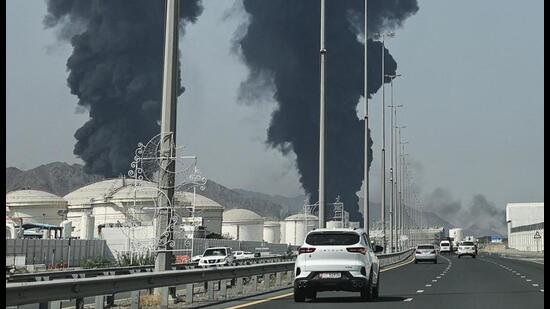
At a time when a fragile ceasefire is all that is preventing West Asia from tipping over the brink, Iran’s attack on a crucial oil industry complex in the United Arab Emirates (UAE) is a development that could lead to a dangerous flare-up that everyone is keen to avoid. Talks between the US and Iran for a negotiated end to the war that began in February are clearly stalemated and the attack — which Iranian officials have indicated was a response to US President Donald Trump’s “Project Freedom” that is aimed at forcing open the Strait of Hormuz — could jeopardise already frail energy supply chains.


Prime Minister Narendra Modi’s move to condemn the attacks on the Fujairah Petroleum Industries Zone, which injured three Indian citizens, has to be seen in this context. The Fujairah oil complex is currently the only operational energy export facility in the UAE, and Modi said the targeting of civilians and infrastructure is “unacceptable”, while expressing solidarity with the UAE and reiterating India’s support for a peaceful end to the West Asia conflict through dialogue and diplomacy. India, which has kept a wary eye on energy and fertiliser prices that have been creeping upwards, also reiterated its call for safe and unimpeded navigation through the Strait of Hormuz in the interest of global energy security. The World Bank has already forecast a 24% surge in global energy prices in 2026 and any fresh hostilities, and further strikes on energy facilities across West Asia, will squeeze the economies of the Global South.


