



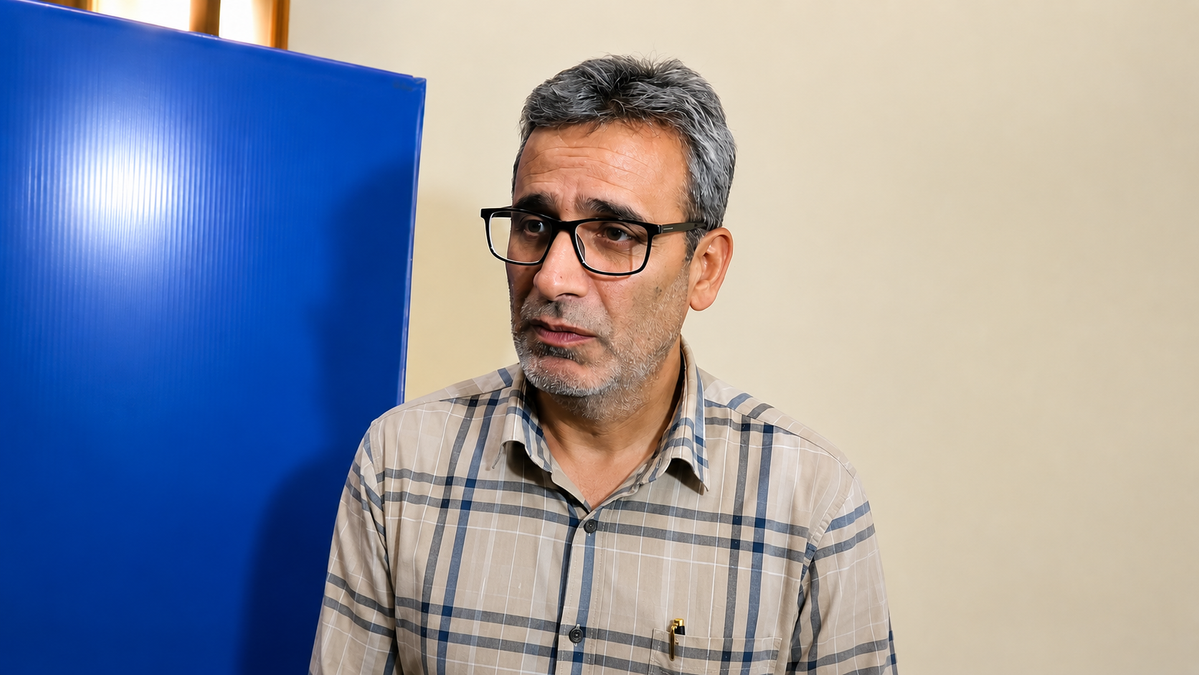
Srinagar, Jul 09: Director Tourism Kashmir, Syed Qamar Sajad, on Thursday said Jammu and Kashmir continues to witness strong growth in the tourism sector, with domestic travellers accounting for nearly 95 per cent of the total tourist arrivals in the Union Territory.
Speaking about the current tourism scenario, Sajad said J&K remains primarily a domestic tourism destination, with visitors from different parts of the country forming the backbone of the Valley’s tourism industry. “Foreign tourists constitute only around five per cent of the overall arrivals, though their numbers are gradually increasing after a temporary decline caused by international geopolitical developments,” he said.
The Director said the tourism department is working on a long-term strategy aimed at ensuring sustainable growth of the sector while safeguarding the region’s rich natural resources. “Tourism development and environmental conservation must go hand in hand, as the natural beauty of Jammu and Kashmir remains the biggest attraction for visitors,” he said.
Sajad said the government is engaging with tourism stakeholders, industry representatives and local officials across both Kashmir and Jammu divisions to formulate a comprehensive roadmap for the future of tourism in the valley. The objective, he said, is to create a balanced framework that supports infrastructure development without compromising ecological sustainability.
Referring to environmental concerns, the Director said that while global warming is a worldwide challenge, Jammu and Kashmir must contribute its share towards environmental protection. He highlighted the role of the Tourism and Education departments in promoting afforestation initiatives and creating awareness about sustainable practices.
Stressing the need for responsible development, Sajad said a simple sustainability principle should be followed, whereby the loss of one tree for any development activity should be compensated by planting ten new trees. Such measures, he added, are essential for preserving the fragile ecosystem of the valley.
The Director also acknowledged that international tourist arrivals were affected by the ongoing conflict in the Middle East, particularly during the initial phase of the crisis. However, he said the impact was temporary, and foreign tourist footfall has started improving steadily.
He expressed optimism about the future of tourism in Jammu and Kashmir, stating that overall visitor numbers continue to show a positive upward trend.
With sustained efforts towards infrastructure improvement, environmental conservation and stakeholder participation, the tourism sector is expected to play an even greater role in the region’s economy in the coming years.


