



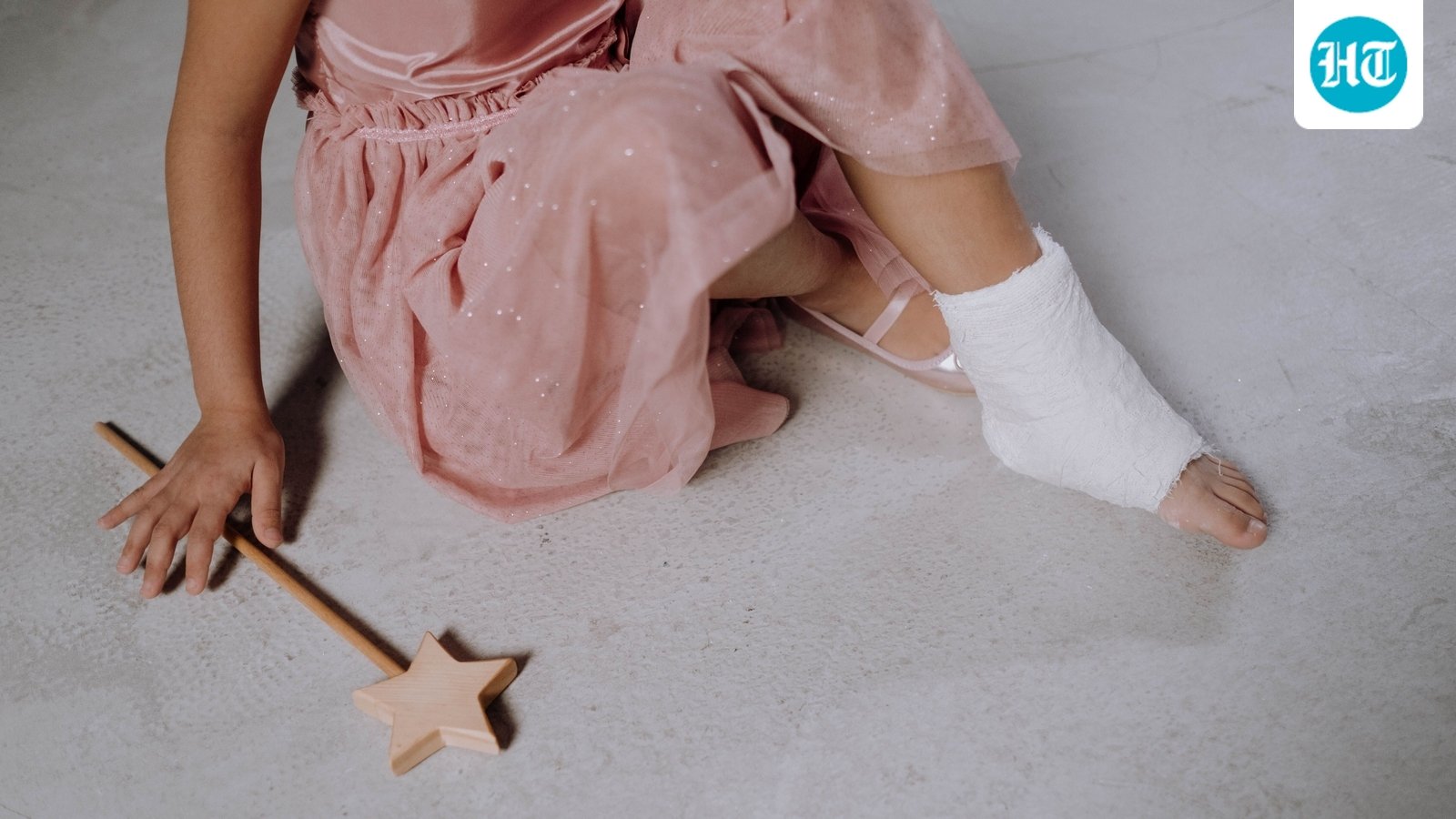
Breaking a bone in childhood is a common experience, especially with children who enjoy outdoor activities. However, the aftermath is, more often than not, quite unpleasant.
A common tendency of children is to try to discard the cast that has been put on by the doctors to help their broken bone set in place. Sometimes they try to take the cast off on their own when they feel that they have sufficiently healed.
However, according to physician Dr Kunal Sood, that should never be allowed. Taking to Instagram on August 7, he explained that doing so can actually slow down the healing process and make the situation significantly worse.
Why should a child not be allowed to take the cast off early?
In the words of Dr Sood, “When a child decides they’re done with their cast and decides to take it off early, it can actually undo weeks of healing.”
The job of a cast that is applied after a fracture is to keep a broken bone completely still so new bone tissue can form and strengthen in the right position.
“Even if a child feels better on the outside, the bone inside is still fragile and not fully healed,” explained the physician. “Taking a cast off too soon can cause the bone to shift, heal crooked, or even separate again.”
As a result, the newly formed bone tissue becomes much more likely to break from even a minor bump.
Taking the cast off early can also undo the alignment that the doctor worked hard to set, pointed out Dr Sood.
“Casts also protect the area from swelling, impact, and accidental hits while the surrounding tissues recover,” he shared. “So, the cast isn’t just about immobilisation. It’s also a shield during a vulnerable phase of healing.”
About Dr Kunal Sood
Dr Kunal Sood, MD, is a US-based double board-certified physician in anesthesiology and interventional pain medicine. He did his residency and fellowship in anesthesiology at Wayne State University in Detroit, Michigan, followed by a one-year fellowship in interventional pain medicine. He later became the Medical Director of the office in Germantown, Maryland.
Note to readers: This article is for informational purposes only and not a substitute for professional medical advice. Always seek the advice of your doctor with any questions about a medical condition.
This report is based on user-generated content from social media. HT.com has not independently verified the claims and does not endorse them.


