








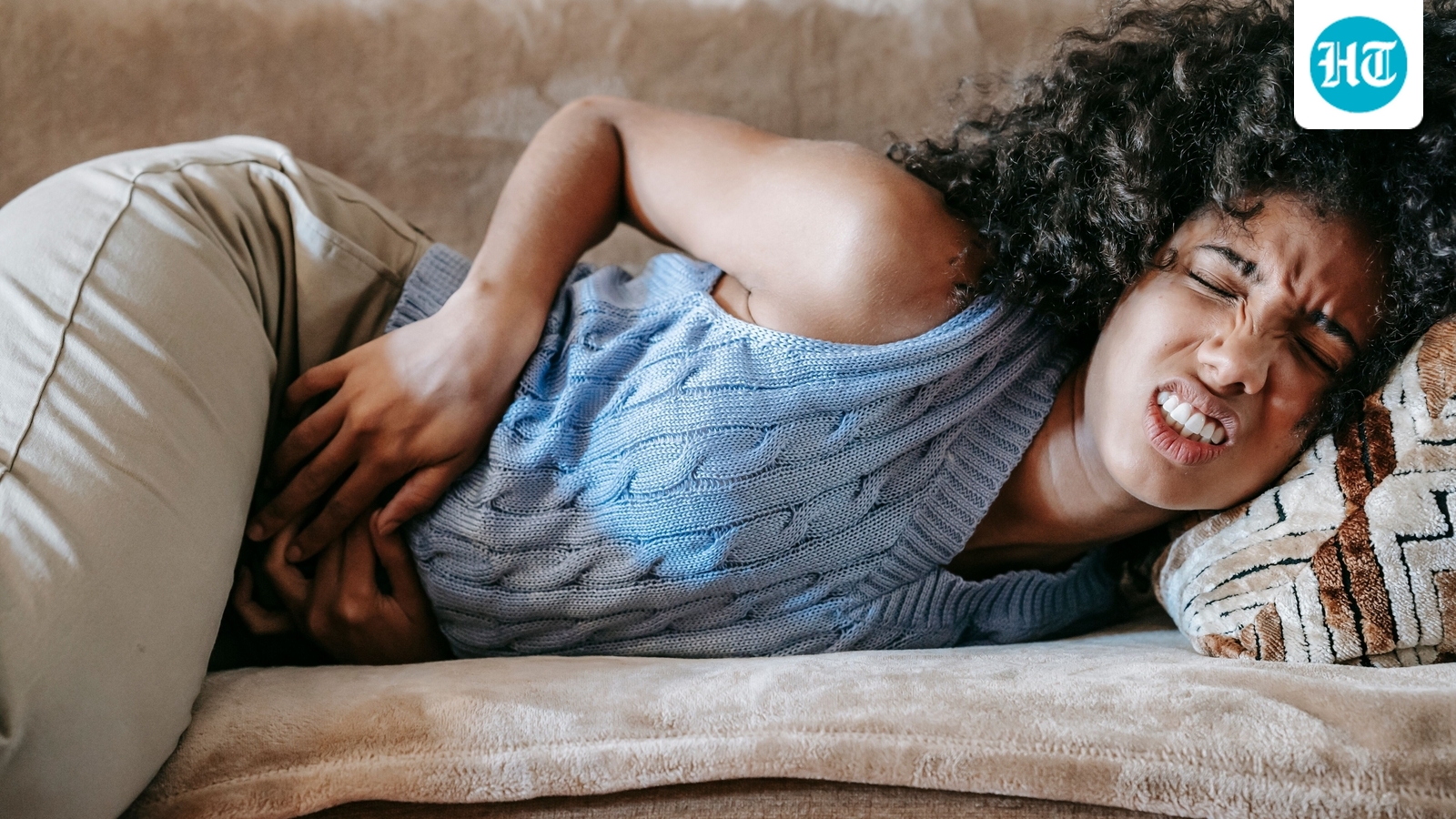
Endometriosis is a painful condition in which severe menstrual cramps are common. But how can adolescent girls distinguish between regular period discomfort and pain that may signal something serious? Painful periods are typically brushed aside as something to endure with home remedies, but persistent and debilitating pain could be a warning sign, particularly among girls with a family history of endometriosis.
Dr Niti Kautish, director of obstetrics and gynaecology at Fortis Escorts Hospital, Faridabad, explained endometriosis and what girls should do if they have a family history of the condition.
Describing endometriosis in clinical terms, she said, “Endometriosis is a chronic gynaecological disorder in which tissue resembling the endometrium, the lining of the uterus, grows outside the uterus. These lesions can trigger inflammation, scarring and pain, commonly affecting the ovaries, fallopian tubes and pelvic tissues. The condition may also be associated with difficulties conceiving later in life.”
Does endometriosis run in families?
Dr Kautish explained that endometriosis appears to have a genetic component.
She elaborated, “Studies have found that women with a first-degree relative, such as a mother or sister, diagnosed with the disease have a higher risk than those without such a history. However, genetics alone do not determine who develops endometriosis. Hormonal, inflammatory, immune, and environmental factors are also thought to contribute.”
But it is also essential to understand that a family history should be viewed as a risk factor, not a definitive diagnosis. The doctor clarified this distinction.
What symptoms should you watch out for?
Adolescent girls should seek medical evaluation when period-related symptoms become severe or interfere with everyday activities. Dr Kautish shared these warning signs:
- Debilitating menstrual cramps
- Pelvic or lower-back pain
- Unusually heavy menstrual bleeding
- Pain during bowel movements, particularly during menstruation
- Pain while urinating, especially during menstruation
- Pain that persists between periods
- Missing school because of menstrual symptoms
- Avoiding physical activities because of the pain
- Regularly needing pain medication to manage symptoms
These symptoms should not simply be accepted as a normal part of menstruation. The doctor also advised that girls with a family history should be encouraged to report severe or worsening period pain, chronic pelvic pain, heavy bleeding, pain during bowel movements or urination during periods, or symptoms that interfere with school and daily activities.
Why is it difficult to diagnose endometriosis?
According to the expert, early recognition matters, as endometriosis can take years to diagnose. This is largely because its symptoms overlap with those of other menstrual and gastrointestinal conditions, so severe pain is typically normalised.
How is it diagnosed?
The doctor walked us through how endometriosis is diagnosed: “A clinician may perform a physical examination and, when appropriate, recommend pelvic imaging such as ultrasound. Ultrasound can help identify ovarian endometriomas and some forms of deep endometriosis, although a normal scan does not completely exclude the disease. MRI may be considered when deeper disease is suspected or when more detailed imaging is required.”
This article is for informational purposes only and not a substitute for professional medical advice.


