



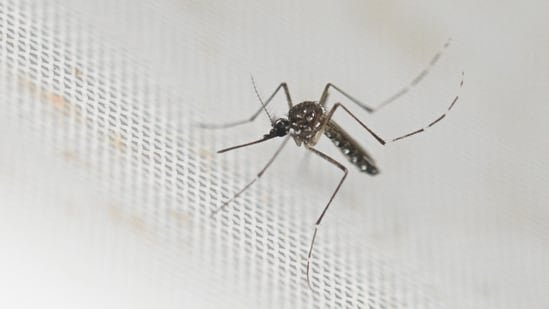
With the monsoons settling in, diseases like malaria are expected to be on the rise in the country. The mosquito-borne infectious disease can be life-threatening for vulnerable groups, especially children.
Also Read | Delhi gastroenterologist shares benefits of eating raisins regularly: How it supports gut and heart health
The month of June is observed as Anti-Malaria Month in the country. On that occasion, HT Lifestyle spoke with Dr Ankur Ohri, general pediatric consultant at Madhukar Rainbow Children’s Hospital, and Dr Amit Prakash Singh, internal medicine consultant at CK Birla Hospital, Delhi, who explained what makes children particularly vulnerable to the disease.
Why does malaria affect children more severely?
According to Dr Ankur Ohri, when children are infected with malaria, they experience a greater severity of the illness than adults.
“Malaria parasites infect and destroy red blood cells, resulting in decreased ability to carry oxygen,” he noted. “A child’s smaller body reserves and greater metabolic rate result in a significant loss of health status.”
As per Dr Singh, children are at greater risk of complications from malaria because their immune system is still maturing.
“Many adults who live in areas with malaria are able to strengthen their immune systems through repeated exposures to malaria; however, young children do not develop any immunity with repeated exposures to malaria,” he shared.
When it comes to the general population, the increased risk of children is also in part because of their spending time outside homes, claimed Dr Ohri.
“Because children typically spend much of their time outside, they rely on their caregivers to recognise symptoms and to access urgent medical care. Delayed diagnosis, self-treatment, or the assumption that a child has a typical viral illness may cause the disease process to progress rapidly from mild to severe,” he expressed.
The effects of malaria and preventive measures
Explaining the effects of malaria in children, Dr Ohri stated, “When malaria is transmitted to a child, the malaria parasite can multiply quickly and extensively in the child’s blood, which can lead to a significant decrease in red blood cells. This can lead to severe anaemia, which is one of the most common and dangerous complications from malaria in children.”
“In addition to this, malaria can affect other organs, which may cause breathing difficulties, low blood sugar, dehydration, and, in the most severe cases of malaria, lead to cerebral malaria (malaria that involves the brain), resulting in seizures, coma, and/or permanent brain injuries.”
Early symptoms of malaria in children include fever, fatigue, irritability, vomiting, and difficulty feeding, noted Dr Singh. These are also symptoms of other common childhood illnesses, so parents can delay seeking medical care despite conditions worsening quickly, he cautioned.
“Preventive measures such as mosquito control, insecticide-treated bed nets, timely diagnosis, and early treatment play a critical role in protecting children from severe malaria and reducing related complications,” highlighted Dr Singh.
Note to readers: This article is for informational purposes only and not a substitute for professional medical advice. Always seek the advice of your doctor with any questions about a medical condition.


