



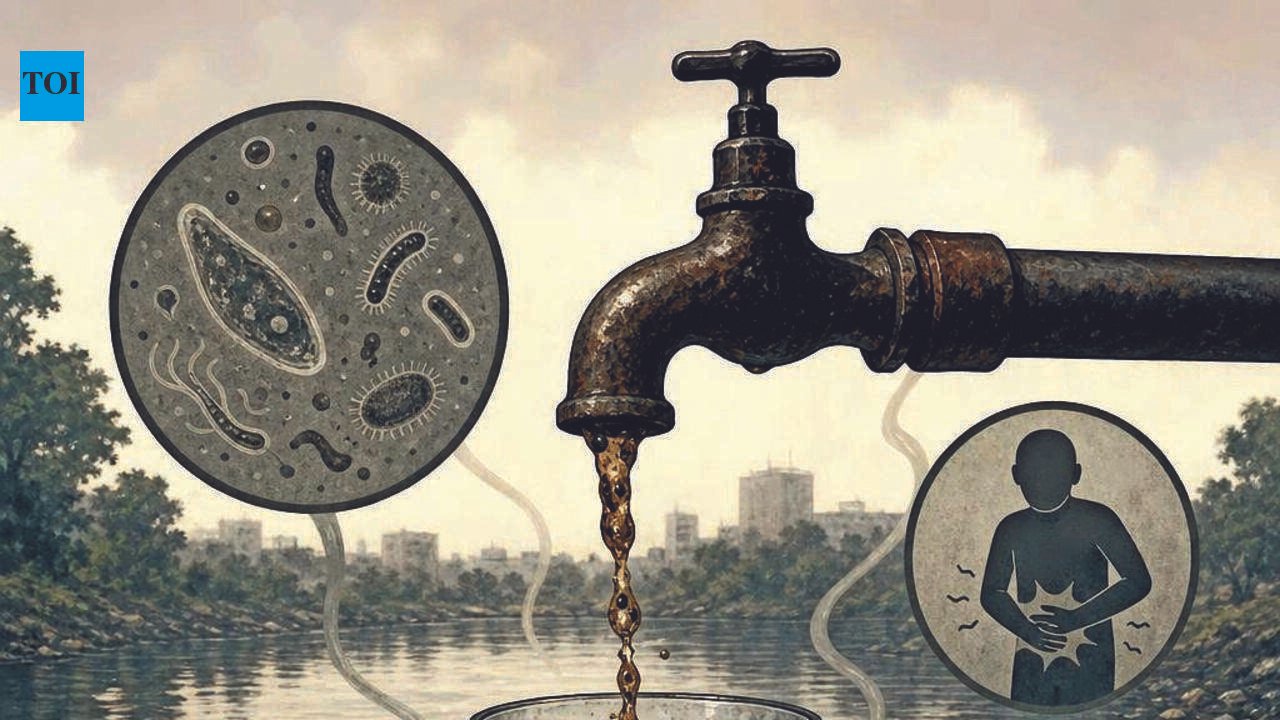
Pune: Gastroenterologists and general physicians are reporting a spike in waterborne infections this monsoon, with a significant number of patients presenting with gastrointestinal distress and febrile illnesses.According to PMC data, over 2,700 cases of acute diarrheal diseases, 43 cases of viral hepatitis, and 102 typhoid-related cases were recorded during the past three months (June, July, and August). Dr Vaishali Jadhav, assistant health officer, PMC, said, “The surge in numbers during the monsoon season is not unusual. We see a spike in cases due to multiple factors, primarily contamination of drinking water with drainage water. This is why we advise citizens to boil their water properly before drinking. There is no major outbreak this year; only sporadic cases are being reported.”Dr Danish H. Memon, senior consultant and head of the department of medicine at Noble Hospitals and Research Centre, said, “We are currently seeing a noticeable number of patients presenting with infections and febrile illnesses. The number of patients seeking treatment for waterborne diseases has increased by about 5–10% this year. Along with acute diarrhea and vomiting, we are seeing patients with typhoid, typhoid-like fevers, and occasional cases of Hepatitis A and E. Many patients arrive with fever, weakness, gastrointestinal symptoms, and varying degrees of dehydration.”Paediatricians are also seeing an impact on younger patients. Dr Jayant Khandare, paediatrician and neonatologist at Surya Mother and Child Super Specialty Hospital, said, “We have seen a rise in waterborne infections over the last month, including a 20% increase in typhoid cases alone. Contaminated food or water can spread diarrheal illnesses, typhoid, and Hepatitis A or E. Persistent fever, vomiting, or loose stools should not be dismissed as a routine stomach infection.”He further warned that dehydration is an immediate concern. “Infants, malnourished children, and those who are immunocompromised can deteriorate rapidly. Pregnant women also need to exercise added caution because hepatitis E can become severe, particularly during the second and third trimesters.”Doctors said simple precautions can prevent infections and hospitalisations. Dr Vineet Rao, a general physician at Jupiter Hospital, said, “The most important steps are to drink boiled, filtered, or properly treated water; wash hands regularly with soap; use safe water to wash fruits and vegetables; and ensure food is cooked thoroughly. People should avoid eating or drinking from questionable sources.”He added that while oral rehydration solution remains the foundation for managing diarrheal diseases, intravenous fluids may be necessary for severe dehydration. “Antibiotics or antiparasitic medicines should only be used when medically indicated. Early diagnosis and appropriate treatment are key to preventing serious complications,” Dr Rao said.


