


Luckily I’m out with my photography-loving best friend, who helps adjust the settings on the camera and gets snapping while I’m otherwise engaged on the dancefloor.
The mere sight of us pulling out the camera and squinting through its tiny viewfinder draws attention – “I’ve not seen one of these in years”, a man remarks.
He’s right – digital cameras had their heyday in the late 1990s and early 2000s, just before smartphones took off.
There are currently 42 million active film camera users globally, more than a third of these aged 18–30 and largely influenced by social media trends, according to a market research report, external last year.
So why, when we’re surrounded by more advanced tech here in 2026, are they seemingly making a resurgence?
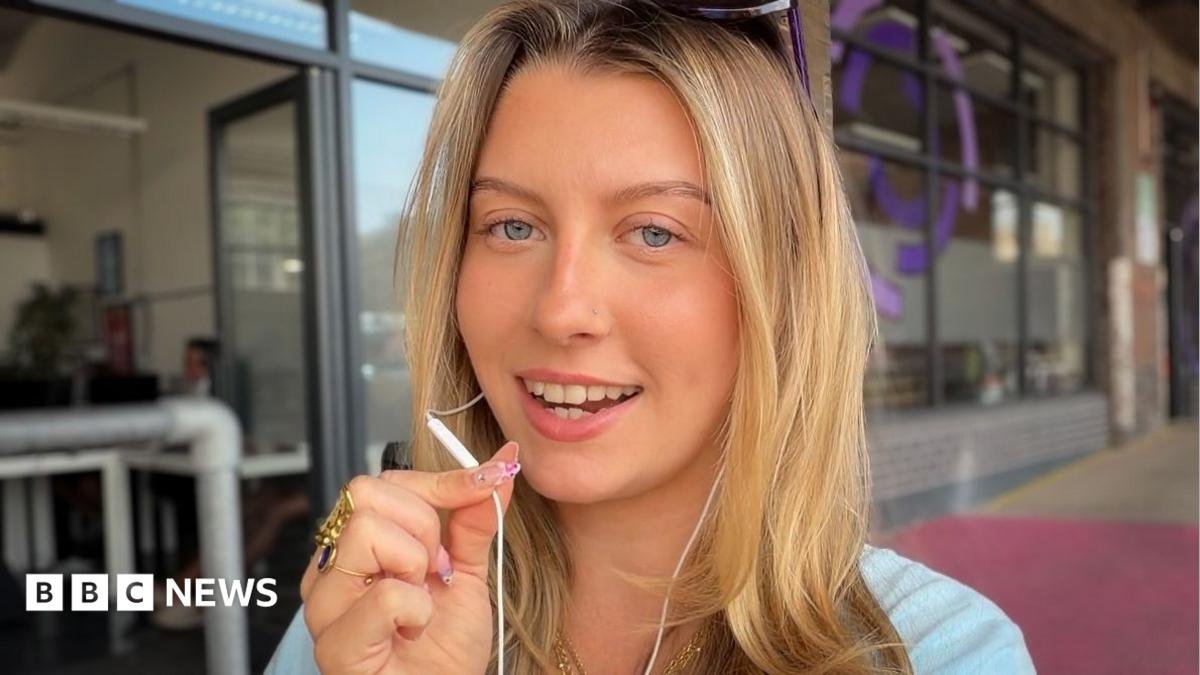
For Lily Redman, a 26-year-old content creator from South Wales, digital cameras “capture a quality that my phone just can’t replicate”.
She’s been taking one on nights out and to concerts and feels the flash on her phone “is grainy and too high definition” compared to the “more smooth” finished product on a digital camera.
“I think people are looking for a bit of grit or something that feels a bit more real,” she says.
That may also explain why low exposure photos taken on iPhones and Androids – where people dodge ready-made filters to artificially crank down the exposure setting and produce a darker image – are also popular on socials right now.
With digital cameras offering an element of surprise when you plug in the memory card reader to your computer at home, digital cameras capture a moment in time.
“If I look back at photos my mum took when I was two, they look so old but when I look at photos I took five years ago, they look like they were taken yesterday,” says Redman.
“Phone photos have warped our perception of time.”
