



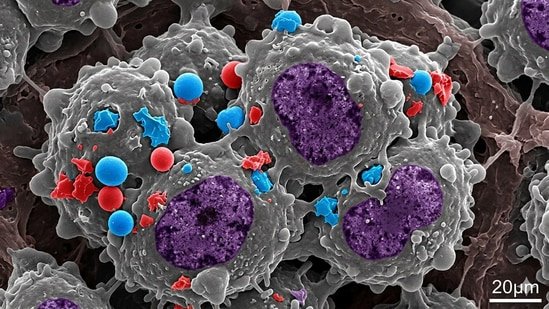
Microplastics have quietly infiltrated nearly every aspect of our environment – and increasingly, our bodies. From being detected in breast milk and foetal tissue to now showing up in cancer cells, their widespread presence is raising growing concerns about long-term health effects. While completely avoiding them may not be possible, becoming aware of everyday exposure sources and making small, conscious changes can help reduce the overall burden.


Dr Joseph Salhab, a Florida-based gastroenterologist and health content creator who specialises in digestive, liver, pancreatic, and nutritional health, is breaking down the far-reaching impact of microplastic exposure – highlighting that these particles have been found even in cancer cells.
In an Instagram video shared on March 20, he emphasises, “Did you know that colon cancer cells were found to have higher levels of microplastics inside them compared to surrounding tissue, in one of the first human studies that looked at tumour samples for them directly?” He outlines seven practical ways he minimises his daily exposure to microplastics.
Ditch plastic containers
Dr Salhab warns against using plastic storage containers for food, as they can increase exposure to microplastics – particularly when used to store or reheat hot food. Instead, he recommends opting for safer alternatives such as glass, silicone, or stainless steel containers.
He stresses, “Ditch plastic food storage containers. Store food in glass, silicone, or stainless steel instead, and avoid heating food in plastic.”
Get rid of plastic water bottles
Instead of relying on store-bought water, which is often packaged in plastic bottles, Dr Salhab recommends switching to filtered tap water. If needed, he advises boiling the water first and then storing it in glass or stainless steel containers to minimise exposure to microplastics.
He advises, “Rely less on plastic water bottles. Drink more filtered tap water, boil it first if needed, and store it in stainless steel or glass bottles.”
Start meal prepping
The gastroenterologist recommends cutting back on packaged and processed foods and opting for meal prep instead. This not only helps reduce exposure to microplastics from plastic containers but also encourages more home-cooked meals, which are better for overall health and can be more cost-effective in the long run.
He emphasises, “Start meal prepping. Meal prepping helps you rely less on prepackaged and processed foods that come in plastic.”
Use air filtration
One often overlooked source of microplastic exposure is airborne particles, which can circulate through household dust. This risk can be reduced by using HEPA air purifiers and vacuum cleaners that effectively trap fine particles and minimise dust buildup indoors.
Dr Salhab states, “Use a HEPA air purifier, a HEPA vacuum, and reduce dust buildup in your home.”
Swap plastic kitchen items
The gastroenterologist also recommends reducing the use of plastic kitchen items such as cutting boards, cling film, and worn utensils, which can shed microplastics over time. Instead, he suggests switching to safer, more durable alternatives like wood, glass, stainless steel, or silicone.
He notes, “Cut back on plastic kitchen items. Swap plastic cutting boards, plastic wrap, and worn utensils for wood, glass, stainless steel, or silicone.”
Avoid hot food and drinks in plastic
Dr Salhab cautions against storing hot food and beverages in plastic containers, as heat increases the likelihood of chemicals and microplastics leaching into what you consume. Instead, he recommends opting for safer storage options such as ceramic, glass, or stainless steel.
He highlights, “Avoid hot food and drinks in plastic. Use ceramic, glass, or stainless steel for hot foods and hot liquids instead of plastic.”
Watch out for tea bags
Dr Salhab highlights that some tea bags may contain a layer of plastic, which can release microplastics when exposed to hot water. He recommends switching to loose-leaf tea and brewing it with a stainless steel infuser, or choosing plastic-free options such as cotton tea bags.
He explains, “Watch out for certain tea bags. Choose loose-leaf tea with a stainless steel infuser or use cotton tea bags instead.”
Note to readers: This article is for informational purposes only and not a substitute for professional medical advice. It is based on user-generated content from social media. HT.com has not independently verified the claims and does not endorse them.


