



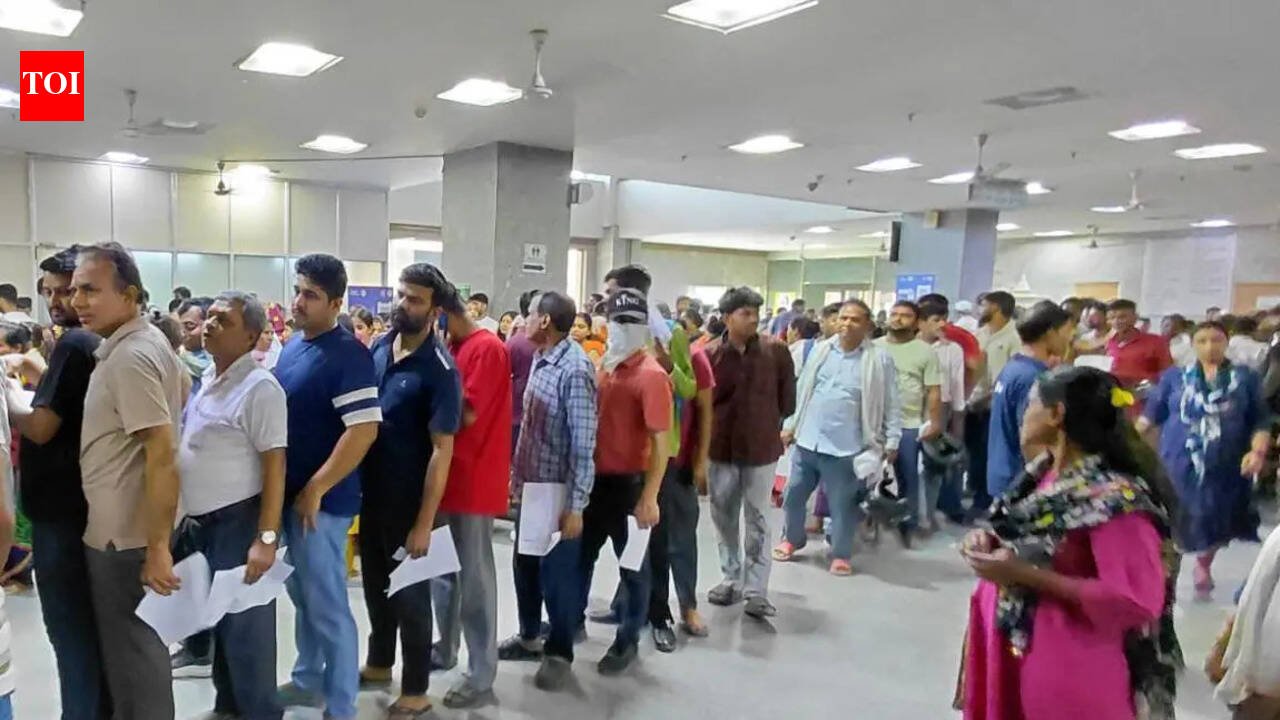
Noida: With temperatures climbing steadily across Delhi-NCR, OPDs across Noida and Ghaziabad are witnessing a sharp rise in heat-related illnesses. Doctors said most patients are showing symptoms of dehydration, vomiting, diarrhoea and dizziness over the past week.Doctors said a combination of sudden weather changes and prolonged exposure to heat is taking a toll on residents, particularly people with pre-existing medical conditions. While most patients are being managed through OPD consultations, severe cases are requiring hospital admissions.A senior doctor at Noida District Hospital told TOI that patient numbers already increased significantly. He said, “There has been around a 20% rise in patients and we fear that with a further rise, the number of such patients will also increase. Most of them are complaining of nausea, which is because of food. In summer, food often gets spoilt very easily.”Chief medical superintendent of the hospital Ajay Rana advised residents to avoid stepping out in the sun unless necessary. “Everyone should drink sufficient water and consume fresh home-cooked food. Oily roadside food and stale food should be avoided as they can lead to stomach infections. Those working outdoors should take regular breaks in shade and cover their heads while travelling,” he said.Private hospitals in the region are also reporting a noticeable increase in cases. “We are currently managing a heavy influx of patients with minor heat distress such as dizziness, vasovagal syncope and dehydration, which, if left untreated, can quickly turn into emergencies,” said Dr Ajay Agarwal, chairman, internal medicine, Fortis Noida.He added that severe cases of heatstroke and heat syncope can aggravate existing cardiovascular and kidney conditions, leading to admissions. “Our wards are currently managing several cases of electrolyte imbalance and acute kidney injury directly attributable to this heatwave,” he said.Doctors urged residents to remain cautious as temperatures are expected to rise further in the coming weeks. They advised people to stay indoors between 11 am and 4 pm, wear loose cotton clothing, use umbrellas or caps while outdoors and drink water regularly even if they do not feel thirsty.


