


A new government has assumed power in West Bengal after a landmark victory by the BJP in the recently concluded assembly elections. This weekend, Suvendu Adhikari took oath as the first BJP CM of a state that has eluded the political Right since Independence. In his first remarks, Adhikari struck the right note, stressing that as the chief minister, he belonged to every section of society and would strive to rebuild the state’s education and economy.
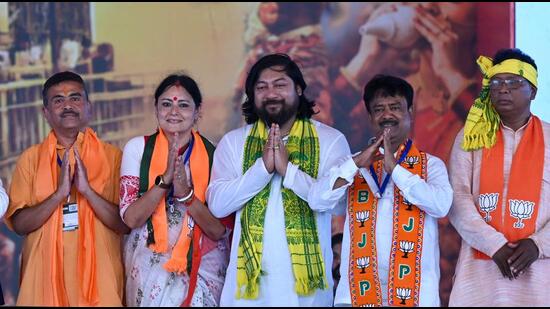
The task before the new government is challenging. Bengal sits in the middle of India’s ranking of states by economic growth, but in recent decades, its distance from the leaders of the pack, states such as Maharashtra, Gujarat or Tamil Nadu, has grown. A series of clashes with the central government has hurt its education and health care infrastructure and damaged the structure of the rural jobs scheme. With the BJP now in power in both Kolkata and Delhi, the new government should focus on augmenting Bengal’s socioeconomic and cultural infrastructure, even as it works to usher in new investment in a state left behind by the software revolution of the 90s and where issues with white-collar mobility cause great resentment among young, educated people.
But this can’t be achieved in a society that is communally polarised or where political violence is constantly simmering. The BJP must move on from the heat and dust of the election season — including some communally incendiary remarks from the CM himself — and work to provide a transparent, efficient, and inclusive government that works for every section of society. Only such an effort will respect the impressive mandate delivered by the people of Bengal.
