



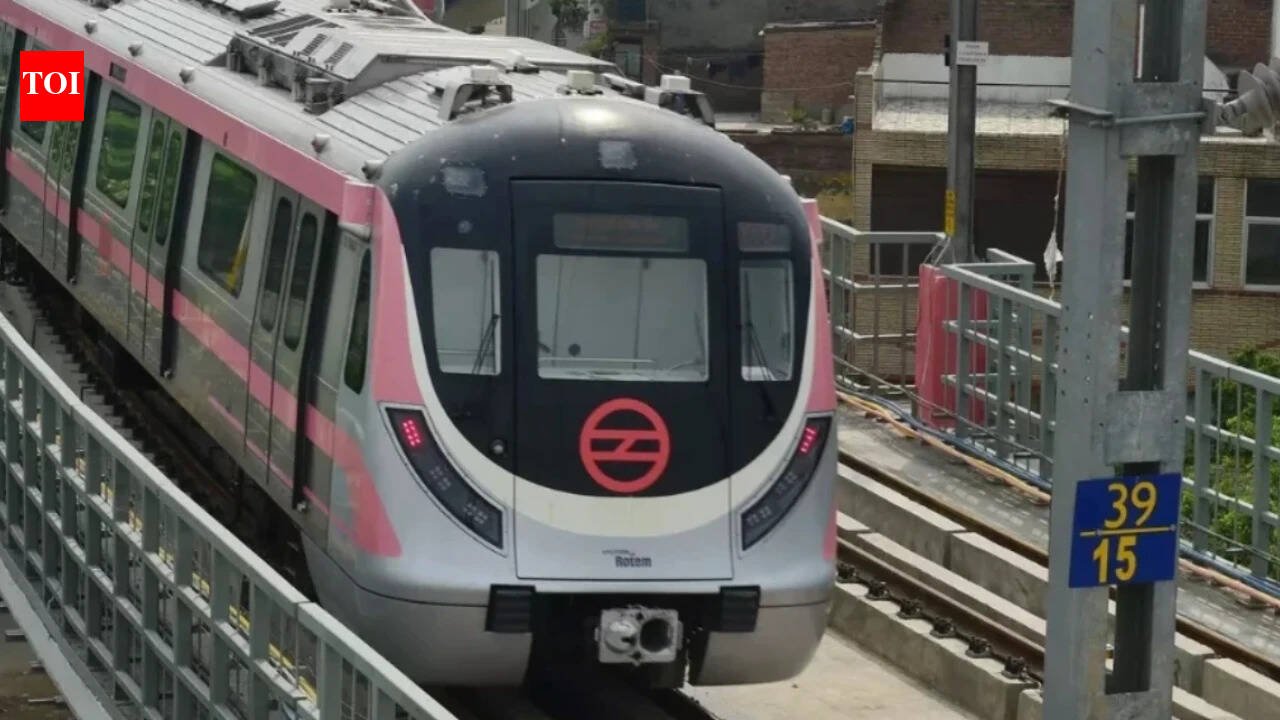
NEW DELHI: The Delhi Metro Rail Corporation (DMRC) will operate 20 additional train trips on weekdays from Thursday and intensify anti-pollution drives at construction sites and surrounding areas following the implementation of Stage I of the Graded Response Action Plan (GRAP) in the national capital on Wednesday.In a statement released by DMRC on Wednesday, the additional trips aim to encourage more people to use public transport instead of personal vehicles, news agency PTI reported.The corporation will take measures to reduce dust levels at construction sites, remove road dust from surrounding roads and clear garbage from footpaths and road medians.DMRC engineers will thoroughly inspect construction sites and nearby roads to ensure construction materials are properly covered and wheel-wash facilities for outgoing vehicles are functioning, it said.These drives will be carried out in addition to the pollution-control measures already being implemented by the corporation, PTI reported.Around 31km of city roads are currently under the DMRC’s temporary jurisdiction to facilitate Metro construction work. Most of these roads have already been repaired to ensure they do not contribute to further pollution in the city.More than 250 anti-smog guns and mist guns have been installed at construction sites, stations and office buildings to reduce dust levels, the DMRC said.The corporation’s environment department also conducts daily inspections to ensure environmental norms are being adequately followed, it added.The Commission for Air Quality Management (CAQM) on Wednesday invoked Stage I of GRAP across Delhi-NCR after the capital’s air quality slipped into the ‘poor’ category, with an AQI reading of 246.According to the Air Quality Early Warning System for Delhi, air quality is likely to remain in the ‘poor’ category from October 21 to 24.The outlook for the subsequent six days also indicates that the AQI is likely to remain in the same category.Stage I of GRAP includes measures to curb dust pollution from construction and demolition activities, road dust and open waste burning, among other sources.(With agency inputs)
