


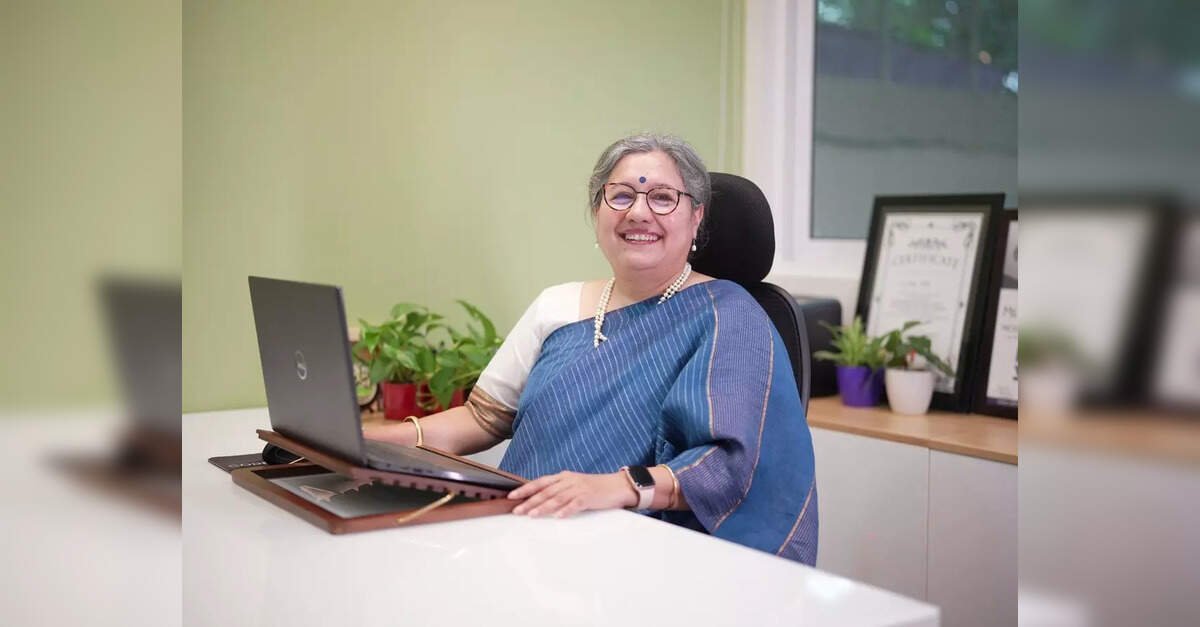
In this interaction, Debika Chatterji, Director Principal of JBCN International School, Borivali campus, shares how her school is operationalising NEP 2020 through learner-centred classrooms, competency-based assessments, teacher upskilling, and a strong focus on wellbeing, AI ethics, and realistic parent-school partnerships.
Q. How is your school translating NEP 2020 reforms into real classroom practice, not just policy language?
Debika Chatterji: At our Borivali campus, NEP 2020 comes alive in the way teaching and learning happen every day, rather than remaining a document on paper. While we follow Cambridge and Indian curricula, our focus is on ensuring that what happens inside classrooms truly reflects the spirit of the reform.
Our classrooms are learner-centred and discussion driven. Teachers encourage learners to ask questions, explore ideas, make connections, and apply concepts to real-world situations. Lessons often include investigations, debates, collaborative tasks, and projects that connect subjects naturally, helping learners see learning as meaningful and relevant, not fragmented.
Assessment is approached as a tool for growth rather than pressure. Alongside curriculum requirements, teachers use ongoing feedback, rubrics, presentations, reflections, and peer learning to help learners understand their strengths and next steps. This allows teachers to personalise support and helps learners build confidence, independence, and strong thinking skills.
A key strength of the campus is our teachers. We invest consistently in professional learning, collaborative planning, and reflective practice so that educators feel confident translating NEP ideas into day-to-day classroom strategies. Regular discussions, lesson observations, and shared planning ensure consistency and quality across the campus.
Beyond academics, we place strong emphasis on holistic development. Leadership opportunities, co-curricular activities, community engagement, wellbeing initiatives, and student voice are woven into school life. These experiences help learners grow into confident, responsible, and empathetic individuals.
NEP 2020 at our campus is visible in how lessons feel, how learners participate, and how learning is supported, while continuing to uphold academic rigour and a global outlook.
Q. With exams becoming more competency-based, how are teachers being re-skilled? Student stress is rising—what has actually worked on the ground to address mental health beyond counselling?
Debika Chatterji: In our classrooms we’ve found that reducing student stress is less about adding counselling and more about changing everyday classroom practices.
Teachers make expectations very clear by breaking down learning goals, exam-style questions, and command words so learners know what is expected and how to approach it. Regular low-stakes practice and feedback help learners build confidence gradually, rather than feeling pressure only during exams.
We also focus on predictable routines, advance notice of assessments, realistic deadlines, structured revision time, and small classroom practices like check-ins and peer discussions. Strong teacher–learner relationships play a key role, as early support often happens through informal conversations with trusted teachers.
Q. How do you balance academic performance with holistic development in senior classes?
Debika Chatterji: In senior classes, we don’t see academics and holistic development as two separate goals. From experience, we know learners do their best academically when they feel balanced and supported.
We keep academic expectations clear and structured, so learners know what’s required of them and how to prepare for assessments. Regular feedback, guided revision, and realistic planning help learners stay focused without feeling constantly under pressure. At the same time, we make sure learners have space to grow beyond academics. Leadership roles, clubs, service activities, and collaborative projects are part of regular school life, not extras. These experiences help learners build confidence, responsibility, and time-management skills, which in turn improve their academic performance.
Teachers play an important role by checking in regularly, mentoring learners, and stepping in early if someone feels overwhelmed. We help learners manage both results and wellbeing so they leave school prepared not just for exams, but for life beyond them.
Q. What role do AI and technology realistically play in schools, and where do you draw the line?
Debika Chatterji: In our school, we see AI and technology as support tools, not substitutes for teaching or thinking. They’re used to help learners understand concepts, organise ideas, revise, and build confidence, especially when learning feels challenging. AI supports our efforts to respond to individual learning styles and patterns, allowing us to tailor content more effectively.
We’re very clear about the boundaries. AI doesn’t replace student effort or original work. It’s not used to complete assignments or assessments, and learners are taught how to use it ethically as a support, not a shortcut.
Teachers remain central, and we’re careful about balance. Not every lesson is digital, and we protect time for discussion, writing, creativity, and face-to-face learning. Simply put, we use technology where it genuinely adds value.
Q. Have parental expectations become unrealistic, and how do schools manage that pressure?
Debika Chatterji: Parents care deeply and want the best for their children. With so much information and comparison around, anxiety about results and future pathways is very real.
What’s helped us is open, transparent communication. We take time to explain how learning progresses, what success looks like at different stages, and how different curricula work. When parents understand the process, not just the outcome, expectations tend to become more realistic.
We’re also clear about boundaries. We listen carefully, but decisions around teaching, assessment, and pacing are made professionally and always in the child’s best interest. Not every worry needs immediate acceleration or extra pressure.
Over time, we focus conversations on the bigger picture, confidence, independence, wellbeing, and life skills, not just marks. When parents see their children happier, more engaged and coping well, the pressure eases naturally.
Q. What should parents prioritise while choosing a school in the next 2–3 years?
Debika Chatterji: Parents may find it helpful to look beyond marks or reputation and ask a simpler question: Will this school help my child grow into a capable, confident, and adaptable person?
Academics will always matter, but what matters just as much is whether a school teaches children how to think, not just what to study. Schools that encourage questioning, problem-solving, discussion, and creativity help children develop critical thinking and communication skills essential in today’s world.
Parents should also pay attention to how a school supports emotional wellbeing. Children need safe environments where they learn to manage pressure, work with others, bounce back from mistakes, and build resilience, skills they will carry for life.
Another important area is teacher-student relationships. Schools where teachers know their learners well, mentor them, and guide them through challenges tend to have a deeper impact than places focused only on results.
Technology and future skills matter too, but in a balanced way. Look for schools that use technology thoughtfully, teach digital responsibility, and give learners opportunities for leadership, teamwork, and real-world experiences.
In the end, the right school prepares children not only for exams, but for life, helping them think independently, communicate confidently, collaborate with others, and adapt to whatever the future brings.


