






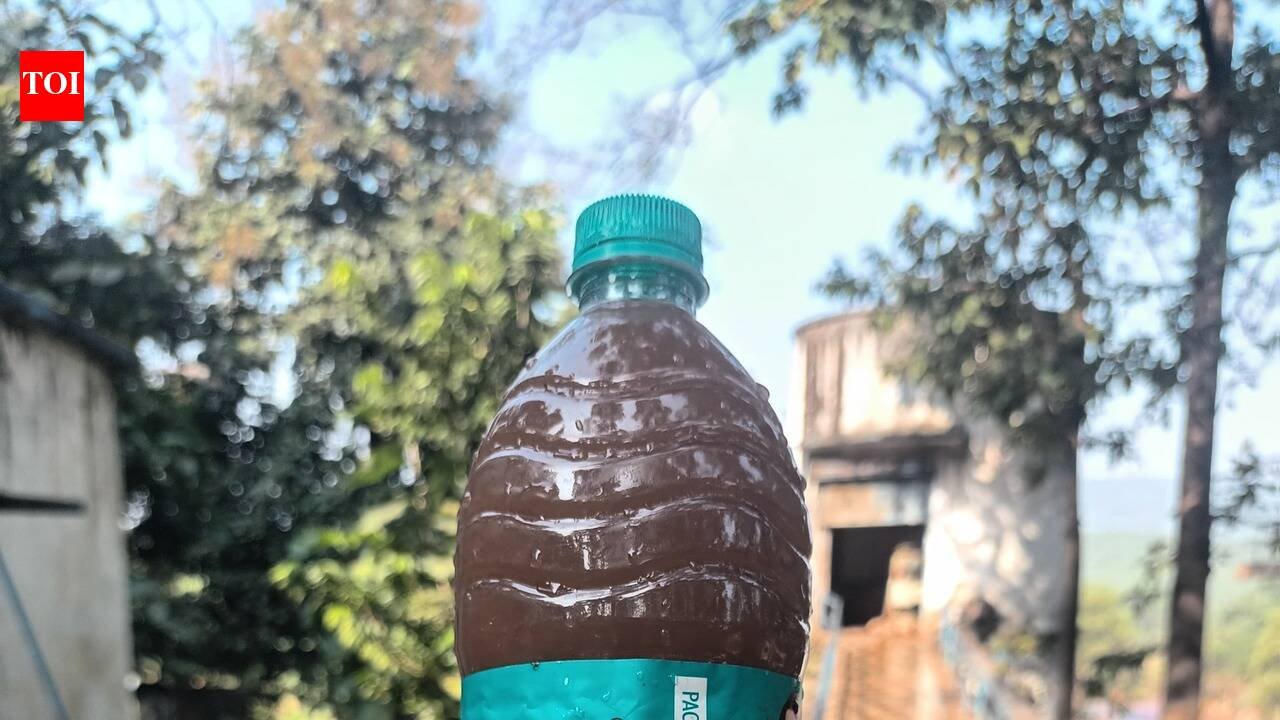
Keonjhar: Fresh concerns over pollution in the Karo river surfaced on Friday after residents reported dark and foul-smelling water flowing through the river near Barbil, allegedly due to the discharge of wastewater from an upstream industrial unit. Acting on information from the water supply department, the Water Corporation of Odisha (Watco), which draws water from the Karo river for Barbil town, collected samples for testing and alerted the State Pollution Control Board’s (SPCB) regional office in Keonjhar as well as the district collector.Apart from Barbil, the river is also a key water source for the Bolani township and several villages along its course. Karo supplies drinking water to around 8,500 households across 15 wards of Barbil and serves nearby areas in both Odisha and Jharkhand.The latest incident is the second such case reported in about a month. A water sample was collected near an intake well close to the Santabahal reserve forest and sent to Watco’s laboratory in Keonjhar. In a letter dated October 16, Watco’s Joda sub-division manager informed the SPCB about the suspected pollution and sought strict action against those responsible.A similar discharge was reported on Sept 30. Following the incident, SPCB officials collected samples from Kendudihi, Landa and Matkambeda on Oct 1 and sent them to the board’s central laboratory in Bhubaneswar for analysis.The Karo river originates in the Koida region of Sundargarh district, flows through Keonjhar and enters Jharkhand before joining the Koel river. Residents allege that industrial effluents from a factory in Koida are being discharged directly into the river, causing discolouration and a foul odour.Environmental activists and local residents warned that repeated pollution incidents pose a threat to people, livestock and wildlife. SPCB’s Keonjhar regional office has forwarded a report to the board’s member secretary. Fresh water samples were collected on Friday.Regional officer Prasant Kar said samples had been collected from multiple locations and a report had been submitted to the Odisha Pollution Control Board headquarters in Bhubaneswar. He added that the SPCB’s Sundargarh regional office had also been informed as the alleged source of pollution falls within its jurisdiction.


