






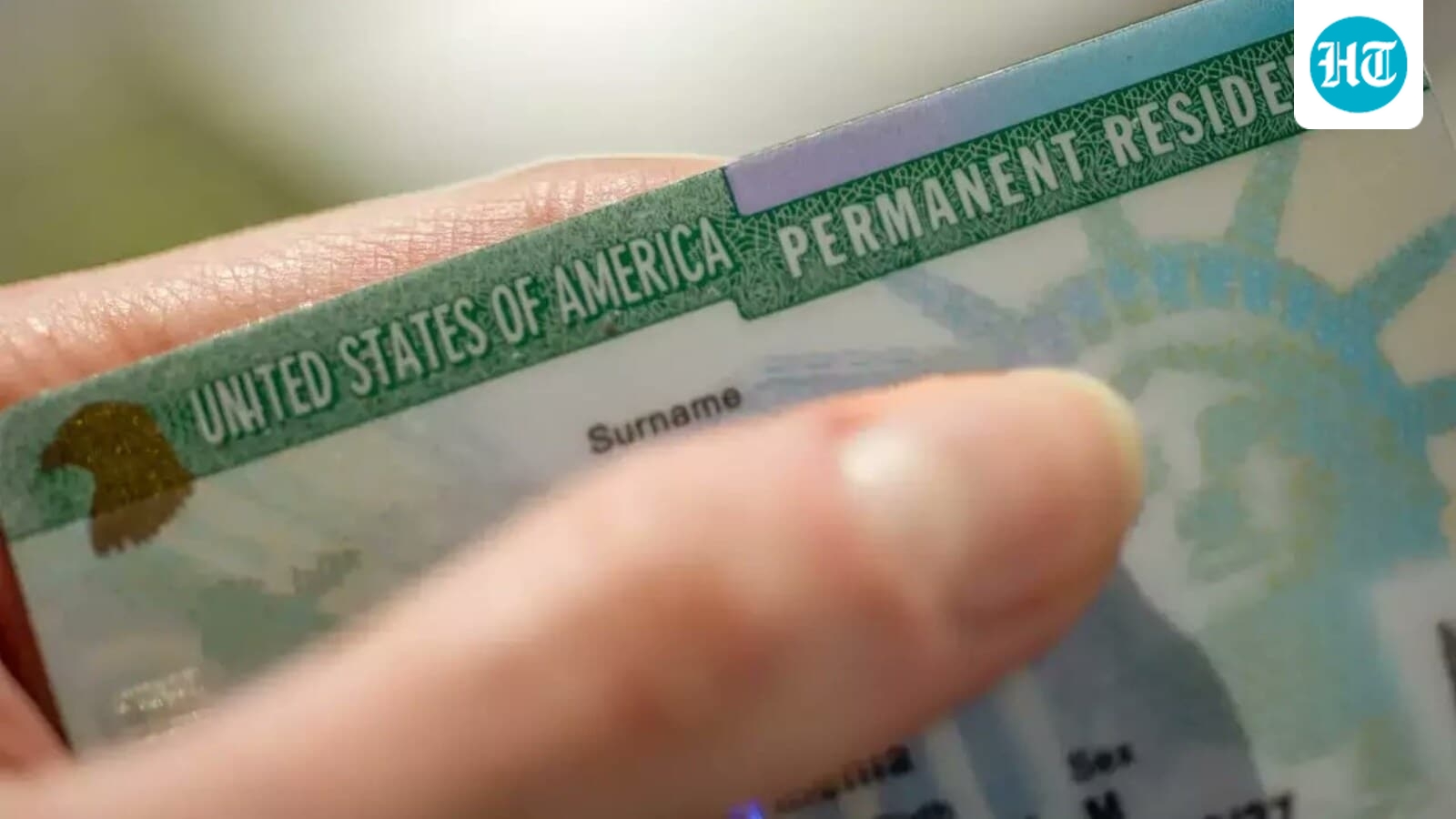
The approval rate for Cuban applicants seeking US permanent residency fell to 23.7% in April–June 2026, down from 52.6% in the previous quarter, as federal immigration authorities denied most of the cases they decided, according to government data.

The US Citizenship and Immigration Services (USCIS) quarterly adjustment-of-status report for fiscal year 2026 shows that the agency approved 139 of the 586 Cuban applications it decided in the third quarter and denied 447. In January–March, USCIS approved 50 and denied 45 of the 95 cases decided.
The figures come as the Trump administration steps up scrutiny of legal immigration applications and expands the discretion available to immigration officers. However, the data do not establish that the administration’s policy changes alone caused the decline.
ALSO READ: Microsoft President warns Trump’s H-1B, green card crackdown could drive tech talent out of US
The approval rate reflects applications that were approved as a share of those approved or denied during the period. It does not represent the proportion of all Cuban applicants who will ultimately receive green cards.
Cuban green card applicants face closer scrutiny
Cuban nationals have a specific pathway to permanent residency under the Cuban Adjustment Act of 1966. Eligible Cuban natives or citizens who have been inspected and admitted or paroled into the US and have been physically present in the country for at least one year may apply for a green card.
Adjustment of status allows eligible applicants already in the US to seek permanent residency without completing the usual immigrant visa process abroad. Applicants must still satisfy the applicable legal requirements, and approval is not automatic.
On May 21, USCIS issued a policy memorandum on adjustment of status and discretion. The agency described adjustment of status as a matter of discretion and “administrative grace”, saying people temporarily present in the US should generally return to their home countries to pursue consular processing, except in extraordinary circumstances.
ALSO READ: US immigration fee hike takes effect today: Who faces higher charges and what it means for Indians
The administration says its approach is intended to strengthen immigration enforcement and restore what it considers the original intent of immigration law.
Cuban applications decided rise sharply
The number of Cuban adjustment-of-status cases decided by USCIS increased from 95 in the second quarter to 586 in the third. At the same time, new applications received fell from 15,312 to 6,279.
The decline in Cuban approval rates was steeper than the changes recorded in other major green card categories. Family-based approval rates fell from 86% to 81.7%, while employment-based rates declined from 93.9% to 93%.
By contrast, asylum-based approval rates rose from 88.1% to 88.9%, and refugee-based rates increased from 66.1% to 69.6%, the USCIS figures show.
Legal challenges target immigration policies
The administration’s adjustment-of-status policy is facing a legal challenge. A lawsuit filed on October 5 in federal court in Massachusetts challenges the May memorandum and a separate August policy allowing officers to deny certain applications lacking required initial evidence without first issuing a Request for Evidence or Notice of Intent to Deny.
The April–June figures predate the August guidance and cannot show its effects. USCIS’s next quarterly report, covering July–September 2026, will offer a further indication of how approval and denial patterns are changing under the administration’s policies.


