


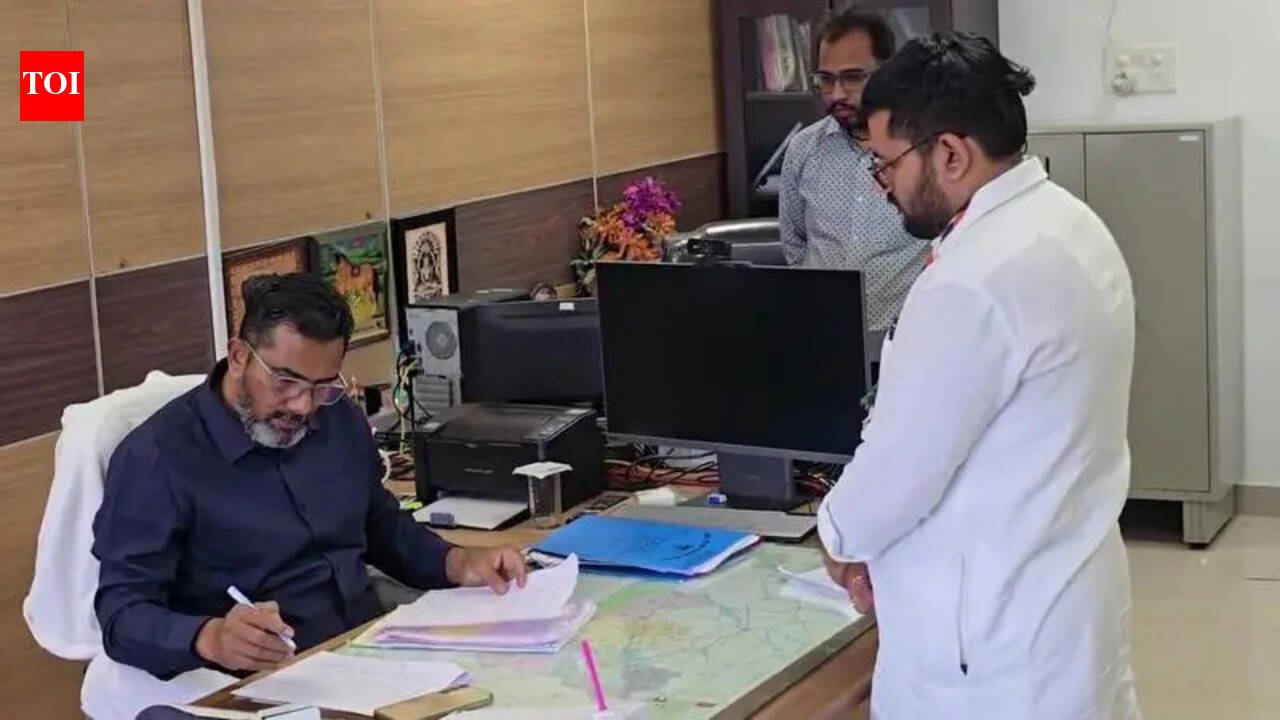
Vadodara/Ahmedabad: A growing number of candidates contesting upcoming civic body elections in Gujarat are turning to crowdfunding to finance their campaigns, marking a notable shift away from traditional, resource-heavy election spending models.After being tested during the 2024 Lok Sabha elections, the model is now finding traction at the grassroots level, with candidates leveraging small public contributions to fund nominations and campaign expenses. The trend reflects an emerging push towards participatory democracy, where voters are not just electors but also financial backers.In Anand, Congress candidate Harshil Dave — popularly known as “Londonwalla”— has adopted a micro-donation approach, urging citizens to contribute Re 1 each towards his campaign. Contesting from Ward No. 13, Dave said he raised around Rs 13,000 from 300-400 contributors, significantly exceeding the Rs 3,000 required for filing his nomination.“The idea is to make elections more democratic and people-driven. When citizens fund campaigns, it reduces dependence on large donors and enhances accountability,” Dave said. A 29-year-old alumnus of the University of Westminster, he had earlier contested civic polls at the age of 24, securing around 500 votes. This time, he is relying on sustained grassroots outreach and civic issue-based engagement over the past six months.Ward No. 13 in Anand, with nearly 23,000 voters, is among the larger constituencies in the city. While officially representing the Congress, Dave noted that crowdfunding was a personal initiative, which he now plans to scale up for broader campaign expenses, potentially reaching Rs 25 lakh. Contributions are being collected digitally via QR codes, with plans to publicly disclose expenditures on social media platforms.A similar approach is being seen in Ahmedabad, where 43-year-old Rakesh Meheria, an All India Majlis-e-Ittehadul Muslimeen (AIMIM) candidate from Maktampur ward, has turned to online crowdfunding to sustain his campaign.With over 15 years of grassroot activism focused on street vendors’ rights and civic issues, Meheria said limited personal income made self-financing an election campaign unfeasible. “When you are involved in social movements, earnings are just enough to run a household. There are no savings left for elections,” he said.Meheria has launched a digital campaign appealing for small public contributions through QR codes and online platforms. According to him, the response has been encouraging, with supporters contributing modest amounts to back his candidacy.A former street vendor, Meheria believes his long-standing engagement with local issues has built trust among residents. “I am hopeful that people who have seen my work will support me — not just with votes, but also by contributing to the campaign,” he added.He had intended to contest the 2021 Ahmedabad Municipal Corporation elections but withdrew due to medical reasons. “This time, I am determined to stay in the fray,” he said.Political observers note that while crowdfunding cannot yet match the scale of traditional campaign financing, it offers an alternative model — particularly for candidates without deep pockets or institutional backing. By relying on numerous small donations, candidates aim to build both financial support and voter engagement simultaneously.
