


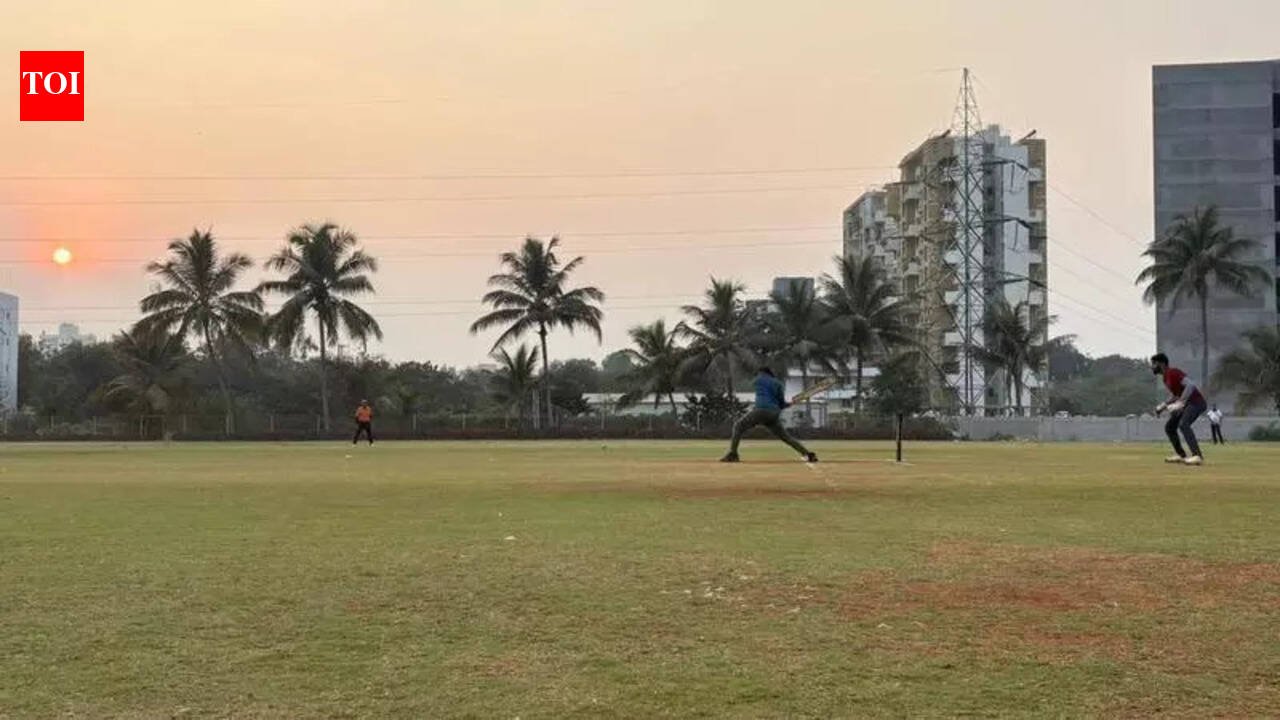
Pune: On the fringes of several cities, where sugar cane once defined livelihoods and the monsoon dictated fortunes, a different sound travels across open fields—the thud of leather on willow, punctuated by appeals and applause. What was once farmland is increasingly being rolled, watered and marked into turf wickets. Cricket, for long India’s most-watched sport, is now becoming one of its most unlikely employment engines.Across Bengaluru, Hyderabad, Delhi-NCR, Gurugram, Ghaziabad, Noida and Pune, privately run cricket grounds are emerging as micro-industries. A single ground today employs scorers, umpires, groundsmen, turf managers, helpers, booking coordinators, coaches, photographers, caterers and event staff. On match days, even vegetable sellers, juice vendors and small traders from nearby villages find customers.Much of the growth is being driven by corporate cricket—weekend tournaments played by working professionals willing to pool money for quality wickets, proper umpires and organised fixtures. What began as a recreational trend has quietly evolved into a parallel sports economy.This activity is increasingly being tracked and organised through digital platforms such as CricHeroes, which connect grounds, organisers, players and officials across cities.When landowners become sports entrepreneursFor farmers with unproductive or low-yield land, cricket has offered an unexpected alternative. Many have either leased their plots or converted them into full-fledged grounds, often hiring four to six local youths to manage daily operations.“Earlier, I earned less than Rs 2 lakh a year growing sugar cane,” Samarth Bodke, a ground owner near Pune, said. “I was hesitant at first because I knew nothing about cricket grounds. But today, our annual income has crossed Rs 10 lakh.”Similar stories are playing out across peri-urban India. Data from CricHeroes, a global cricket scoring and networking platform used by nearly 40 million users worldwide, shows that close to 4,000 cricket grounds are now registered on its platform, offering a snapshot of how widespread private cricket infrastructure has become.Uttar Pradesh and Haryana lead among states, while Bengaluru and Hyderabad top the district charts. Pune, with around 60 registered grounds, is catching up fast, with most venues booked solid through the cricket season from mid-October until the monsoon arrives.Each corporate-facing ground generates between six and 12 direct jobs. During the peak season—from Oct to May—the demand for freelance umpires and scorers spikes sharply, with many working double shifts across venues.From practice nets to paydaysThe impact is felt not just in incomes, but in access to infrastructure. For decades, lack of turf wickets was a major hurdle for aspiring cricketers from modest backgrounds.“Corporate cricket changed that equation,” said Abhishek Sharma, former head coach at a cricket academy run by former India cricketers Irfan and Yusuf Pathan. “The demand for turf wickets rose sharply. Kids who couldn’t afford fees now work on the same grounds—cleaning nets, maintaining boundaries, scoring or umpiring—and pay through work-for-fee arrangements.”Exposure to corporate tournaments has also created visibility. Young players bowl as net bowlers, earn stipends, and in some cases attract sponsorships. Nineteen-year-old Abhi Gunjal from Pune is an aspiring fast bowler, who now umpires corporate matches on weekends.“I was offered Rs 1,000 for my first match,” he said. “Now I earn Rs 3,000–4,000 over a weekend. It helps me buy gear and pay coaching fees. While umpiring, I also learn the game better.”Corporate cricket as lifestyle and labour marketFor corporate players themselves, cricket has become part of a structured lifestyle. Sumit Paul, a former state-level cricketer now working as a software engineer in Pune, plays weekend matches and practises late at night after work.“A weekend match costs us Rs 14,000–Rs 18,000, but it includes the wicket, umpires, scorers and the ball,” he said. “We pool money. It keeps us fit and mentally fresh for work.”This steady demand has boosted ancillary businesses as well. Sales of cricket equipment have risen sharply, particularly tennis-ball bats used in corporate formats. “There has been a surge in demand after Covid,” said Ajay Gupta, a bat manufacturer from Meerut. “Southern India is driving much of this growth.”Night matches have also increased demand for rented generators—equipment earlier associated mainly with weddings.A platform-driven sports economyDigital platforms are stitching this ecosystem together, converting informal cricket-related work into visible and paid opportunities.“Over one lakh individuals, mostly grassroots players, have found employment opportunities through our initiatives,” said Abhishek Desai, founder of CricHeroes. “Corporate cricket has accelerated this ecosystem by creating sustained demand for umpires, scorers, groundsmen and coaches.”Siddharth Desai of CricHeroes said platform data shows that grounds in Tamil Nadu and the Delhi-NCR region currently host the highest number of matches annually, aided by favourable weather conditions.“Some grounds charge Rs 10,000 for a three-hour T20 slot, while full-day bookings go up to Rs 50,000. In tier-2 and tier-3 cities, charges range between Rs 2,000 and Rs 5,000 per match, but volumes are steadily increasing,” he said.The growing scale of corporate participation, industry observers say, is pushing money deeper into cricket’s base.“Corporate cricket pumps money into the sport that flows down to local communities,” Alok Jha, a Mumbai-based business consultant, said. He was earlier associated with an IPL franchise. “It improves village grounds, coaching and creates real opportunities for talented children from remote areas.”Tournament organisers confirm the ripple effect. “We conduct eight weekend tournaments a year,” said Viresh Nyati, a Pune-based organiser. “Aspiring cricketers earn Rs 1,500–1,800 a day. Ground staff get steady work. Nearby villagers sell produce and food. Everyone benefits.”Where cricket meets commerceSome grounds are now booked months in advance. In Kadus village, nearly 45 km from Pune, ground owner Yogesh Dhyabar said demand has surged only in the last couple of years.“We focus heavily on pitch quality and outfield maintenance,” he said. “Teams don’t hesitate to pay when standards are high.”Each ground typically requires at least five acres of land, with boundary dimensions comparable to international standards. Owners say professionalism—rather than proximity to cities—is what sustains demand.As private grounds continue to spread, cricket in India is no longer just about runs and results. Quietly, wicket by wicket, it is building a new pitch economy—one where livelihoods are shaped not by rainfall alone, but by weekend fixtures and rolling schedules.


