



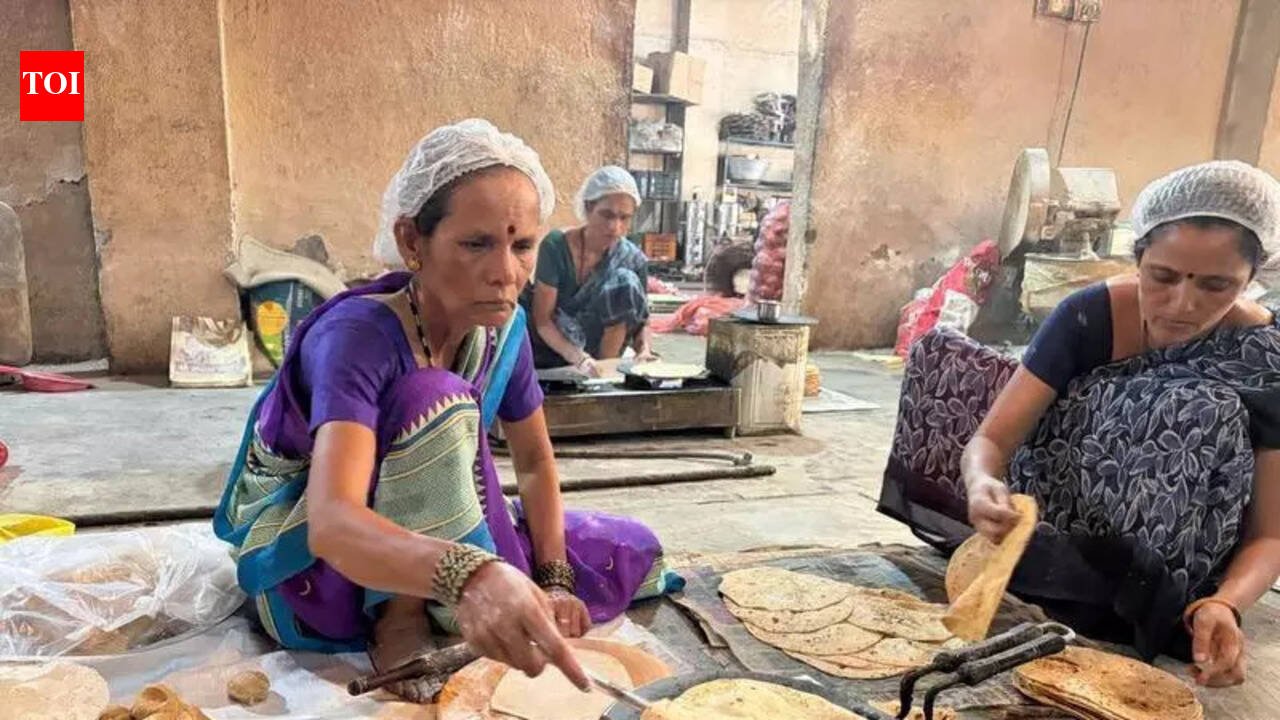
Pune: Chapati (wheat roti) makers in the city have urged the administration to ensure the supply of commercial LPG cylinders to them, saying that the ongoing shortage is severely affecting their ability to supply food to hospitals, IT companies, hostels and educational institutions.Sushant Deshpande, who runs a chapati-making unit in Narhe, said his unit produces around 25,000 chapatis daily and supplies them to several establishments across Pune. He said any disruption in production could impact food supply for nearly 7,000-8,000 people.“We are struggling to continue production of this meal staple due to the shortage of commercial LPG cylinders,” Deshpande told TOI.Deshpande, who also owns a hotel in the city, said he has shifted cooking operations at the hotel to traditional wood-fired stoves so that the available cylinders can be diverted to the chapati-making unit.He added that more than 60 women work at his facility, starting early at 5am to ensure the chapatis are dispatched on time to cafeterias in companies located in Hinjewadi IT Park, private hostels, hospitals and educational institutions.“The situation is such that once we dispatch the morning orders, we spend the rest of the day searching for cylinders to ensure that we have enough stock for the next day. Govt should consider this business as an essential service as disruption in food supply will affect a large number of people, including working professionals and patients,” he said.Another chapati unit operator, Rajendra Gaware from Kothrud, said his unit supplies around 20,000 chapatis daily to schools, hospitals and IT companies. According to him, any disruption to their operations could affect food supply for more than 6,000 people.“We have stopped accepting new orders and are focusing only on fulfilling the daily requirements of our existing customers. Even that has become difficult as we are unsure when our gas stock will run out and whether we will be able to supply chapatis the next day,” he said.Gaware added that the shortage is also affecting livelihoods of several women working at such units. “Many women depend on this work to support their families. The gas vendor who supplies commercial cylinders has told us he does not know when the situation will improve and has temporarily stopped supply,” he said.Responding to suggestions of shifting to alternative fuel, Deshpande said domestic LPG cylinders are not a viable option as they have lower pressure, which slows down chapati production.“We work against strict timelines as chapatis must reach their destinations before lunch and dinner. For instance, vehicles carrying chapatis to Hinjewadi must leave our unit by 9am so they can reach the canteens on time,” he said.Apart from these units, several other small chapati-making operations across the city, including home-based suppliers, have also been affected by the shortage.


