



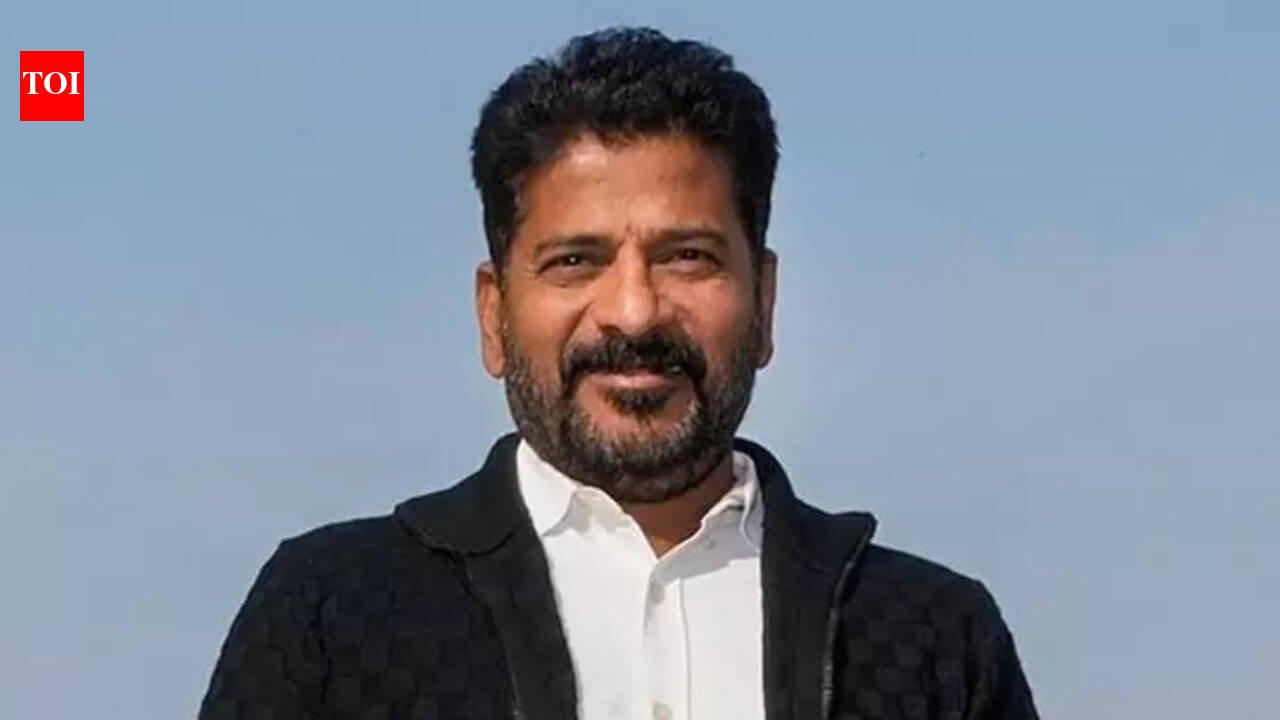
Hyderabad: Chief minister A Revanth Reddy on Saturday directed the commissioners of the three municipal corporations in the core urban area within the ORR to ensure that Greater Hyderabad becomes a clean city. This includes improvements in garbage collection, the use of electric vehicles (EVs) for waste lifting, a special plan for construction debris removal, mosquito control, and management of seasonal diseases.As part of the 99-day plan, the CM held a review with senior officials of the three municipal corporations within the CURE area and made several suggestions to make Hyderabad cleaner.“Steps should be taken to ensure that garbage collection occurs daily within the core urban region. The use of electric vehicles should be encouraged for garbage collection. Each vehicle should be allocated to a specific area and continuously monitored,” he said.In the context of the city’s expansion up to the ORR, the CM instructed officials to prepare the newly identified dumping yards as soon as possible. “Move garbage to nearby dumping yards, corporation-wise, and properly monitor house-to-house collection. Ensure that construction debris is deposited only at designated points and that special arrangements are made for the removal of construction waste,” he said.All measures should be implemented to control mosquito breeding, and proper medical treatment should be available to residents in the event of seasonal diseases.Earlier in the day, CM Revanth directed the Panchayati Raj and Rural Development officials to undertake innovative programmes at six levels. “Firstly, focus on rural sanitation. Then, address drinking water, garbage management, the G Ram G scheme (formerly MNREGA) works, and pre-monsoon preparations.”These special drives aim to strengthen the rural system through good governance. Rural cleanliness programmes will be conducted from March 6 to 15, the village income generation drive from March 16 to 31, drinking water supply from April 1 to 15, garbage removal and management special drives from April 16 to 30, the MNREGA scheme from May 1 to 15, and pre-monsoon preparations from May 16 to 31.Rural cleanliness special drive: Includes cleaning roads, removing sewage, cleaning schools, Anganwadis, markets, hostels, and bus stands; clearing bushes on roadsides and vacant lots; sealing unused wells; spraying bleaching powder and lime; cleaning overhead water tanks; and preparing plans for the required personnel and equipment. Expenses will be borne by the Gram Panchayat General Fund, utilising both State and Central financial resources.Drinking water supply: Identify issues in the drinking water network, restore full functionality, take preventive measures, and utilise Gram Panchayat and 15th Finance Commission funds. Purchase necessary equipment by 27 March and complete works such as repairing hand pumps, single-phase and three-phase motor pumps, overhead tanks, and providing drinking water connections to new houses. These works should be coordinated with the municipal department at the Gram Panchayat level.Garbage collection and management: Implement separate collection of wet and dry waste from every household, prepare compost in every Gram Panchayat, conduct training programmes on waste management, and ensure safe collection and disposal of e-waste, biomedical waste, and sanitary waste. Complete individual toilets and community sanitary complexes, establish plastic waste management units, and construct community soak pits.Preparation for the rainy season: Unclog stormwater drains, fill low-lying areas with soil, spray pesticides for mosquito control, conduct fogging on dry days, plant and dig holes through the NREGA scheme, identify planting sites and select appropriate plants, maintain roads and buildings, repair rural roads, carry out defect liability maintenance, clean BT roads, restore kilometre stones, information boards, and signboards, maintain buildings, repair roof cracks, clean terraces, and paint buildings.


