


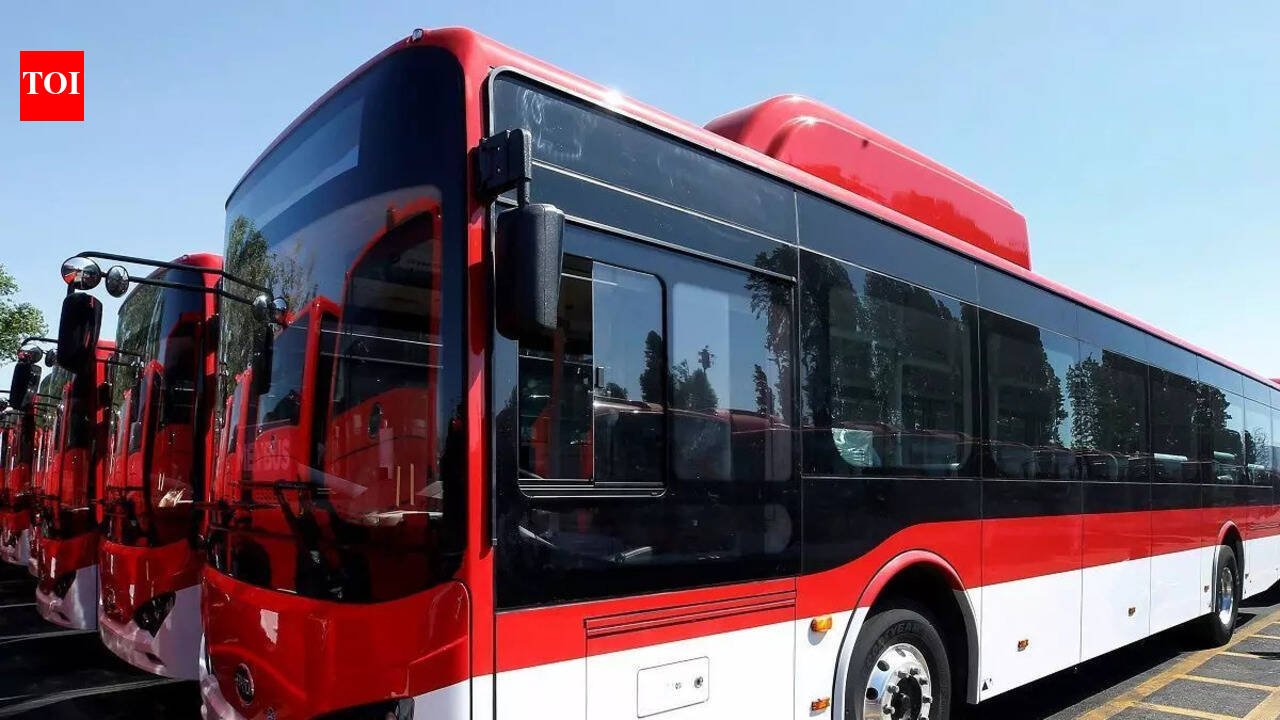
Guwahati: PM Narendra Modi’s appeal to citizens to conserve foreign exchange by cutting imported fuel use through public transport and carpooling has found support in Guwahati, but residents say the city’s buses largely vanish after 7pm, making the call hard to follow.Guwahati, the biggest city in the northeast, has seen major govt push on infrastructure in recent years, yet getting a city bus late in the evening remains uncertain for commuters. A total of 271 e-buses and 100 CNG buses, besides over 300 privately owned city buses, ply on Guwahati roads daily, but services thin out gradually from around 7pm.Residents urged the new state govt, to be formed on Tuesday, to ensure public transport availability at least till midnight, particularly for office-goers and night-shift workers.Modi’s appeal comes as crude oil prices trade above $100 a barrel amid the West Asia crisis and a continuing deadlock in the Strait of Hormuz. Crude had touched a 52-week high of $126 a barrel at the end of last month.Babita Begum Choudhury, a research scholar at Assam Down Town University, said, “The PM’s call for citizens to use public transport instead of personal vehicles to conserve fuel is a commendable, eco-friendly and responsible step. However, in Guwahati, inadequate public transport makes this appeal difficult to follow.”She said the city still lacks a metro rail system and buses are largely unavailable during late evening hours. “Employees working night shifts, particularly women, are often forced to travel under unsafe and inconvenient conditions. The govt must ensure sufficient, reliable and accessible public transport, including night bus services, to safeguard the safety, comfort and welfare of citizens,” she added.Nisha Baruah, a private school teacher from Satgaon, said metro services are needed as Guwahati is expanding rapidly with rising migration from across Assam and other northeastern states.“Till the metro services begin in Guwahati, govt must ensure proper city bus services across the city at least till midnight so that the people, who leave office late in the evening hours, and the people, who go out to hang out in the evening hours, can return without any headache of getting a bus,” she added.Baruah said app-based cabs remain available late but at higher fares that many cannot afford. “Those in the less-affluent category find it difficult to return home after work and elsewhere after 8-9 pm,” she added.
